
Loose-Leash Walking: How to Stop Pulling Without Punishment
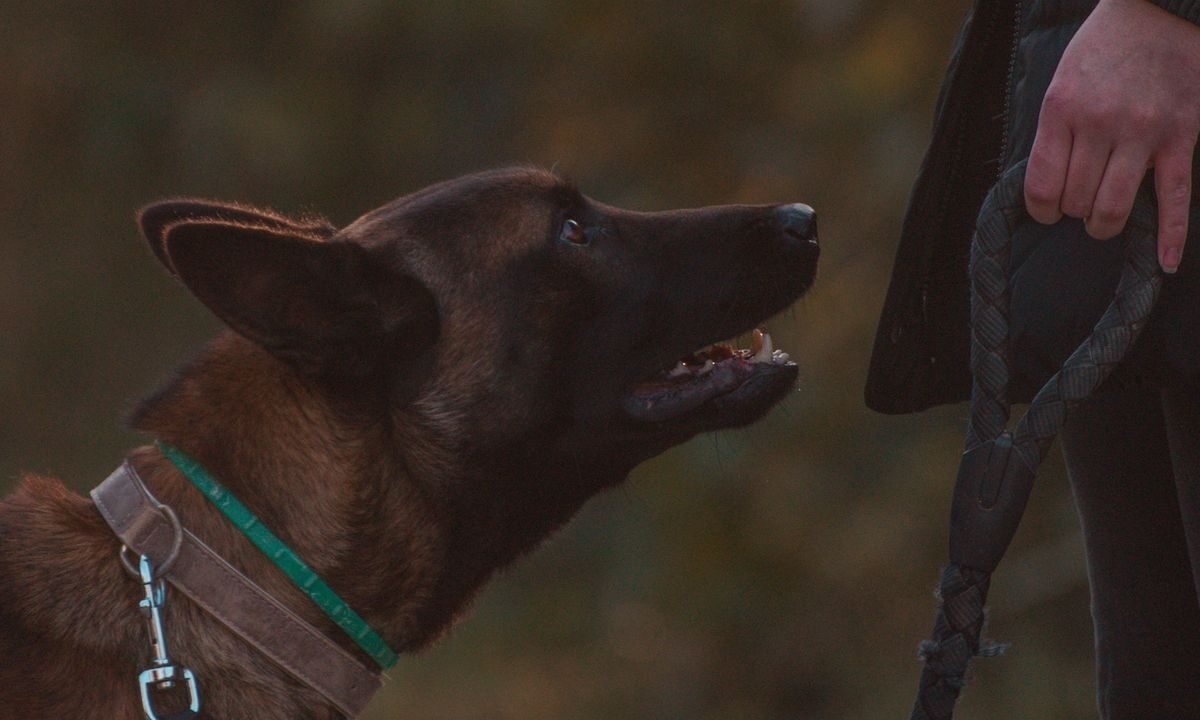
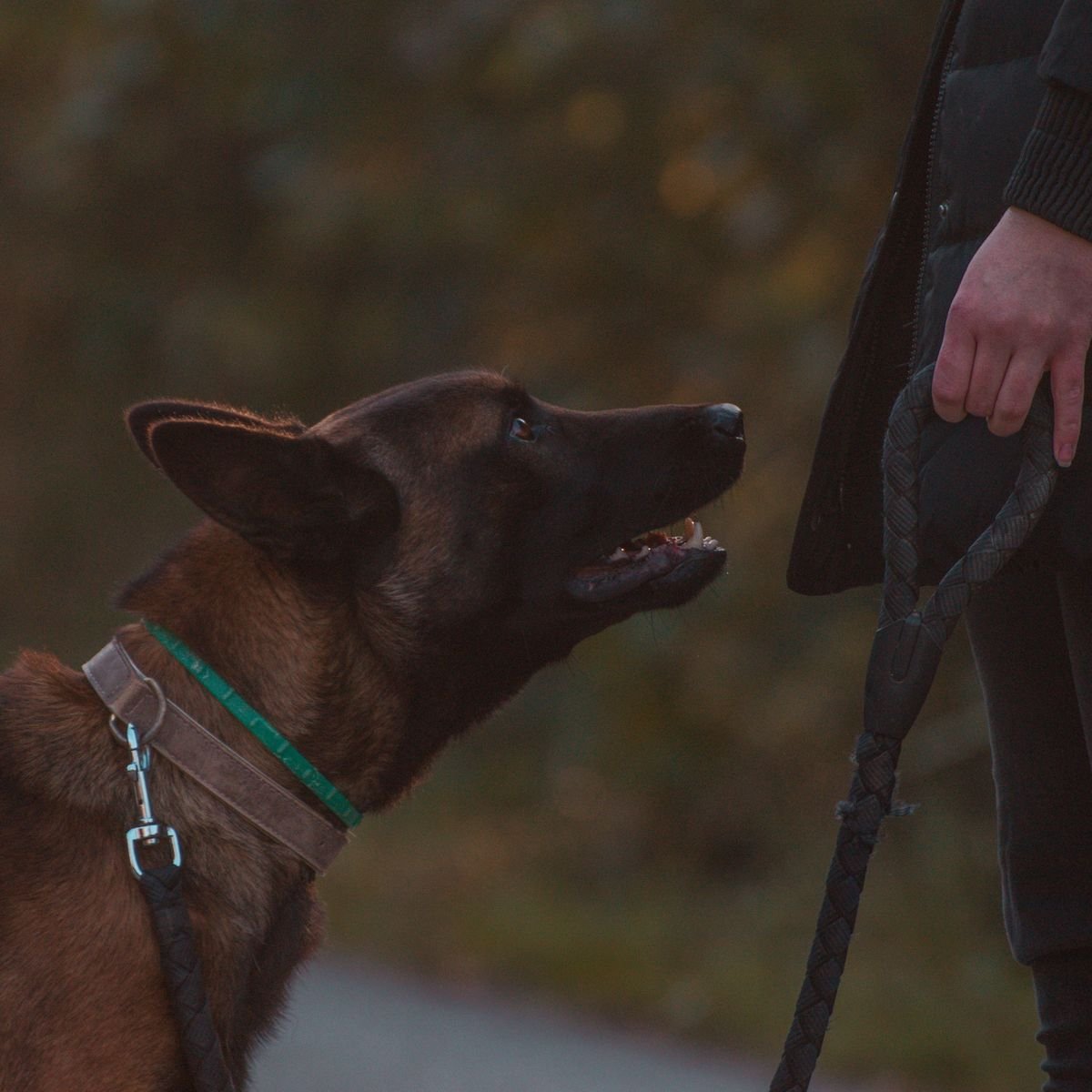
Leash pulling is one of the most common everyday frustrations for dog owners, but it is not usually a sign that a dog is trying to dominate the walk. Dogs pull because moving forward is rewarding. If pulling gets them to smells, people, grass, or another dog, the behavior can become very persistent.
The good news is that loose-leash walking can be taught without leash jerks, choke chains, prong collars, or punishment. The goal is to make staying near you more rewarding and more successful than dragging you forward.
Start by changing what pulling achieves
If a tight leash always leads to the destination, pulling keeps working. Instead, teach your dog that forward movement happens most reliably when the leash is loose.
When the leash tightens, slow down or stop. The moment your dog turns back, softens the leash, or moves toward you, mark and reward, then continue.
Reward the position you want
Do not wait for perfect heelwork. Reward your dog for choosing to stay within a comfortable radius beside you. At first, that may mean frequent treats every few steps.
Deliver rewards where you want the dog to be—usually near your leg—rather than reaching forward and accidentally paying the dog for forging ahead.
Use a simple marker
A word such as “yes” or a clicker can tell your dog the exact moment they made the right choice. Mark when the leash goes slack, when the dog checks in with you, or when they pass a distraction calmly.
Our positive reinforcement training guide explains how markers and rewards can make learning clearer.
Practice where your dog can succeed
A crowded street may be too difficult at first. Begin in a quiet room, driveway, garden, or calm sidewalk. Build the skill before expecting it around squirrels, dogs, traffic, or busy shops.
If your dog cannot take food, cannot look at you, or is lunging toward every distraction, the environment is probably too hard for productive training.
Let sniffing become part of the reward
Dogs need to sniff. You do not have to choose between a controlled walk and an enriching walk. Ask for a few loose-leash steps, then release your dog to sniff a safe area.
This teaches that calm walking can lead to access to the environment, not just treats.
What equipment helps?
A comfortable, well-fitted harness can make walks easier to manage while training. A front-attachment harness may reduce pulling leverage for some dogs, but equipment does not teach the skill by itself.
AVSAB’s current position is that reward-based methods should be used for dog training and that aversive methods should not be used. See the AVSAB humane dog training guidance.
What to do when your dog suddenly pulls
Avoid turning the walk into a tug-of-war. Stop or change direction calmly. When the leash softens, reward and move again. If your dog is repeatedly surging toward one trigger, create more distance and work at a level where the dog can think.
Do not expect one walking style for the whole outing
A practical walk can include several modes: close walking near traffic, relaxed loose-leash walking on a path, and sniff breaks in safe areas. Clear cues help the dog understand what is expected.
Why punishment can backfire
Leash corrections may suppress pulling in the moment, but they do not necessarily teach the dog what to do instead. If corrections happen when another dog, child, bicycle, or person appears, the dog may also begin associating those triggers with discomfort.
A practical two-week training plan
For the first few days, practice five-minute sessions in a quiet area and reward frequently. Once your dog can walk several steps with a loose leash, add slightly more distracting locations. If success falls apart, make the environment easier again rather than assuming the dog is being stubborn.
Short practice attached to normal walks works well: train for a minute, release for sniffing, then train again. This keeps the walk useful for both exercise and learning.
What if your dog pulls toward other dogs or people?
Create more distance before the leash is fully tight. Reward your dog for noticing the trigger and then checking back with you. If your dog is barking, lunging, freezing, or unable to take food, loose-leash mechanics are no longer the main issue; the dog may be over threshold and need a separate behavior plan.
Common mistakes that slow progress
- Only practicing in the hardest environment
- Rewarding too rarely in early training
- Allowing pulling to work sometimes but not others
- Using a leash that is too short for relaxed walking
- Expecting a young or highly stimulated dog to heel for an entire walk
Consistency matters more than perfection. A dog can learn that different contexts have different rules as long as the cues and consequences are predictable.
The bottom line
Loose-leash walking improves when owners reward the behavior they want, prevent pulling from being the fastest route to every reward, and practice at a difficulty the dog can handle. Consistency matters more than force.
This article is for general pet-owner education. Dogs with severe fear, aggression, or reactivity may need individualized help from a qualified reward-based professional.
0 comments