
Dog Pancreatitis: Symptoms, Risk Factors, Treatment and Recovery

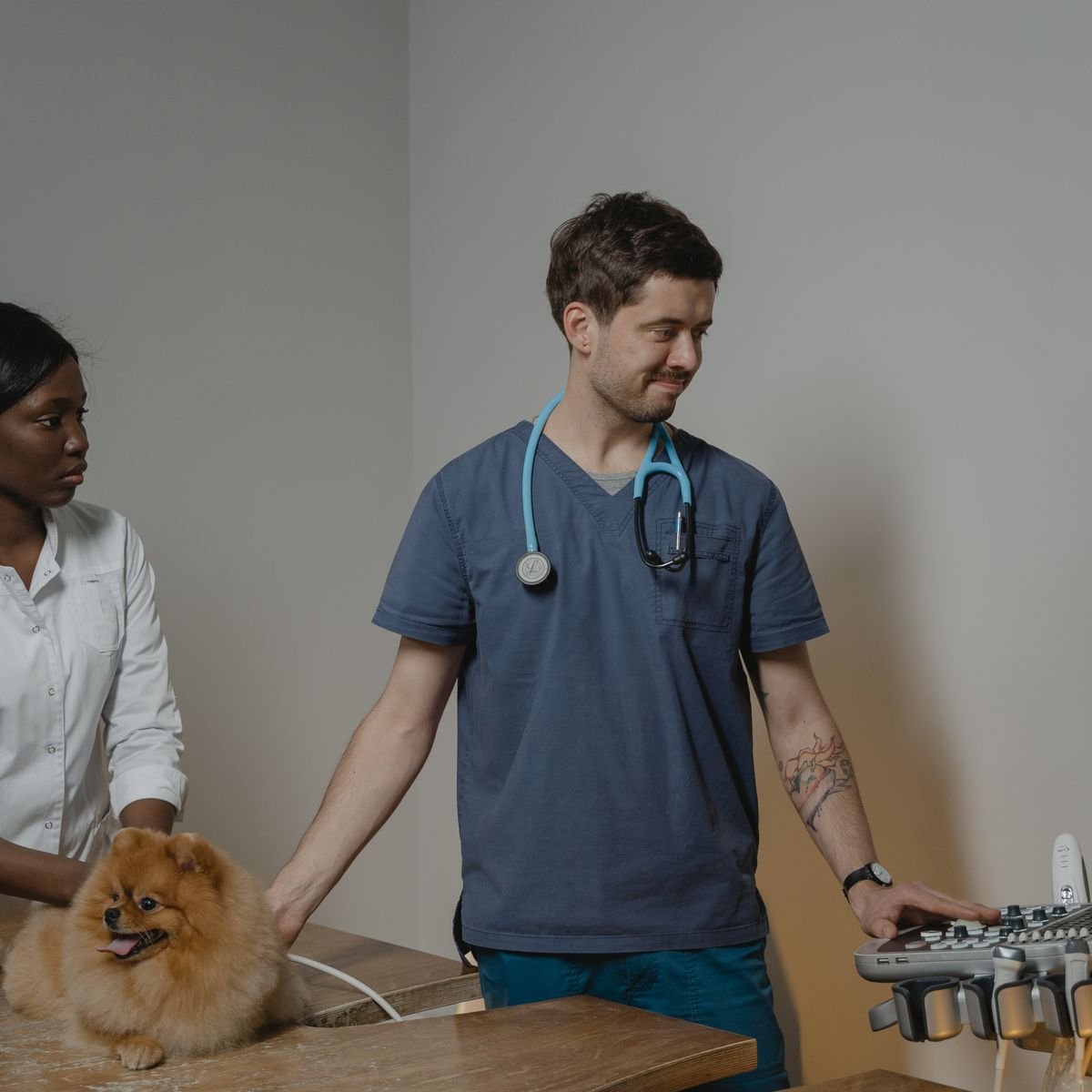
Pancreatitis is inflammation of the pancreas, an organ that helps with digestion and blood-sugar regulation. In dogs, it can range from mild illness to severe disease requiring hospitalization. The difficulty for owners is that the early signs can look like many other stomach problems.
Vomiting, loss of appetite, abdominal pain, lethargy, and diarrhea are common reasons dogs with pancreatitis end up at the vet. If your dog is repeatedly vomiting or clearly painful, this is not a condition to diagnose or treat at home.
What the pancreas does
The pancreas produces digestive enzymes and hormones. Normally, digestive enzymes become active after they reach the intestine. With pancreatitis, digestive enzymes and inflammatory processes can begin damaging pancreatic and surrounding tissues.
Common symptoms of pancreatitis in dogs
Signs vary depending on severity. According to VCA Animal Hospitals, dogs may show vomiting, abdominal pain, decreased appetite, lethargy, dehydration, and diarrhea.
- Repeated vomiting
- Loss of appetite or refusing food
- Lethargy or weakness
- Abdominal pain or guarding the belly
- Diarrhea
- Dehydration
- Fever in some dogs
- A hunched posture or “prayer position” in some painful dogs
None of these signs proves pancreatitis. They overlap with intestinal obstruction, toxin exposure, infection, gastroenteritis, kidney disease, and other conditions.
What can trigger pancreatitis?
Sometimes no clear trigger is found. In other cases, a high-fat meal, dietary indiscretion, obesity, certain medications, metabolic disease, or other health conditions may contribute.
Owners often hear that a single fatty meal “caused” pancreatitis. That can happen, but the full picture is more complicated. Some dogs develop pancreatitis without any obvious dietary event.
Why holiday leftovers are risky
Rich table scraps can expose a dog to far more fat than they normally eat. Fatty meat trimmings, gravy, skin, fried food, and discarded leftovers may trigger gastrointestinal upset and can be associated with pancreatitis in susceptible dogs.
This is one reason sudden access to garbage or a holiday table should be taken seriously if vomiting and abdominal pain follow.
How veterinarians diagnose pancreatitis
There is no single test that answers every case perfectly. A veterinarian may combine history, physical examination, bloodwork, pancreas-specific laboratory testing, and abdominal ultrasound.
VCA notes that some dogs—especially those with chronic pancreatitis—can have test results that do not provide a perfectly clear answer, so diagnosis may sometimes be based on the overall clinical picture.
Treatment usually focuses on supportive care
Mild cases may be managed with medication for nausea and pain, hydration support, and a carefully chosen diet. More severe cases may need hospitalization, intravenous fluids, injectable medications, electrolyte monitoring, and close observation.
Current veterinary care generally aims to control nausea and pain and reintroduce appropriate nutrition rather than unnecessarily starving the patient for long periods.
What should a dog eat during recovery?
Your veterinarian may recommend a highly digestible, lower-fat diet depending on the dog’s condition and medical history. The goal is not simply to find the lowest-fat food possible; the diet still needs to be complete, appropriate for the dog, and tolerated well.
Do not make abrupt long-term diet changes or start homemade “pancreatitis diets” without veterinary guidance, especially if your dog has other medical conditions.
Can pancreatitis come back?
Yes. Some dogs have recurrent or chronic pancreatitis. If your dog has had an episode before, ask your veterinarian what long-term changes make sense for that individual dog. This may include weight management, avoiding high-fat treats and table scraps, managing underlying disease, and feeding a consistent diet.
When vomiting becomes urgent
Repeated vomiting, inability to keep water down, marked lethargy, abdominal pain, collapse, or blood in vomit or stool deserve prompt veterinary attention. Our dog vomiting guide explains what owners should record, while our dog diarrhea guide covers stool changes and dehydration risk.
What to record for your vet
Write down when the signs started, what your dog ate during the previous day or two, any access to fatty food or garbage, medications and supplements, vomiting frequency, stool changes, and whether your dog is drinking and urinating normally.
What recovery at home may look like
Once a dog is stable enough to go home, follow the feeding, medication, and activity instructions exactly. Offer only the prescribed or recommended food and avoid “just one” rich treat while the pancreas is recovering. Watch appetite, water intake, stool, vomiting, comfort, and energy.
When recovery is not going as expected
Contact your veterinarian if vomiting returns, your dog refuses food, abdominal pain increases, diarrhea becomes severe, or your dog seems weak or dehydrated. A dog that was improving and then suddenly deteriorates deserves reassessment.
Preventing another episode
For dogs with recurrent pancreatitis, consistency matters. Keep body condition healthy, avoid high-fat table scraps, review medications and underlying diseases with your veterinarian, and resist frequent diet changes unless there is a clear reason.
Pancreatitis can look like other illnesses
Vomiting, abdominal discomfort and poor appetite can also occur with intestinal obstruction, dietary indiscretion, liver disease, kidney disease and several other problems. That overlap is why diagnosis usually requires more than symptoms alone.
Blood tests are interpreted with the whole clinical picture
Veterinarians may use pancreatic lipase testing alongside examination findings, routine bloodwork and imaging. No single value should be interpreted without context because severity and treatment needs depend on the individual dog.
Pain control is part of treatment
Pancreatitis can be painful even when a dog is not crying. Reluctance to move, a tense abdomen, repeated stretching or a hunched posture can all be clues. Veterinary treatment commonly includes pain management as well as fluids and anti-nausea support when indicated.
Feeding plans should be individualized
Older advice sometimes suggested prolonged fasting, but current treatment often favors appropriate nutrition once vomiting is controlled. The exact diet and timing depend on the dog’s condition and should be directed by the veterinary team.
High-fat food is a risk factor, not the only cause
Some episodes follow rich food or table scraps, while others occur without an obvious dietary trigger. Certain diseases, medications, obesity and individual susceptibility can also contribute.
Monitor recovery beyond the first good meal
A dog may eat once and still be unwell. Track vomiting, stool, comfort, energy and hydration over the following days and follow recheck instructions, especially after a severe episode.
Keep rich treats out of recovery
Even when the dog seems brighter, avoid fatty leftovers and table scraps unless your veterinarian specifically says they are appropriate. A consistent recovery diet is easier on the digestive system and makes setbacks easier to interpret.
Weight management can reduce future risk
If the dog is overweight, discuss a gradual plan after recovery. Rapid diet changes during an acute episode are not the time to improvise a weight-loss program.
Ask whether follow-up testing is needed
Severe or recurrent cases may need repeat bloodwork or imaging. Follow the recheck plan even if the dog looks normal at home, because some complications are not obvious from behavior alone.
The bottom line
Pancreatitis is not something owners can confirm by symptoms alone. If vomiting, appetite loss, abdominal pain, or lethargy persist, veterinary examination is the safest next step. Early supportive care can make a meaningful difference, particularly in dogs that are dehydrated or very painful.
This article is for general pet-owner education and is not a substitute for diagnosis or treatment by a veterinarian.



0 comments