
Bloat in Dogs (GDV): Early Warning Signs and Why It Is an Emergency
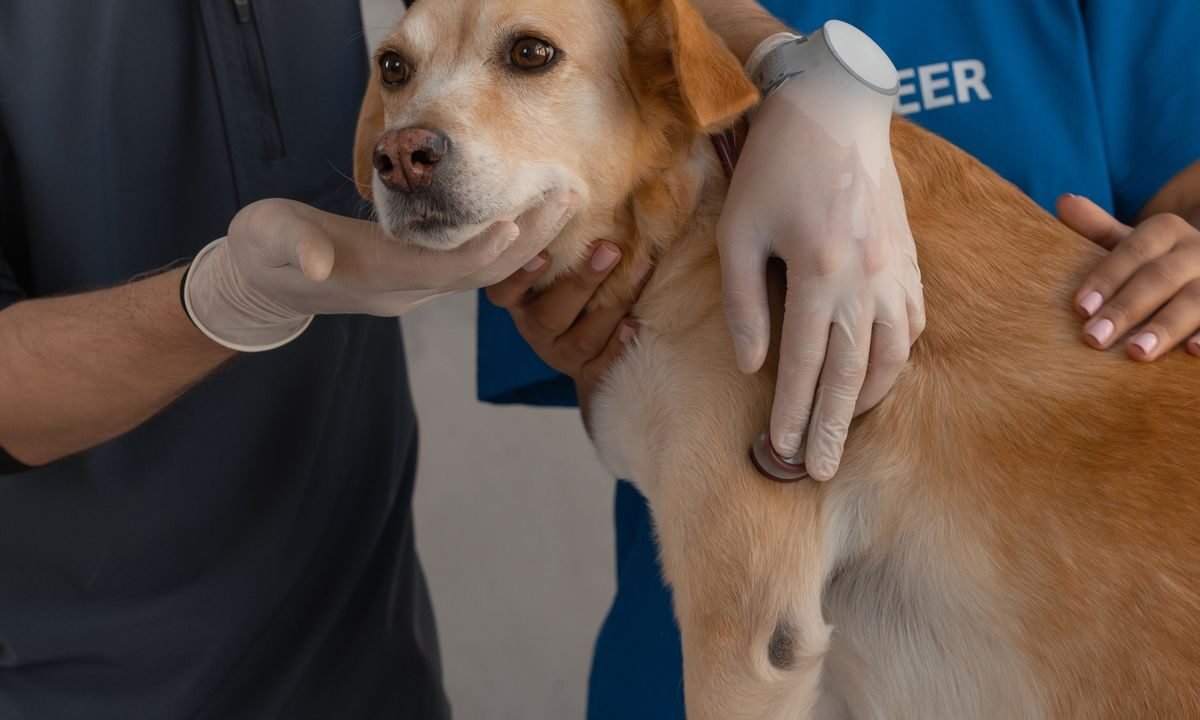
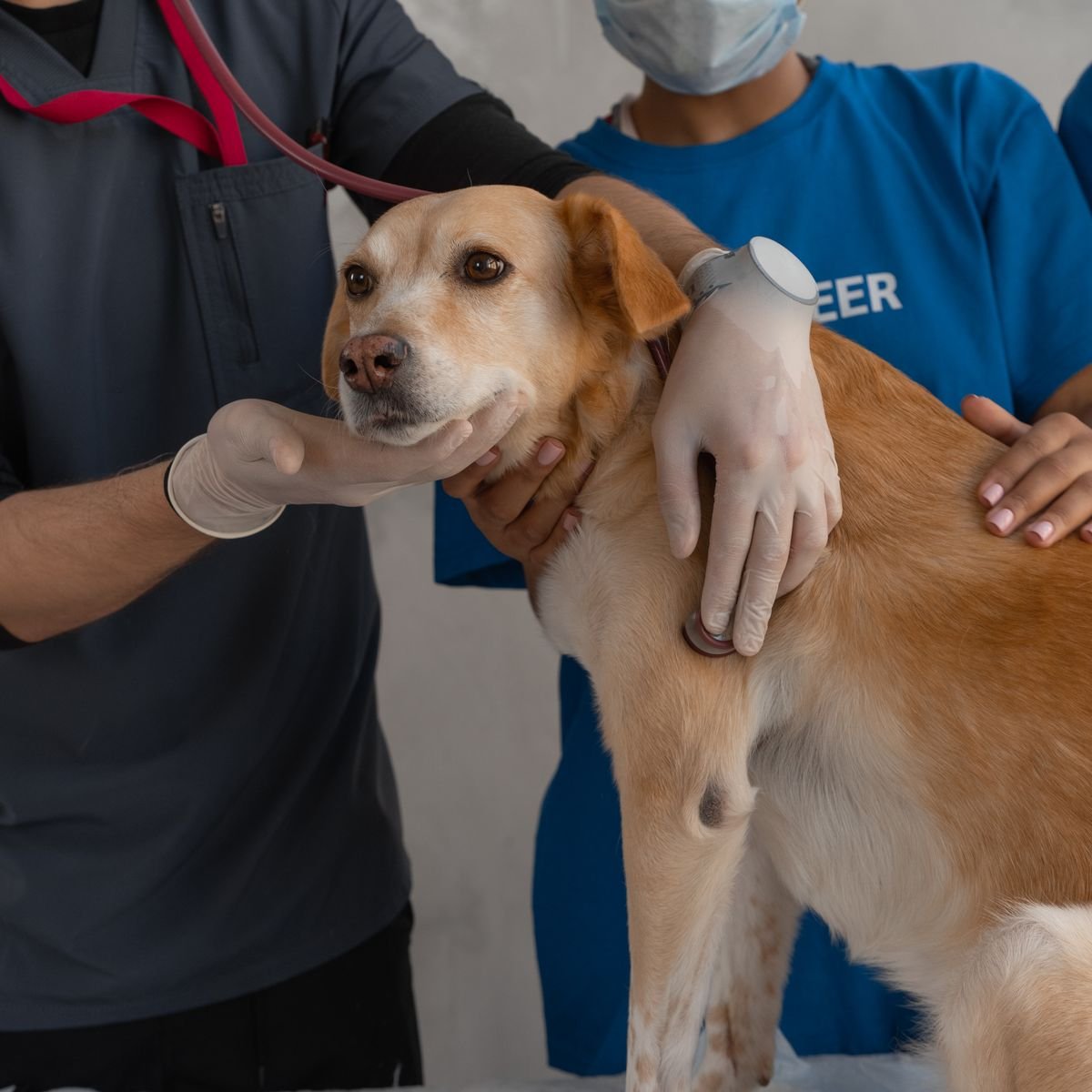
Bloat in dogs can mean simple stomach distension, but owners often use the word to describe gastric dilatation-volvulus (GDV), a much more dangerous condition in which the stomach expands and twists. GDV is a life-threatening emergency. The safest response is not to wait for the abdomen to become dramatically swollen or for your dog to collapse.
The early signs can look vague: restlessness, drooling, repeated attempts to vomit, discomfort, or a dog that cannot settle. Knowing that pattern matters because treatment works best when the problem is recognized quickly.
What actually happens during GDV
In GDV, the stomach fills with gas, fluid, or food and then rotates. That rotation can block the normal entrance and exit of the stomach. As the stomach enlarges, it can compress major blood vessels and reduce blood returning to the heart. The twisted tissues may also lose their blood supply.
The Merck Veterinary Manual describes GDV as an acute, life-threatening condition that requires immediate medical and surgical intervention.
Early warning signs owners should know
Not every dog shows every sign. Some deteriorate quickly, while others begin with restlessness and repeated retching.
- Repeated attempts to vomit with little or nothing coming up
- Drooling or excessive saliva
- Pacing, restlessness, or inability to get comfortable
- A visibly enlarged or tight abdomen
- Abdominal pain or looking back at the belly
- Rapid breathing or panting
- Weakness, pale gums, or collapse
- Sudden severe distress after eating
A swollen abdomen is important, but do not wait for it. Some deep-chested dogs can have serious stomach enlargement before the belly looks obviously distended from the outside.
Repeated dry heaving is a major red flag
One of the most recognizable warning signs is repeated unproductive retching: the dog keeps trying to vomit but brings up little or nothing. This can happen because the stomach has twisted and its contents cannot move normally.
If dry heaving is accompanied by restlessness, drooling, abdominal enlargement, weakness, or pain, treat it as an emergency.
Which dogs are at higher risk?
GDV can occur in many dogs, but risk is higher in large and giant breeds with deep, narrow chests. Merck lists breeds such as Great Danes, German Shepherd Dogs, Irish Setters, Weimaraners, Saint Bernards, Standard Poodles, Basset Hounds, and Gordon Setters among those commonly affected.
Risk also appears to rise with age. A close family history matters too: dogs with a parent, sibling, or offspring that has had GDV are at increased risk.
Can eating too fast cause bloat?
Rapid eating is considered one possible risk factor, but GDV is not caused by one simple behavior. Other factors that have been associated with risk include large meals, once-daily feeding, stress, body conformation, age, and family history.
That means an owner should not assume a slow-feeder bowl completely prevents GDV. It may help some dogs eat more calmly, but it cannot remove inherited or anatomical risk.
What to do if you suspect GDV
Go to an emergency veterinary hospital immediately. Call while you are leaving if possible so the team knows you are coming.
Do not wait for your regular appointment time. Do not try to make the dog vomit. Do not give food, large amounts of water, antacids, gas remedies, or pain medication in an attempt to treat the problem at home.
If your dog is weak, move them carefully and keep the trip as calm and direct as possible.
How veterinarians diagnose GDV
Veterinarians use the dog’s history and physical examination, then usually take abdominal radiographs to distinguish simple stomach dilation from a twisted stomach. Blood tests, blood pressure measurement, ECG monitoring, and other assessments may also be needed because GDV can affect circulation, heart rhythm, electrolytes, and organ function.
How GDV is treated
Treatment usually begins with stabilization: intravenous fluids, pain relief, oxygen or other support as needed, and decompression of the stomach. Surgery is then performed to untwist the stomach and assess whether any stomach or spleen tissue has been damaged.
A gastropexy is usually performed during surgery. This attaches the stomach to the abdominal wall to reduce the risk of future twisting.
Preventive gastropexy for high-risk dogs
Owners of high-risk breeds may want to discuss preventive gastropexy with their veterinarian before an emergency ever happens. In some dogs, it can be performed at the same time as spay or neuter surgery or through minimally invasive techniques.
Preventive gastropexy does not stop the stomach from filling with gas, but it greatly reduces the chance that it will twist into GDV.
Bloat vs ordinary stomach upset
A dog that vomits once but remains bright and comfortable is very different from a dog that repeatedly retches, drools, paces, and develops abdominal pain. Our dog vomiting guide explains the broader vomiting warning signs owners should record and discuss with a veterinarian.
Do not wait for a visibly huge abdomen
Some dogs with GDV do not develop dramatic distension early, especially deep-chested dogs where much of the stomach sits under the rib cage. Repeated unproductive retching and sudden distress can be enough to justify emergency evaluation.
Restlessness is often an early clue
A dog may repeatedly stand up, lie down, pace or look at the abdomen because getting comfortable is difficult. When that behavior appears suddenly with drooling or retching, treat it seriously.
Shock can develop quickly
As the stomach expands and twists, blood return to the heart can fall and tissues can lose circulation. Pale gums, weakness, rapid breathing and collapse are late warning signs and make immediate transport even more urgent.
Home remedies waste valuable time
Walking the dog, massaging the abdomen, giving gas remedies or trying to induce vomiting cannot untwist the stomach. If GDV is suspected, the safest action is to leave for emergency care while calling ahead.
Ask about preventive gastropexy before an emergency
Owners of high-risk breeds can discuss prophylactic gastropexy during routine planning. It is easier to consider the benefits, cost and timing calmly before a crisis than during emergency surgery.
Recovery after surgery still needs close monitoring
Dogs recovering from GDV may need monitoring for arrhythmias, tissue damage, pain and feeding tolerance. Follow discharge instructions closely and return promptly if weakness, vomiting, abdominal enlargement or collapse recur.
Know the nearest emergency hospital before you need it
For high-risk dogs, save the route and phone number of the nearest 24-hour clinic. GDV is not the kind of problem where you want to spend twenty minutes searching after symptoms begin.
Meal timing and exercise advice should be individualized
Owners often hear conflicting rules about meals and activity. Ask your veterinarian which risk-reduction steps make sense for your dog’s breed, age and history rather than relying on one universal schedule.
A previous GDV episode changes future planning
Dogs treated surgically are usually gastropexied, but they may still develop stomach dilation or other complications. Follow long-term veterinary advice and know which recurrent signs still require emergency care.
The bottom line
GDV is one of the emergencies where waiting for certainty can cost valuable time. Repeated dry heaving, restlessness, abdominal enlargement, drooling, weakness, or collapse—especially in a large, deep-chested dog—should trigger an immediate trip to emergency veterinary care.
This article is for general pet-owner education and is not a substitute for diagnosis or treatment by a veterinarian.


0 comments