
Pit Bull Food Guide: Calories, Muscle, Weight and What to Feed
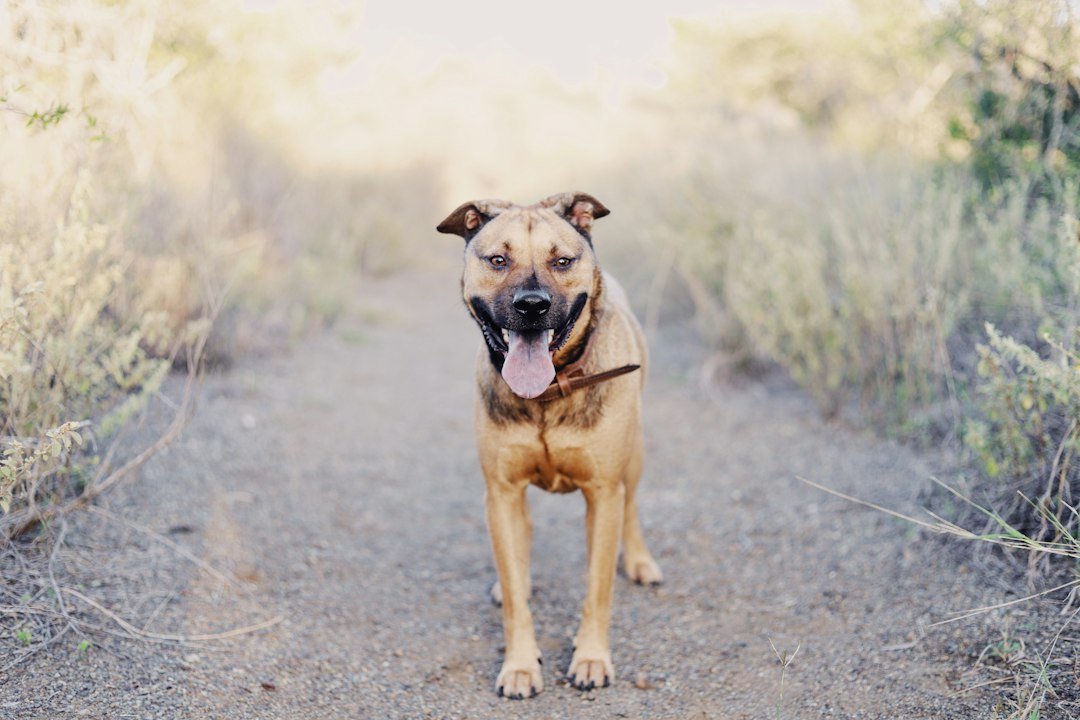
Pit Bull-type dogs do not need a mysterious “breed-specific” diet. They need the same fundamentals that matter for other dogs: a complete and balanced food for the correct life stage, enough calories to support the individual dog’s activity, adequate protein, appropriate fat, fresh water, and portion control that keeps body condition healthy.
The important part is the individual dog. “Pit Bull” is commonly used for several related or visually similar dogs, including American Pit Bull Terriers, American Staffordshire Terriers, Staffordshire Bull Terriers and mixed-breed dogs with similar builds. Adult size, metabolism and activity can therefore vary considerably.
Start with complete and balanced nutrition
The first check should be the nutritional adequacy statement, not the front-of-bag marketing. The Association of American Feed Control Officials (AAFCO) advises choosing food for the dog’s species, life stage and condition. A complete-and-balanced adult maintenance diet is appropriate for many healthy adult dogs, while puppies require growth nutrition.
Words such as “high protein,” “natural,” “premium,” “ancestral” or “muscle formula” do not tell you whether the food is better for a Pit Bull. Our dog-food evaluation guide explains why manufacturer transparency, nutritional adequacy and quality control are more useful than fear-based ingredient lists.
How many calories does a Pit Bull need?
There is no single correct calorie number for all Pit Bulls. Calorie needs change with body weight, age, neuter status, activity, climate and individual metabolism. The feeding chart on the bag is a starting point, not a permanent prescription.
Use the dog’s body condition to adjust the amount over time. The WSAVA nutrition toolkit recommends routine body-condition assessment because body weight alone does not show whether a dog is carrying too much or too little fat.
For a practical visual check, see our dog body-condition score guide. In a healthy dog, you should usually be able to feel the ribs with a light covering of fat, see a waist from above and see an abdominal tuck from the side.
Muscular does not mean overweight
Pit Bull-type dogs often have a naturally athletic, muscular build. That can make owners worry that visible ribs or a defined waist mean the dog is “too skinny,” while others intentionally overfeed to create a heavier look.
Extra body fat does not create healthy muscle. Muscle comes from genetics, age-appropriate exercise, adequate calories and protein, and overall health. Keeping a dog lean can reduce unnecessary stress on joints and make activity easier.
If you are unsure whether a dog is lean, underweight or overweight, ask your veterinarian to score both body condition and muscle condition rather than relying only on the number on the scale.
How much protein should Pit Bulls eat?
Healthy adult dogs need sufficient dietary protein, but there is no evidence-based rule that every Pit Bull requires an unusually high-protein diet. A complete food formulated for adult maintenance should already provide protein that meets established nutritional requirements.
Active dogs may benefit from diets with higher energy density and appropriately balanced protein, but the food should still be chosen around the dog’s actual workload. A pet that takes two moderate walks a day is not nutritionally equivalent to a working, conditioning or canine-sport dog.
What about high-fat performance foods?
Performance diets can be useful for dogs doing sustained heavy work because fat is energy-dense. The Merck Veterinary Manual notes that working or stressed dogs can require substantially more calories and that many working-dog diets provide more energy from fat.
That does not mean a typical household Pit Bull should eat a high-fat sport diet. Feeding an energy-dense food to a moderately active dog can cause weight gain quickly. Match the food to the dog in front of you, not to the breed’s muscular image.
Pit Bull puppies: controlled growth matters
Puppies should receive a complete food labeled for growth. Large-breed growth statements matter when the puppy is expected to reach a large adult size. Because Pit Bull-type dogs vary in expected adult weight, ask your veterinarian whether a large-breed puppy formulation is appropriate for your individual puppy.
Do not try to make a puppy grow faster by adding calcium, meat, protein powder or high-calorie supplements. More rapid growth is not automatically healthier growth. Feed measured meals, monitor body condition and allow the puppy to mature at an appropriate pace.
How often should you feed?
Young puppies usually need several meals a day. Many healthy adults do well on two measured meals. The exact schedule can be adapted to the household and the dog’s medical needs.
Our dog feeding guide explains how life stage, treats, body condition and portion measurement fit together.
Are grain-free foods better for Pit Bulls?
No blanket rule says Pit Bulls should eat grain-free food. A dog can be healthy on a properly formulated diet that contains grains or one that does not. “Grain-free” describes ingredients, not nutritional quality.
If a veterinarian is investigating an adverse food reaction, the diet trial should be chosen for diagnostic value—often a hydrolyzed or carefully selected novel-protein diet—not simply because the package says grain-free.
Food allergies and itchy skin
Skin problems are often blamed on food, but itching can have many causes, including fleas, environmental allergies, infections and contact irritation. Food allergy cannot be diagnosed reliably just by switching among retail foods.
If your dog has persistent itching, recurrent ear problems, chronic paw licking or gastrointestinal signs, discuss a structured elimination-diet trial with your veterinarian. Randomly rotating proteins can make future diet trials more complicated.
Sensitive stomachs and stool quality
Some Pit Bull-type dogs have owners who report frequent gas, soft stools or digestive sensitivity. Those signs do not point to one universal “best” ingredient. Fat level, digestibility, fiber type, treat load, abrupt food changes, parasites and medical disease can all affect stool.
Our sensitive-stomach dog-food guide explains how diet trials differ from simply choosing a bag labeled “sensitive.”
How to change foods
If the dog is healthy and your veterinarian has not instructed an immediate switch, transition gradually over several days. Increase the new food while decreasing the old food and watch appetite, stool and comfort.
A sudden diet change can cause digestive upset even when the new food is nutritionally appropriate. If vomiting, persistent diarrhea, blood in stool or marked lethargy develops, contact a veterinarian rather than continuing to experiment with food.
Treats, chews and training calories
Pit Bulls are often enthusiastic training partners, which can mean many rewards during the day. Those calories count. Use small pieces, reserve part of the daily ration for training, or choose lower-calorie rewards.
Frequent chews, table scraps and stuffed toys can quietly add a large amount of energy. If the dog is gaining weight despite measured meals, audit everything eaten in a typical week before cutting the complete diet too aggressively.
Raw diets and homemade feeding
A homemade diet can be balanced, but “meat plus vegetables” is not automatically complete. Dogs require specific amounts and ratios of minerals, vitamins, fatty acids and amino acids. Growing puppies are especially vulnerable to nutritional imbalance.
If you want to feed a home-prepared diet, use a formulation created specifically for the dog by a veterinarian with advanced nutrition expertise or a board-certified veterinary nutritionist. Raw feeding also adds pathogen and food-safety considerations for both pets and people in the household.
Supplements for muscle and joints
Healthy dogs eating a complete diet usually do not need routine vitamin or mineral supplementation. Avoid bodybuilding-style protein powders, calcium supplements or human performance products unless a veterinarian has identified a specific need.
Joint supplements are popular, but they do not replace weight control, appropriate exercise and veterinary assessment when a dog is lame or stiff.
Hydration and exercise
Fresh water should be available throughout the day. Dogs exercising in hot weather need frequent opportunities to stop and drink. Merck’s exercise guidance notes that prolonged work can lead to dehydration and electrolyte disturbances, especially in heat.
Do not use food alone to “fuel through” heat stress. Heavy panting, weakness, collapse, disorientation or difficulty recovering from exercise needs immediate cooling and veterinary attention.
Signs the feeding plan needs adjustment
- Steady unwanted weight gain or loss
- Loss of visible waist or abdominal tuck
- Difficulty maintaining muscle
- Persistent diarrhea, vomiting or excessive gas
- Marked appetite change
- Exercise intolerance
- Recurrent itchy skin or ear disease
- Very large or frequent stools despite measured feeding
Those signs are reasons to reassess the dog and diet, not simply to buy a more expensive food.
A practical Pit Bull feeding checklist
- Choose a complete-and-balanced food for the correct life stage.
- Measure portions instead of free-feeding by habit.
- Adjust calories from body condition and activity.
- Keep treats and extras modest.
- Do not use muscle-building supplements routinely.
- Use growth food for puppies and avoid unnecessary mineral supplementation.
- Provide fresh water and match exercise to weather and fitness.
- Investigate persistent skin or digestive problems rather than endlessly rotating foods.
Bottom line
The best food for a Pit Bull is not a special “bully” formula. It is a nutritionally complete diet that fits the dog’s age, expected adult size, activity, body condition and health. A muscular appearance should come from healthy genetics and conditioning—not intentional overfeeding.
Start with nutritional adequacy, measure what the dog actually eats, monitor body condition, and adjust calories based on results. If the dog has persistent skin, digestive, weight or performance problems, use a veterinarian-guided plan instead of guessing from marketing claims.



0 comments