
Dog Food for a Sensitive Stomach: Ingredients, Diet Changes and Vet Red Flags
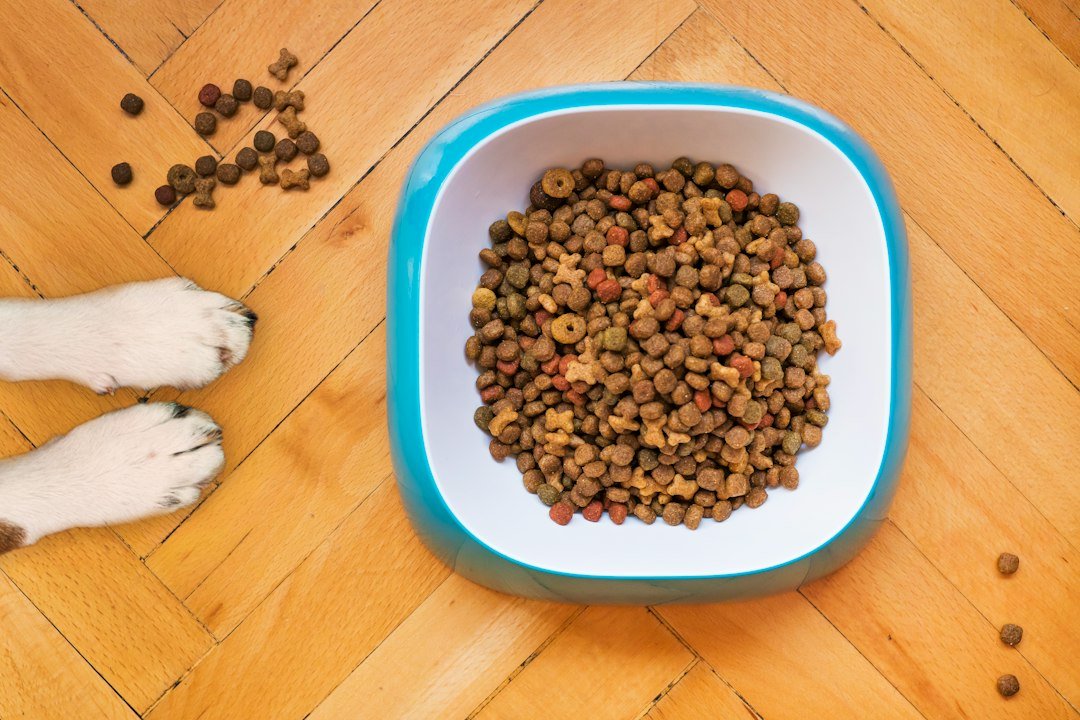
“Sensitive stomach” is useful shorthand, but it is not a diagnosis. One dog may have occasional loose stool after abrupt food changes, another may react to a specific dietary ingredient, and another may actually have parasites, pancreatitis, exocrine pancreatic insufficiency, chronic enteropathy or another medical problem. The best food choice starts with the pattern of symptoms, not with the words printed on the front of a bag.
If your dog has repeated vomiting, ongoing diarrhea, weight loss, blood in the stool, reduced appetite or poor body condition, speak with a veterinarian before cycling through foods. The Merck Veterinary Manual notes that chronic enteropathies are typically considered when gastrointestinal signs persist for three weeks or longer, and that dietary trials can be an important part of diagnosis and treatment.
What people usually mean by “sensitive stomach”
Owners often use the phrase for soft stool, frequent gas, intermittent vomiting, poor appetite, urgency to defecate or digestive upset after certain foods. These signs can be mild and short-lived, but repeated symptoms deserve investigation because the same signs occur with many diseases.
Start by recording what the dog eats, including treats, chews, table scraps, supplements and flavored medications. A food can appear to “fail” when the real problem is frequent extras or a sudden diet change.
Look for complete and balanced nutrition first
Whether the food is marketed for sensitive digestion or not, it should be complete and balanced for the dog’s life stage unless a veterinarian has intentionally prescribed something different. Our dog feeding guide explains how life stage, calories and body condition fit together.
The nutritional-adequacy statement is more important than claims such as “natural,” “premium” or “gentle.” A sensitive-stomach formula still needs to meet the dog’s full nutritional requirements.
Digestibility matters more than a trendy ingredient list
Highly digestible diets leave less undigested material reaching the colon and can be easier for some dogs to tolerate. Veterinary gastrointestinal diets often use carefully selected protein sources, digestible carbohydrates, controlled fat and specific fiber blends rather than simply removing grains or adding exotic meats.
Do not assume a grain-free food is easier to digest. Grain sensitivity is not the default explanation for canine gastrointestinal signs, and eliminating ingredients at random can make it harder to identify what actually helps.
Protein source: when a novel or hydrolyzed diet is useful
When food-responsive enteropathy or an adverse food reaction is suspected, a veterinarian may recommend a strict diet trial using a novel protein the dog has not eaten before or a hydrolyzed-protein diet. Merck notes that hypoallergenic, hydrolyzed or novel-protein diets are commonly used in dietary trials and that many food-responsive dogs improve within days to two weeks.
A true trial must be exclusive. Treats, flavored chews, scraps and some medications can introduce other proteins and confuse the result. If you are trying to determine whether diet is driving chronic signs, “mostly following” the trial is often not enough.
Fat can be important
Some gastrointestinal conditions are managed with lower-fat diets, while others do not require major fat restriction. Dogs with pancreatitis are a clear example where fat control can be central; our dog food for pancreatitis guide explains that separately.
For an otherwise healthy dog with mild digestive sensitivity, the goal is not automatically the lowest-fat food available. Too little fat can reduce calorie density and palatability, while too much may worsen stool quality in some dogs. The right level depends on the individual and any underlying disease.
Fiber: not simply “more is better”
Different fibers do different jobs. Soluble or fermentable fibers can support beneficial gut microbes and influence stool quality; insoluble fiber can add bulk and alter transit time. Veterinary gastrointestinal diets may use a blend rather than one very high fiber number.
If the dog has large-bowel diarrhea, fiber can sometimes help, but severe or persistent signs need diagnosis rather than endless fiber supplements. Adding pumpkin, psyllium or other fiber on top of a complete diet also changes the calorie and nutrient balance if portions become large.
Probiotics and prebiotics
Some dogs benefit from specific probiotics or prebiotic fibers, but products are not interchangeable. Strain identity, viable count, storage and evidence for the intended condition matter. If your dog has chronic disease, ask the veterinarian which product has evidence for that problem rather than choosing by the longest ingredient list.
Transition foods gradually when the dog is stable
Abrupt diet changes can cause gastrointestinal upset even when the new food is nutritionally appropriate. For stable dogs, transition gradually over several days, increasing the new food while decreasing the old.
If the dog is already vomiting, has severe diarrhea or is medically unwell, do not force a standard transition schedule. The veterinarian may recommend a different plan.
Measure the food and count extras
Overfeeding can worsen stool quality. So can an apparently small number of calorie-dense treats. The AAHA nutrition guidelines recommend keeping treats and other noncomplete foods to 10% or less of daily calories so they do not displace the balanced main diet.
Use a kitchen scale when practical. Measuring cups can vary substantially depending on how tightly kibble is packed.
Wet or dry for a sensitive stomach?
Neither format is automatically better. A complete wet diet can add moisture and may be more appealing to a dog with reduced appetite. Dry food can be easier to measure and store. What matters is digestibility, nutrient profile, medical fit and how the individual dog responds.
For a broader comparison, see our wet dog food guide.
When a “sensitive stomach” food is not enough
Do not keep changing foods without veterinary input if your dog has persistent signs. Chronic gastrointestinal symptoms can be associated with parasites, pancreatic disease, intestinal inflammation, foreign material, endocrine disease, liver or kidney problems and other conditions.
The Merck Veterinary Manual recommends excluding other causes before labeling persistent disease as chronic enteropathy. Dogs with unexplained weight change or altered gastrointestinal function also meet nutritional-risk criteria in the AAHA nutrition guidelines.
Red flags that deserve veterinary care
- repeated vomiting or inability to keep water down;
- blood in vomit or stool;
- black, tarry stool;
- weight loss or muscle loss;
- persistent diarrhea lasting more than a few days;
- abdominal pain or bloating;
- marked lethargy;
- poor appetite, especially in a puppy or senior dog;
- signs that keep returning after each food change.
How to compare two sensitive-stomach foods
Ignore marketing first and compare practical features:
- Is it complete and balanced for the correct life stage?
- Does the manufacturer employ qualified nutrition expertise?
- Is the protein strategy appropriate for the dog’s history?
- Is the fat level suitable for any diagnosed condition?
- Does the food provide digestible carbohydrate and an appropriate fiber profile?
- Can the company provide detailed nutrient information if your veterinarian asks?
- Does your dog maintain normal stool, appetite, body weight and muscle condition on it?
Bottom line
The best dog food for a sensitive stomach is the one that meets the dog’s nutritional needs, matches the suspected cause of the gastrointestinal signs and produces a stable clinical response. For occasional mild upset, a gradual transition to a digestible complete diet may be enough. For recurring or chronic symptoms, a structured veterinary diet trial is far more useful than jumping between “sensitive” brands.
This guide is educational and does not replace veterinary diagnosis or an individualized diet plan.



0 comments