
Matted Dog Coat: What You Can Safely Untangle and When to Stop
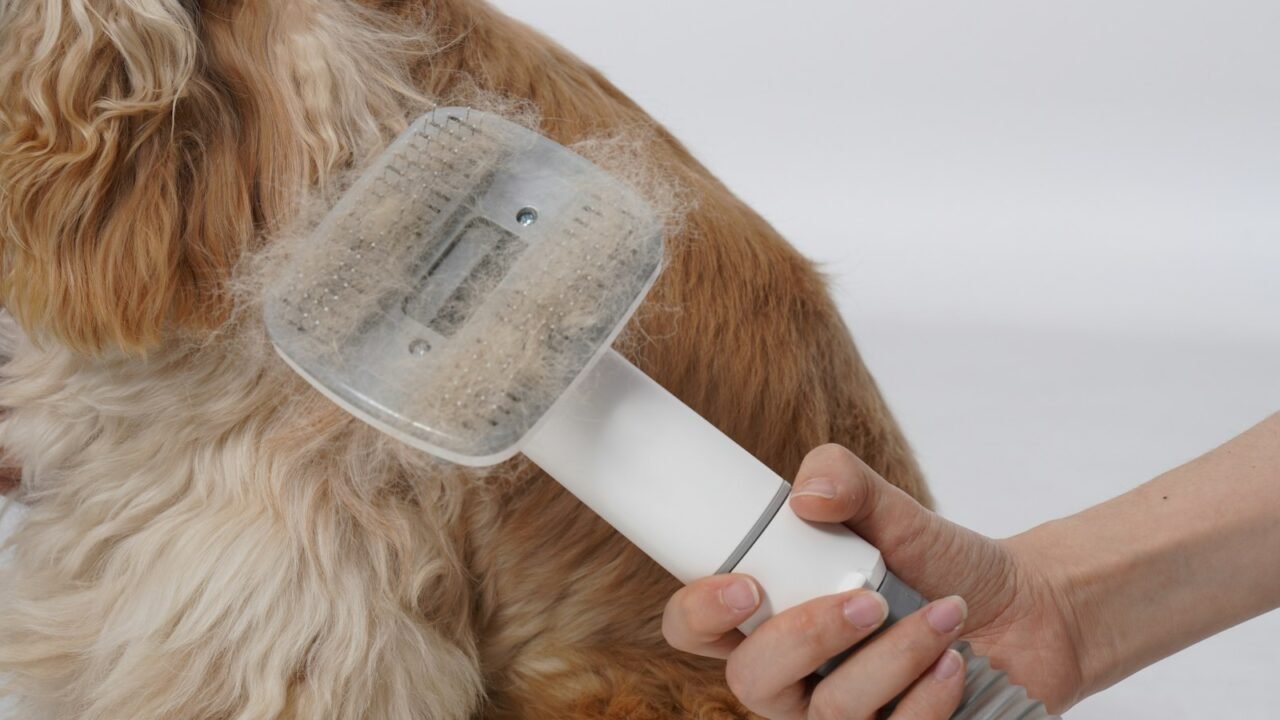
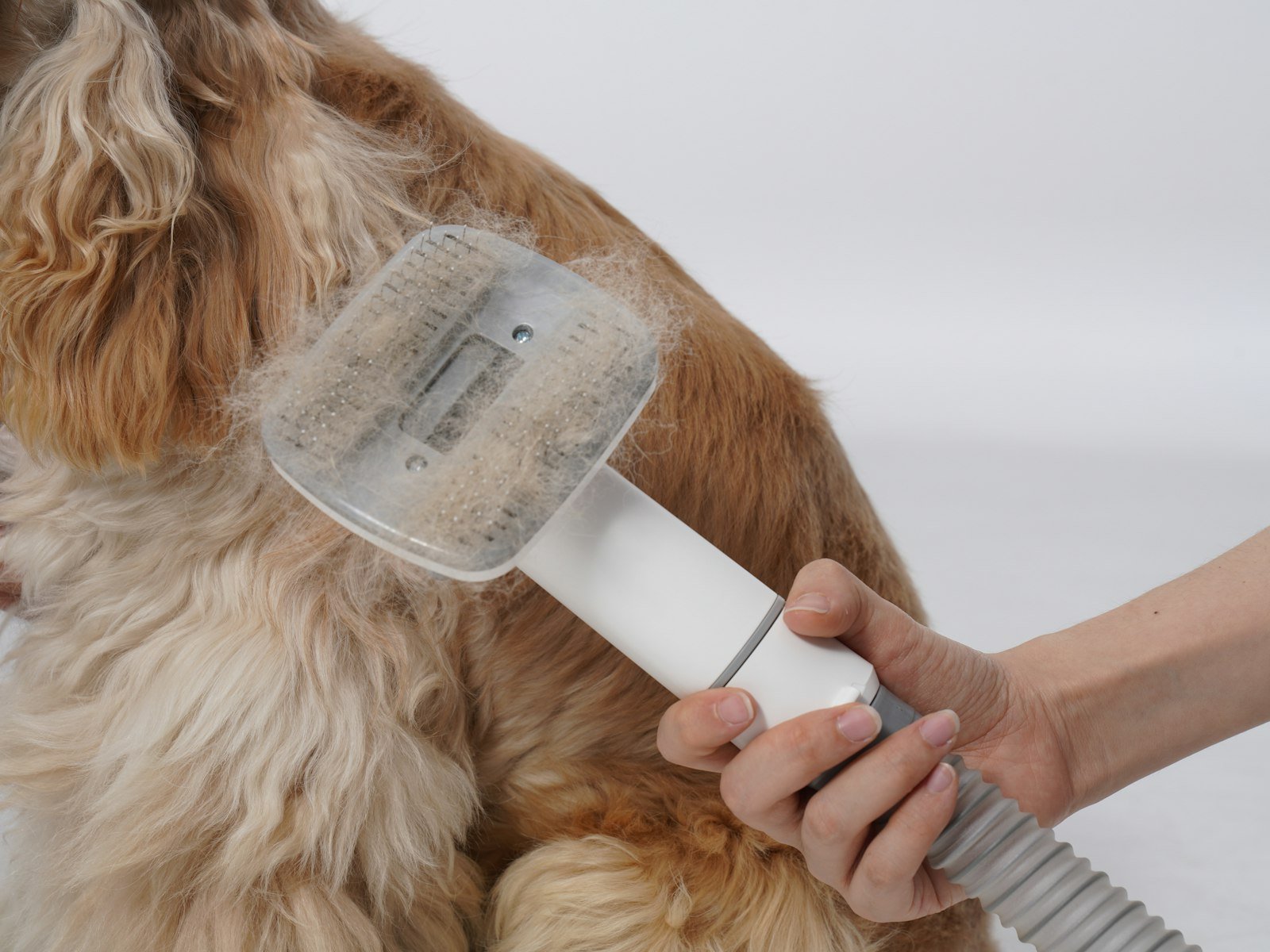
A matted dog coat is more than a cosmetic problem. Tight mats pull on skin, trap moisture and debris, limit airflow and can hide sores, parasites or infection underneath. The safest response depends on how tight the mat is, how much skin it involves and how comfortable the dog is during handling.
The most important rule is simple: do not keep brushing harder just because the knot is not moving.
First decide whether it is a tangle or a mat
A loose tangle usually lifts away from the skin and can be separated with fingers or a comb. A mat feels denser, more felted and may sit directly against the skin.
If you cannot slide fingers between the mat and the body, treat it as a high-risk area.
Tight mats can pull continuously on the skin
Every step, scratch or body movement can tighten the hair further. That is why dogs with severe matting may become defensive when touched even if they were previously tolerant of grooming.
Never cut blindly with scissors
Skin often gets pulled upward into a mat. It can be impossible to see where skin ends and hair begins.
Small loose tangles can sometimes be worked apart
Support the hair near the skin, work from the outside edge and use short gentle strokes.
A dog-safe detangling spray can add slip in some cases. Our dog detangling spray guide explains what those products can and cannot do.
Stop if the dog shows pain
Flinching, turning to bite, yelping, panting, repeated escape attempts or skin moving with the knot are signs to stop.
Finishing one mat is not worth creating fear or a skin injury.
Do not bathe severe mats first
Water can tighten tangled hair as it dries. Remove loose tangles before bathing and get professional help for dense mats.
Where mats usually form
Common areas include behind the ears, under collars, armpits, chest, groin, tail feathering, between the legs and under harness straps.
These areas combine friction, movement and moisture.
Wet coats mat faster
After rain, swimming or bathing, dry long and dense coats thoroughly and comb friction areas.
Harnesses can hide mats
Remove the harness after walks when appropriate and inspect the coat beneath the straps. A mat can form where owners rarely see it.
Ear mats need caution
The skin around ears is thin and can bleed heavily if cut. Tight mats near the ear edge are better handled by a professional.
Armpit and groin mats are high-risk
Loose skin folds into these areas, making scissors especially dangerous.
Paw mats can affect movement
Hair packed between paw pads can trap debris and change how the dog stands. If the mat sits deep between toes, professional removal is safer.
Severe matting may require clipping the coat short
When mats cover large areas, trying to save coat length can mean hours of painful pulling. A humane short clip may be kinder.
Professional groomers can assess whether the coat can be safely dematted or whether clipping is the better option.
Skin under a mat may need veterinary care
Redness, odor, moisture, wounds, discharge or visible parasites should be assessed by a veterinarian.
Do not cover inflamed skin with fragrance sprays or oils.
Dogs with repeated severe matting need a prevention plan
The answer may be more frequent brushing, a shorter trim, different tools or a professional grooming schedule.
Our long-haired dog grooming guide explains routine coat maintenance before mats form.
Tool choice matters
Slicker brushes, pin brushes and metal combs serve different purposes. A mat splitter or clipper requires skill and should not be used casually near loose skin.
Detangling products do not dissolve mats
A spray may reduce friction around a loose knot. It cannot safely separate a felted mat that is already tight against the skin.
Do not use human conditioner as a shortcut
Dog skin has different needs. Use dog-safe products or products recommended by your veterinarian or groomer.
Keep sessions short
If several loose tangles can be safely worked out, spread the job across short sessions. Long forced grooming can make the dog resist future handling.
Reward cooperation
Use treats, breaks and a stable nonslip surface. The goal is to preserve the dog’s comfort with grooming as well as the coat.
When a groomer is the right choice
Use a professional groomer when mats are dense, numerous, close to the skin or in high-risk areas.
When a veterinarian is the right choice
Choose veterinary care when mats cover painful skin, there are wounds or infection, the dog has a medical condition, or safe coat removal may require sedation.
Prevent mats between grooming appointments
- brush and comb high-friction areas regularly;
- dry the coat thoroughly after getting wet;
- check under collars and harnesses;
- remove outdoor debris promptly;
- schedule professional grooming before the coat becomes unmanageable.
Know when to stop
If the mat does not loosen with gentle handling, the skin moves with the mat or the dog becomes painful or distressed, stop. That is the point where safer removal matters more than preserving hair length.
A matted dog coat should be treated as a comfort and skin-health problem. Loose tangles may be manageable at home, but dense mats close to the skin are better clipped by someone with the right tools and experience.
Matting severity can vary across the same dog
One loose knot behind the ear may be manageable while a felted sheet across the chest is not. Assess each area separately rather than assuming the entire coat requires the same approach.
Do not confuse compacted undercoat with a loose surface tangle
Dense undercoat can pack tightly against the skin, especially during heavy shedding. It may need careful de-shedding or professional grooming rather than ordinary brushing.
After mat removal, inspect the skin again
Skin hidden under mats may be red, moist or irritated. Once the hair is removed, do not assume the job is finished if the skin itself looks abnormal.
Severe matting can restrict normal movement
Mats across joints, armpits or the groin can pull every time the dog walks. That makes prompt, humane removal more important than preserving coat length.
Clipping very tight mats may reveal bruising or sores
Tell the groomer about any known medical problems and be prepared for the skin underneath to need veterinary attention. Hidden irritation is one reason severe matting should not be treated as a cosmetic issue.
Prevention needs to match the dog’s actual coat
If mats return despite weekly brushing, the tool or technique may not be reaching the undercoat. Ask a professional to show you how to comb to the skin without scraping it.
Aftercare should prioritise comfort
A dog clipped short because of severe matting may have newly exposed sensitive skin. Follow the groomer’s or veterinarian’s advice about clothing, sun exposure and bathing until the skin settles.
Do not mistake a painful mat for stubborn behaviour
A dog that turns away, growls or snaps when a mat is touched may be protecting painful skin rather than “refusing grooming.” Treat the reaction as information. Stop pulling and change the plan.
After clipping, prevent immediate re-matting
New short hair can still tangle as it grows, especially under collars and harnesses. Restart gentle combing early so the coat does not return to the same condition before the next appointment.



0 comments