
Introducing a Kitten to an Older Cat: A Slow Plan That Protects the Resident Cat
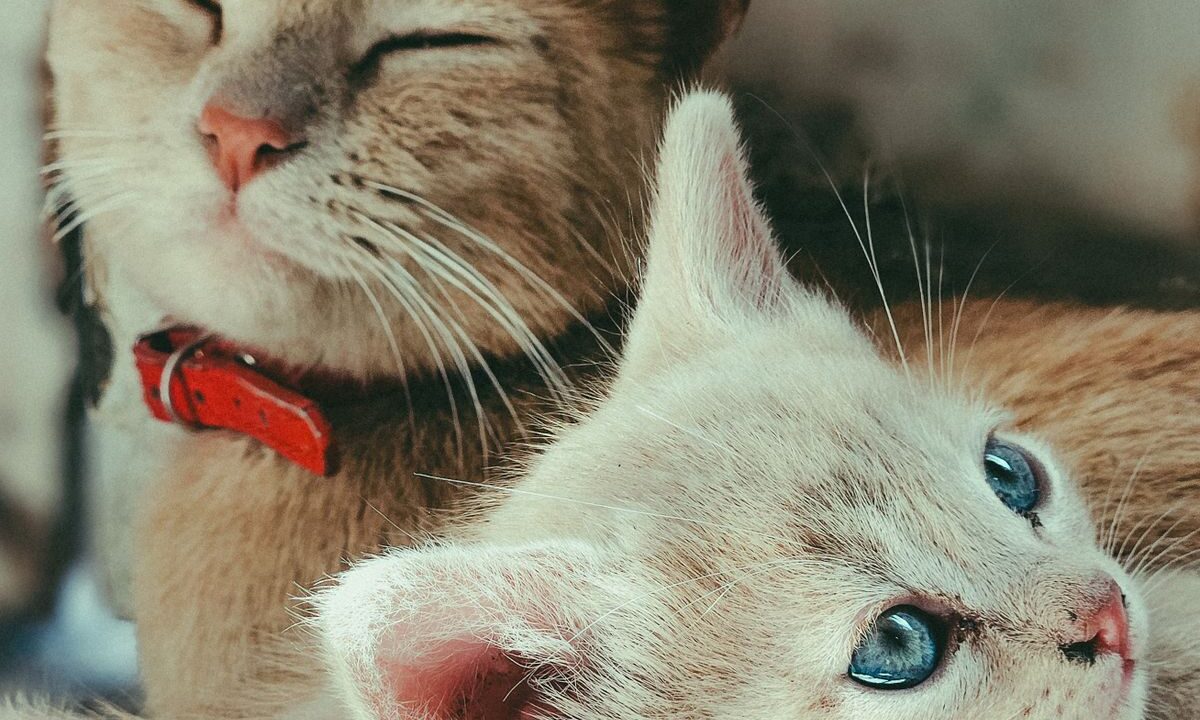
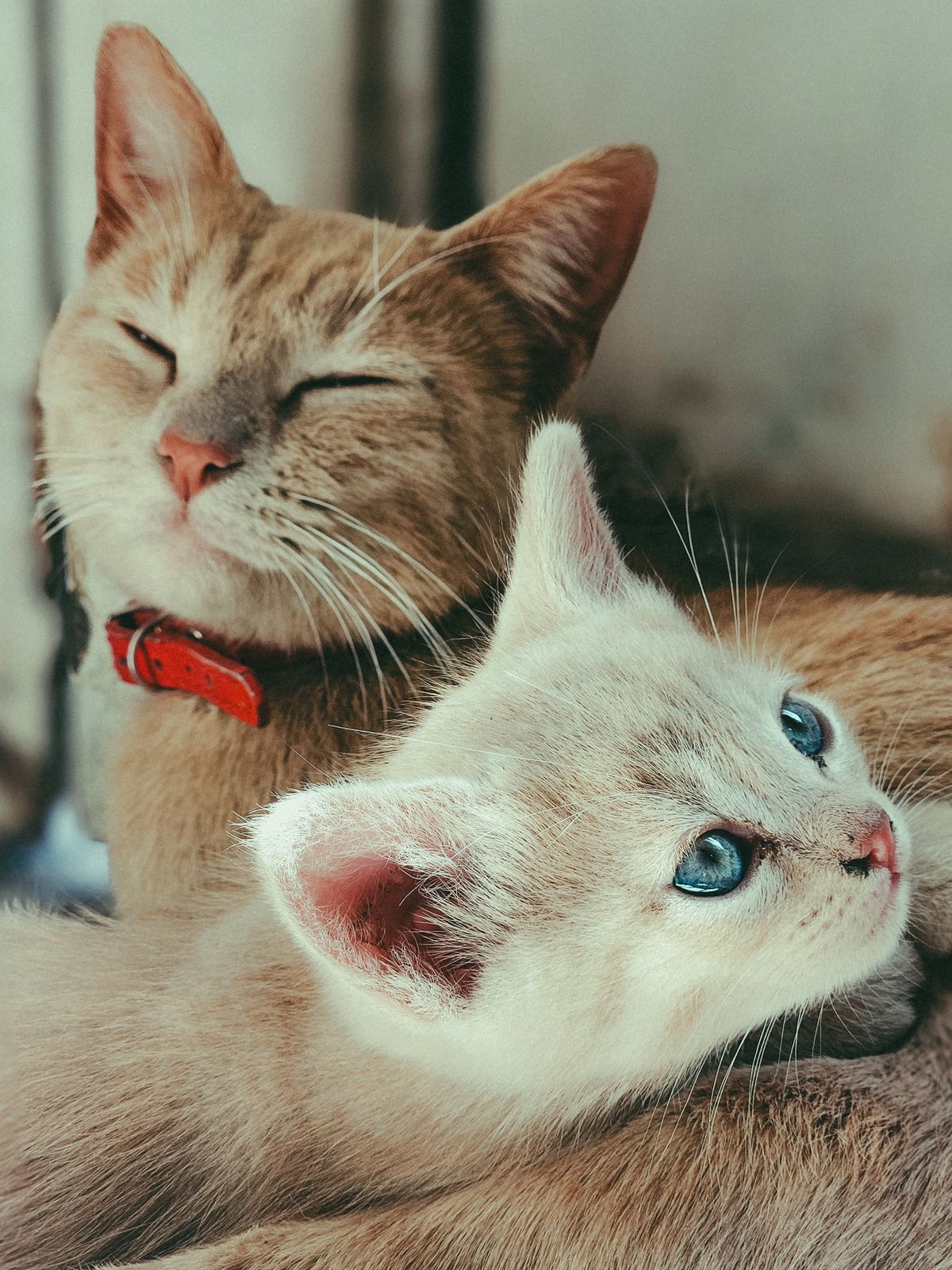
Introducing a kitten to an older cat is often easier than introducing two adult cats, but “easier” does not mean instant. A kitten may arrive eager to chase, wrestle and investigate everything, while an older cat may value routine, quiet sleeping spots and control over personal space. The introduction works best when you protect the resident cat from being overwhelmed and teach the kitten that calm behavior around the older cat is rewarding.
Give the kitten a separate sanctuary room first
Before the cats see each other, set up a room with the kitten’s own litter tray, food, water, bed, scratching surface, toys and hiding places. This gives the kitten time to settle and prevents the older cat from feeling that a stranger suddenly controls the whole home. Cats Protection recommends beginning cat introductions with a separate sanctuary area and moving through scent, visual contact and face-to-face meetings gradually.
Let scent come before sight
Swap bedding, small blankets or cloths carrying each cat’s cheek scent. Place the item where the other cat can investigate or ignore it. Do not push the cloth under the cat’s nose. The point is to make the new smell ordinary before the animals are asked to share space. The Cats Protection introduction guide specifically recommends scent swapping as an early step.
Keep the older cat’s routine as normal as possible
Continue familiar meal times, resting spots and one-to-one attention. An older cat may tolerate the kitten better when the rest of life remains predictable. Moving the older cat’s bed, food and litter all at once can make the newcomer feel responsible for several unwanted changes.
Use a secure barrier for early visual meetings
A mesh barrier, screen or carefully secured baby gate can allow looking and sniffing without immediate chasing. Be especially careful because small kittens can squeeze through gaps that would contain an adult cat. Keep the first visual sessions brief and end while both cats can still disengage.
Exercise the kitten before meetings
A kitten that has already chased a wand toy, climbed and eaten may be less likely to launch themselves at the older cat. Cats Protection specifically suggests tiring a kitten out before interaction because an adult or senior cat may not appreciate constant attempts to play.
Give the older cat escape routes the kitten cannot easily invade
High shelves, a tall cat tree, a gated room or a quiet bed can give the older cat control over distance. If the older cat has arthritis or reduced jumping ability, create easy stepped access rather than relying on a high leap. The important part is that the resident cat can leave without being followed into every resting place.
Provide more resources than you think you need
Do not expect the cats to share one litter tray, one water bowl and one favorite bed immediately. Cats Protection advises one set of essential resources per cat plus a spare, placed in different parts of the home. Separate resources reduce the chance that one cat can block the other from food, water, toileting or rest.
Feed the kitten and older cat separately
Kittens and adult cats often need different food, and the kitten’s enthusiasm can turn mealtimes into competition. Separate feeding also means you can monitor appetite accurately. If the older cat starts eating less after the kitten arrives, do not assume it is merely annoyance; appetite changes deserve attention.
Expect hissing without treating every hiss as failure
A hiss can be a request for distance. If the older cat hisses and the kitten backs away, that communication may prevent a bigger conflict. Do not punish either cat. Instead, shorten the session or increase distance if staring, chasing, swatting or tension keeps escalating.
Do not let the kitten rehearse chasing
A playful kitten may repeatedly run after the resident cat because movement is exciting. Interrupt before chasing becomes a routine. Redirect the kitten to a toy and make sure the older cat can move between important areas without being ambushed.
Watch for quiet bullying as the kitten grows
Not all conflict looks like a fight. Staring, doorway blocking, guarding stairs, repeatedly occupying the other cat’s resources or one cat avoiding parts of the house can signal a problem. Our guide to introducing two cats covers the broader staged process and signs that the relationship needs to slow down.
Senior cats may need a slower timetable
If your older cat has arthritis, hearing loss, vision changes or simply sleeps more deeply, a fast-moving kitten can be especially disruptive. Keep rest areas protected and consider a veterinary check if the older cat becomes unusually withdrawn, stops grooming or changes toileting habits after the kitten arrives.
Move to unsupervised time only after calm has become boring
A few peaceful meetings do not prove the cats are ready to be left together for hours. Increase shared time gradually. You want to see both cats eating, resting, passing each other and choosing separate activities without constant monitoring. Our new pet to existing pets guide provides a broader framework for multi-pet households.
The best relationship may be peaceful coexistence
The older cat and kitten do not have to cuddle or groom each other. If both can use the home, rest, eat and move around without chronic tension, the introduction is succeeding. Friendship is a bonus; safety and choice are the real target.
Do not skip the transition room
Cat Friendly Homes recommends giving the newcomer a separate room with food, water, litter, hiding places, scratching and resting areas. This lets the kitten settle without immediately taking over the resident cat’s territory.
Add resources before the cats meet
The most common source of tension is often not the introduction itself but competition afterward. Add extra litter boxes, food and water stations, scratching surfaces and resting places before shared access begins.
Scent comes before face-to-face contact
Swap bedding or soft cloths so each cat can investigate the other’s scent without direct pressure. Move forward only when both cats can remain relaxed around the new smell.
Visual contact should be controlled
Use a secure screen, tall gate or partially opened barrier rather than allowing an uncontrolled chase. Keep sessions short and end before either cat becomes fixated or defensive.
Do not punish hissing
Hissing and growling are distance-increasing signals. Punishing them adds stress and does not make either cat feel safer. Increase distance and return to an easier stage.
Protect the older cat’s routine
Keep familiar resting areas, meal times and human attention as stable as possible. The kitten should be the new addition, not the reason the resident cat suddenly loses access to favourite places.
Match play outlets to the kitten
A kitten with no other outlet may treat the senior cat as a moving toy. Provide several vigorous play sessions and appropriate chase toys so the older cat does not have to absorb all of that energy.
Know when to pause the process
Repeated ambushing, blocking resources, persistent stalking, injuries, appetite loss or litter-box changes are signs to step back. If the older cat’s health or behaviour changes, involve your veterinarian.
A slow introduction is not a failed introduction
Cat Friendly Homes notes that introductions can take days, weeks or even months. Progress is measured by lower tension and normal daily behaviour, not by how quickly the cats can be placed in the same room.
0 comments