
Shy Dog Afraid of Strangers: How to Help Without Forcing Greetings
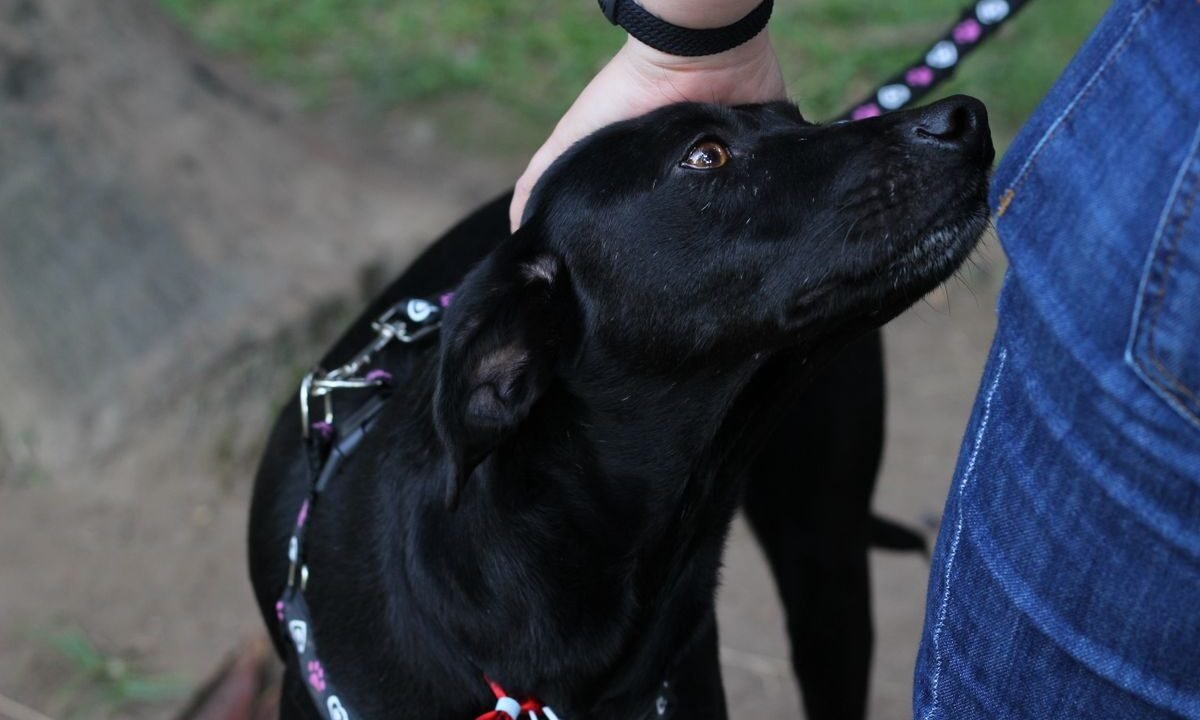
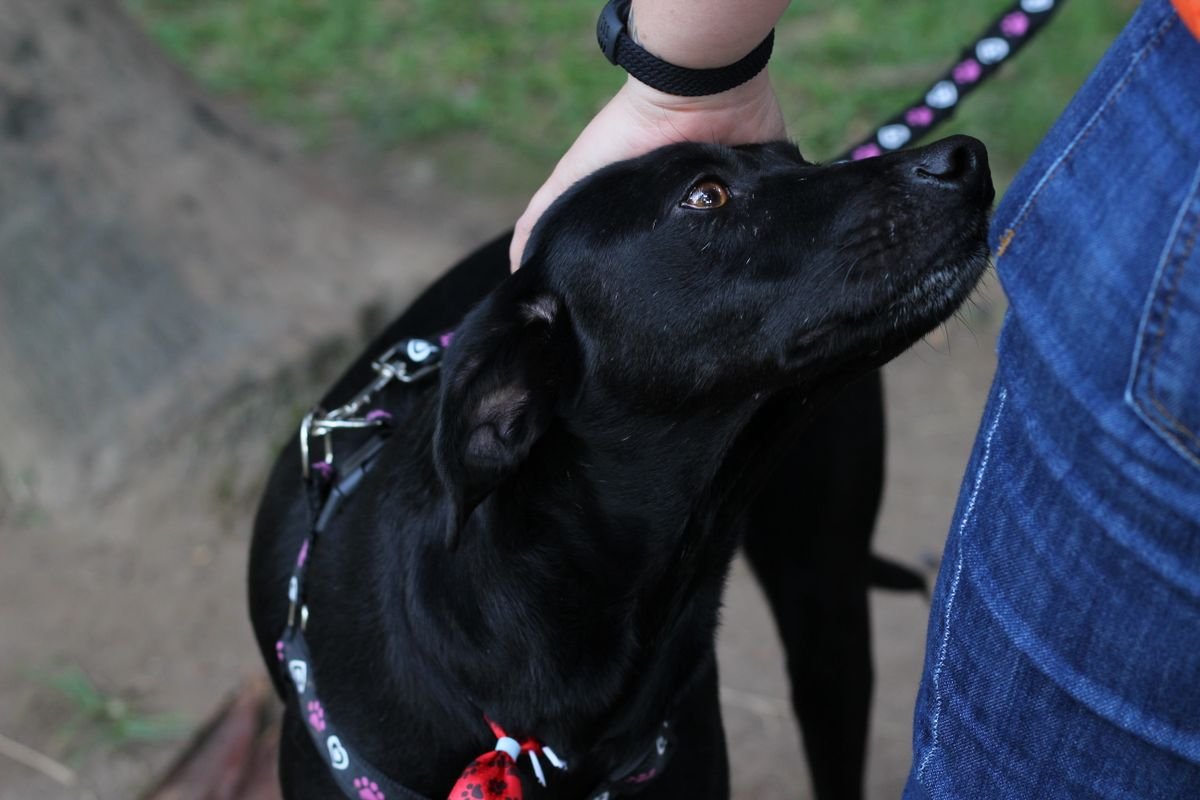
A shy dog afraid of strangers does not need more people reaching toward them until they “get used to it.” Fear usually improves when the dog can observe strangers at a manageable distance, predict what will happen and discover that they are not forced into contact.
Stop asking strangers to pet the dog
If your dog hides, backs away or freezes when someone approaches, remove the expectation of a greeting. Tell people clearly that the dog does not want to be touched. Protecting that boundary is part of helping the dog feel safer around people.
Use more distance before trying more training
A dog that barks, lunges or refuses food may be too close to the stranger to learn effectively. Move farther away until the dog can look at the person and still respond to you. Distance is not avoidance forever; it is how you create a workable starting point.
Ask visitors to ignore the dog
Visitors can turn their body slightly away, avoid staring and keep hands to themselves. Let the dog decide whether to approach. Reaching over the head or leaning forward can make a worried dog feel trapped.
Pair the presence of strangers with something good
At a comfortable distance, feed small treats when the dog notices a person and remains able to eat. The goal is not to lure the dog closer than they want to go. The stranger can toss treats away from themselves so the dog is rewarded without being drawn into contact.
Do not punish barking or growling
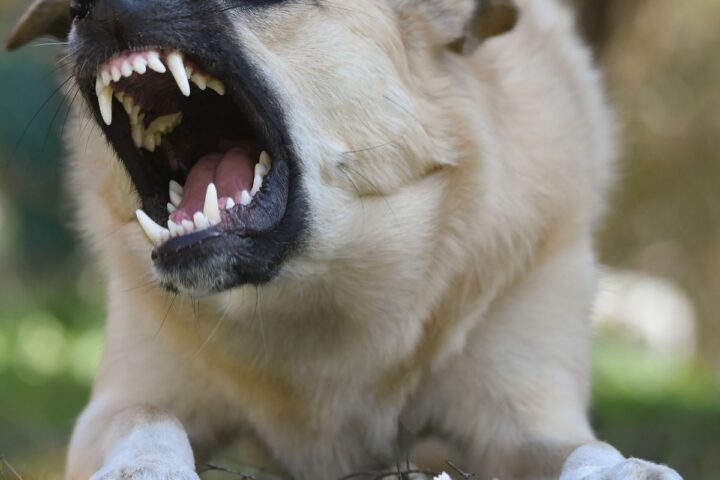
Those behaviors tell you the dog is uncomfortable. Punishment can suppress a warning while leaving the fear intact. The AVSAB humane training guidance recommends reward-based methods and specifically advises against aversive techniques for fear and behavior problems.
Create a visitor routine before the door opens
Set up a gate, mat or quiet room before guests arrive. Give the dog something predictable to do and make sure they can retreat. This is much easier than trying to calm a frightened dog after several people are already standing in the hallway.
Practice with one calm person before a group
Choose someone who can follow instructions and does not need to win the dog over. One quiet visitor is easier to manage than several people talking, moving and reaching at once.
Watch the dog’s recovery, not just the greeting
If the dog stays tense for an hour after a two-minute interaction, the session was probably too difficult. Successful exposure should allow the dog to settle again reasonably quickly.
Separate stranger fear from general confidence
A dog can be playful and relaxed at home but still fear unfamiliar people. Our rescue dog confidence guide covers broader routines and choice-building, while our shy dog socialization guide focuses on gradual exposure without force.
Get help before fear turns into a bite
If the dog snaps, bites, repeatedly lunges or cannot recover around visitors, speak with your veterinarian and a qualified reward-based behavior professional. Do not wait for a serious incident to make the plan safer.
A successful dog does not have to love strangers
The goal can simply be calm neutrality: the dog notices a person, stays under control and is allowed not to interact. That is a realistic and humane outcome for many shy dogs.
0 comments