
Puppy Vaccination Schedule: Core Vaccines, Timing and the First Year
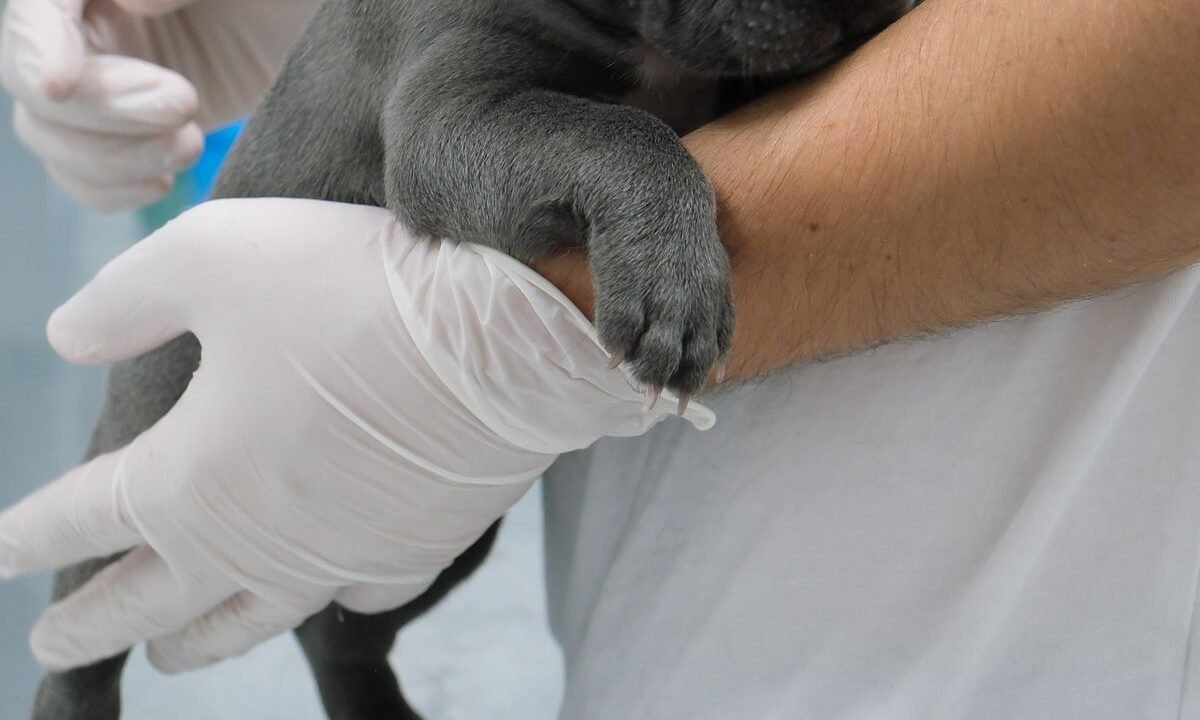
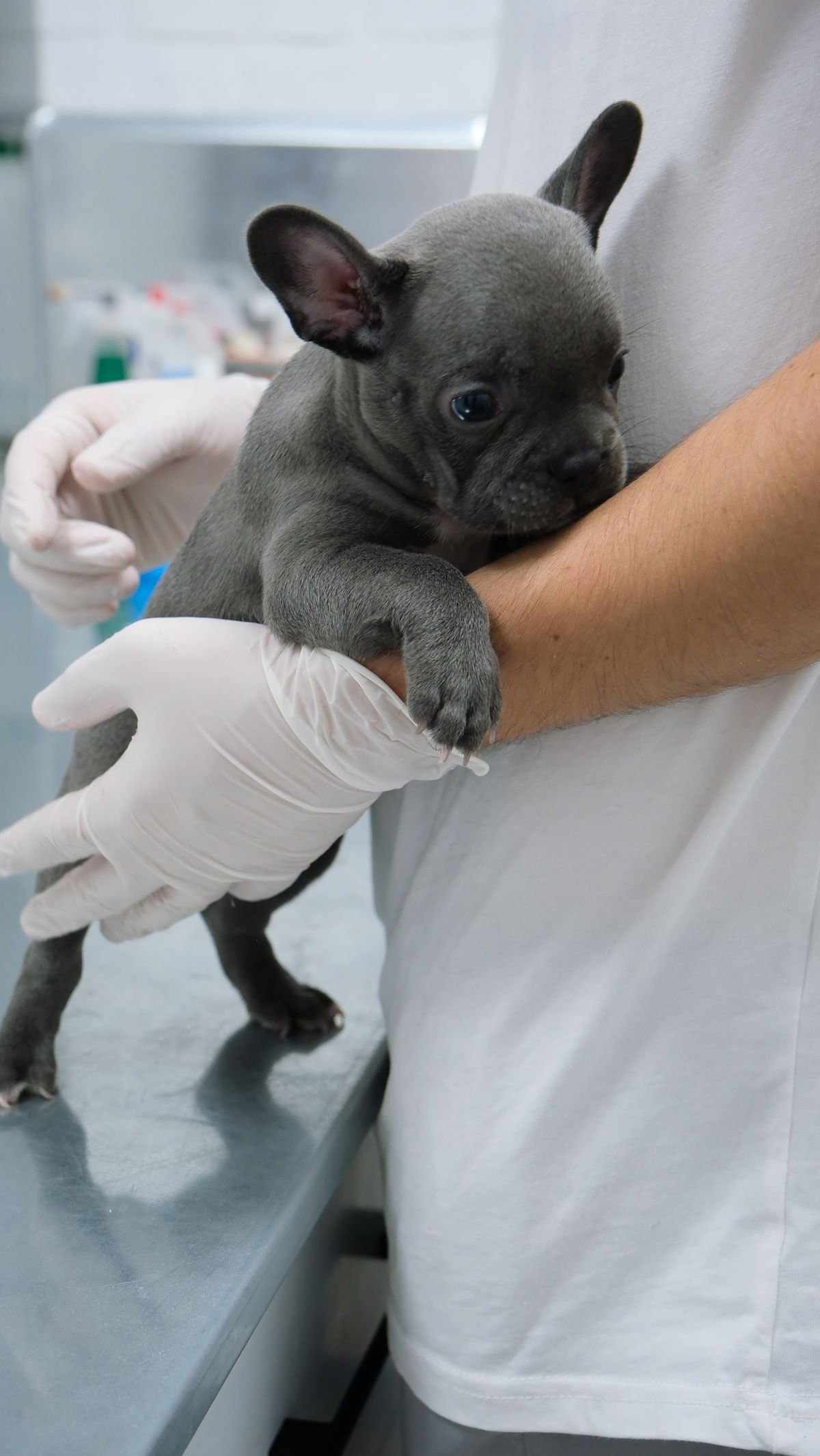
A puppy vaccination schedule is designed around one awkward biological fact: antibodies received from the mother can protect a young puppy but can also interfere with early vaccination. That is why puppies receive a series of doses rather than one injection and a promise that they are fully protected.
Core puppy vaccines usually begin early
The 2024 WSAVA vaccination guidelines recommend starting core distemper, adenovirus and parvovirus vaccination no earlier than about 6 weeks of age, then repeating doses every 3–4 weeks until at least 16 weeks. In especially high-risk situations, the series may continue to 20 weeks.
The final puppy dose matters more than the first
Early doses can be blocked by maternal antibodies. The later dose in the series is intended to catch puppies once those antibodies have fallen enough for the vaccine to work properly. Missing the end of the series can leave a gap in protection even if the puppy had several earlier injections.
Rabies timing depends on local law
Rabies vaccination age and booster requirements are legally regulated in many places. Follow your veterinarian’s advice and the rules where you live or travel rather than copying a schedule from another country.
Leptospirosis may be recommended as part of the plan
AAHA currently classifies leptospirosis among core canine vaccines in its North American guidance, while recommendations can differ by region. Initial vaccination requires more than one dose. Your veterinarian can explain whether it is part of the standard puppy plan where you live.
Lifestyle vaccines are added for individual risk
Bordetella, canine influenza, Lyme and other vaccines are not automatically necessary for every puppy everywhere. Exposure to boarding, daycare, wildlife, ticks, travel and local outbreaks can change the recommendation.
Do not assume “not fully vaccinated” means no safe socialization
Puppies need carefully managed positive exposure during an important developmental period. The safest plan depends on local disease risk. Your veterinarian can help you balance infection prevention with controlled socialization rather than keeping the puppy isolated until every dose is finished.
Keep a written vaccination record
Record the vaccine name, date, clinic and next due date. Boarding facilities, trainers, groomers, travel authorities and future veterinarians may ask for proof. A photo of the certificate is useful, but keep the original record as well.
Expect another vaccination point after the puppy series
WSAVA recommends considering revaccination at about 6 months of age for the main core combination rather than automatically waiting until 12–16 months, to reduce the chance that a puppy that did not respond earlier remains susceptible. Exact timing should still be set by your veterinarian.
Do not restart or add doses on your own
If a puppy is late, adopted with uncertain records or has been sick, bring the available history to your veterinarian. The correct catch-up plan depends on the vaccine product, age and previous documentation.
Use the broader schedule as a reference, not a substitute for the vet
Our dog vaccination schedule guide explains core vaccines, boosters and risk-based choices beyond puppyhood. Your own puppy’s calendar should still be individualized by the clinic providing the vaccines.
The goal is a complete series, not the earliest possible finish
A good puppy vaccination plan gets the right doses at useful intervals and closes the maternal-antibody gap as safely as possible. Keeping appointments and records matters more than trying to compress the schedule.
0 comments