
Bathing a Cat: When It Is Necessary and How to Reduce Stress
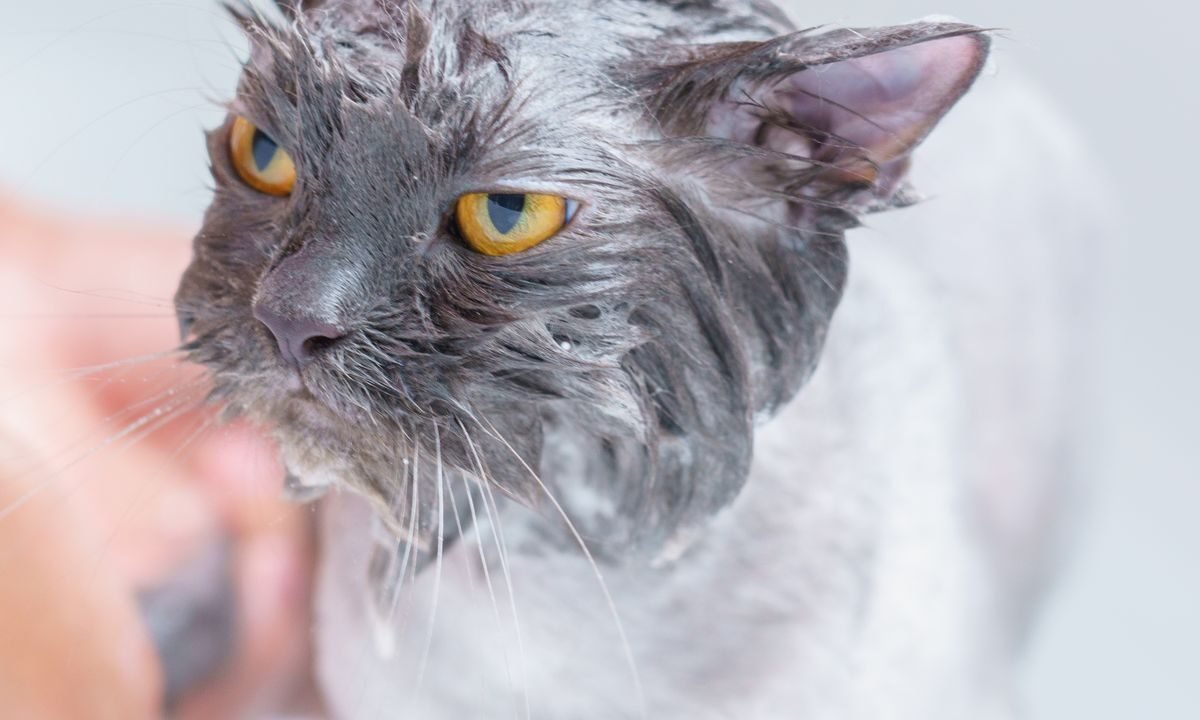
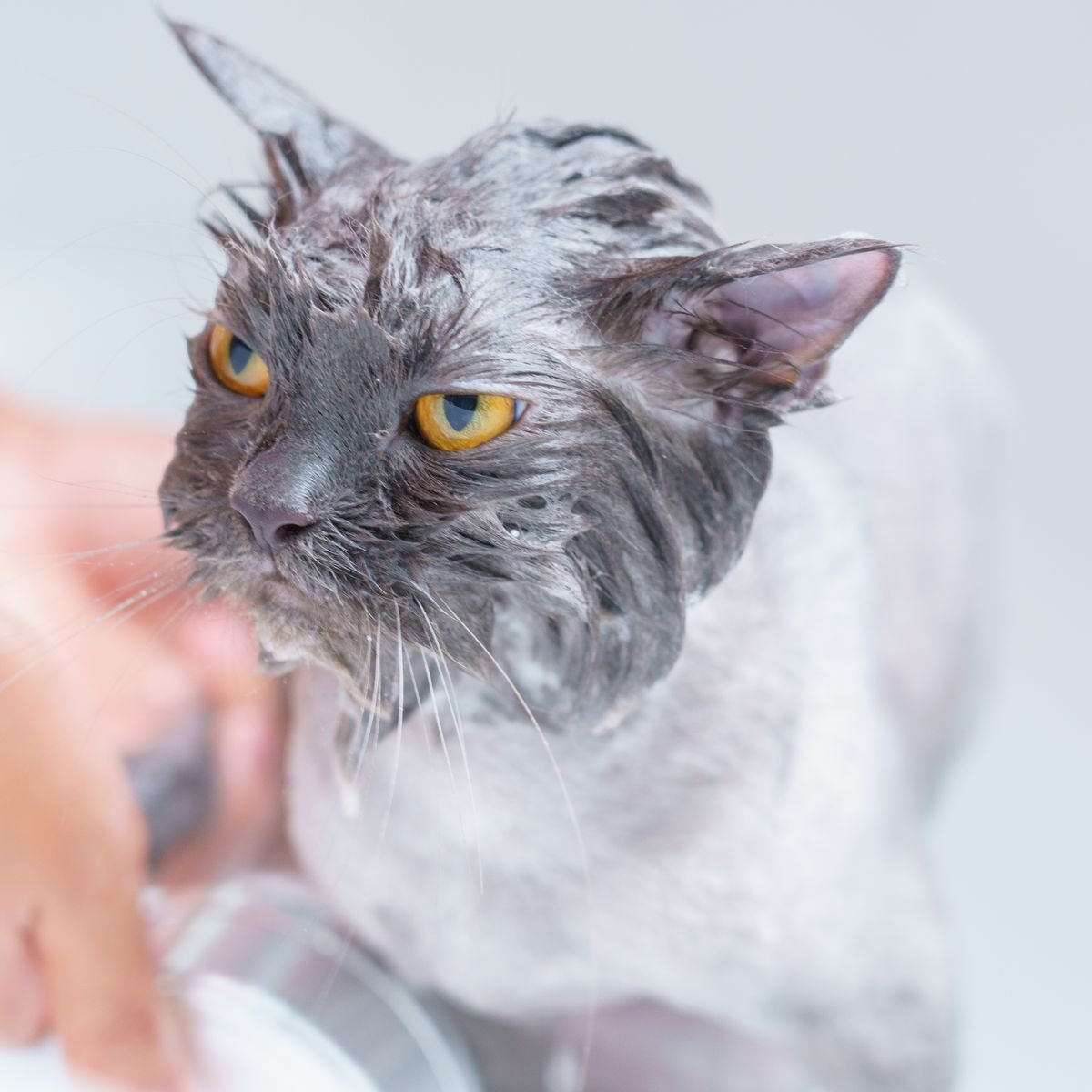
Most healthy cats do a good job of keeping themselves clean and do not need routine baths. Bathing becomes useful in specific situations, such as contamination on the coat, certain skin treatments recommended by a veterinarian or when a cat cannot groom effectively.
Ask whether a bath is actually needed
The Cats Protection grooming guide notes that most cats mainly need brushing rather than bathing. Older cats, long-haired cats and cats with mobility problems may need more grooming help, but that does not always mean a full bath.
Contamination can make bathing necessary
If oil, paint, sticky material, feces or another substance is on the coat, prevent the cat from licking it until you know whether it is safe. For chemical or toxin exposure, contact your veterinarian or animal poison-control service before washing because some substances require specific handling.
Do not use human shampoo
Use a product intended for cats and recommended for the reason you are bathing. Human shampoo, essential-oil products and strong fragrances can irritate feline skin or create unnecessary exposure if the cat later licks the coat.
Prepare everything before bringing the cat in
Have towels, cat-safe shampoo, a cup or gentle sprayer and a non-slip surface ready. Closing the bathroom door before you begin reduces escape risk.
Keep the water comfortably warm
Use lukewarm water rather than hot or cold water. Fill only what you need and keep the process brief. Most cats do not need to be submerged.
Protect the face and ears
Avoid spraying water directly into the eyes, nose and ears. Wipe the face gently with a damp cloth if cleaning is needed there.
Use the least restraint necessary
Holding a frightened cat tightly can turn a difficult bath into a dangerous struggle. If the cat is panicking, biting, breathing heavily or becoming more distressed, stop and reassess. A professional groomer or veterinary team may be safer for some cats.
Rinse thoroughly
Soap residue can irritate the skin and will later be swallowed during grooming. Rinse until the water runs clear and the coat no longer feels slippery.
Dry with towels first
Wrap the cat gently in an absorbent towel and keep the room warm and draft-free. Many cats dislike hair dryers, and hot air can overheat or frighten them.
Brushing may solve the real problem
Loose hair, minor dirt and early tangles often respond better to regular brushing than repeated baths. Our cat hairball guide explains how grooming and loose hair relate to swallowed fur.
Mats need special caution
Do not cut tight mats close to the skin with scissors. Cat skin is thin and can be pulled into the mat. Severe matting may need professional clipping.
A sudden dirty coat can signal illness
If a cat that normally grooms well becomes greasy, matted or unkempt, look for pain, obesity, dental disease, arthritis or other illness. Grooming the coat may help temporarily, but the underlying change still deserves attention.
Trim claws only if handling is already comfortable
A bath can make a nervous cat more likely to scramble for grip. If claw trimming is part of the plan, do it separately and only if your cat already tolerates it. Avoid stacking several stressful procedures into one session.
Have a stopping point before you begin
Decide in advance that you will stop if the cat is panicking, struggling to breathe normally or becoming impossible to handle safely. A partial clean followed by professional help is better than pushing through a dangerous fight.
Keep the post-bath environment quiet
After towel drying, give the cat a warm familiar room with access to hiding, water and a resting place. Avoid immediately introducing visitors, loud appliances or other pets while the cat is still recovering from the experience.
Kittens and senior cats may need different handling
A kitten may struggle because everything feels new, while an older cat may be uncomfortable because of arthritis or reduced mobility. Adjust the setup to the individual cat rather than expecting every cat to tolerate the same position or length of bath.
Most cats need fewer baths than owners expect
Most cats do not need routine bathing. When a bath is necessary, prepare first, keep it brief, use cat-safe products and stop if stress becomes unsafe. In many situations, brushing is the better everyday grooming tool.
0 comments