
Preparing for a Veterinary Appointment: What to Record, Bring and Ask
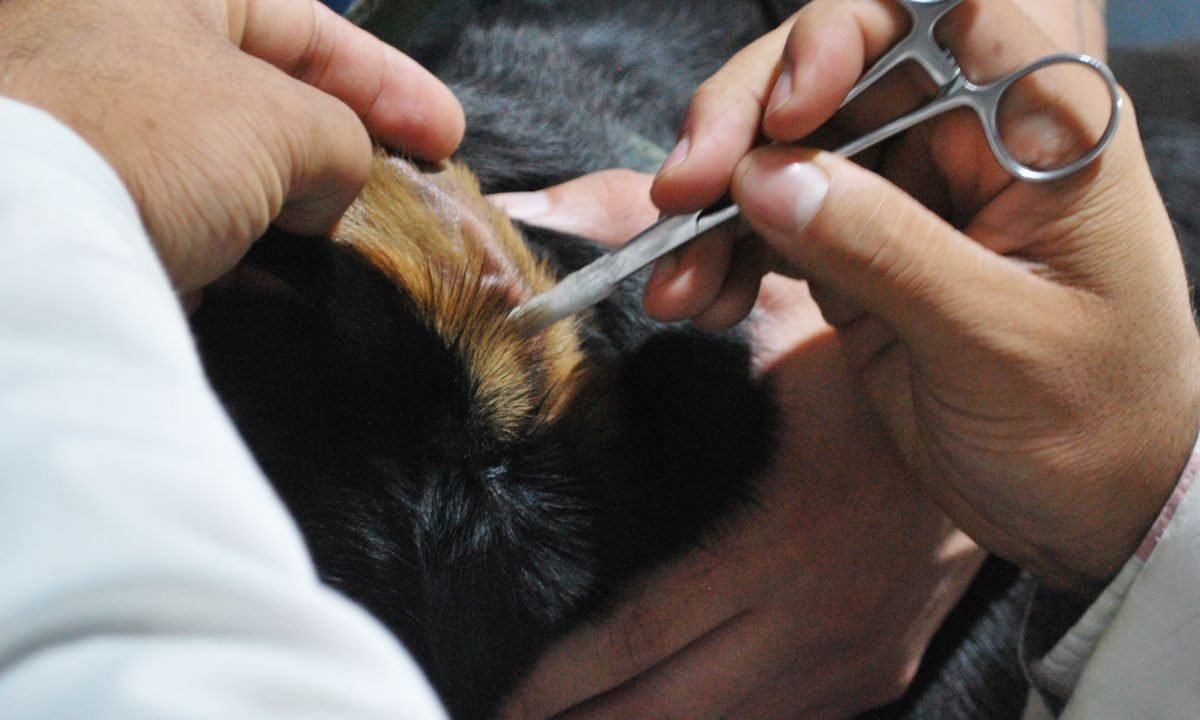
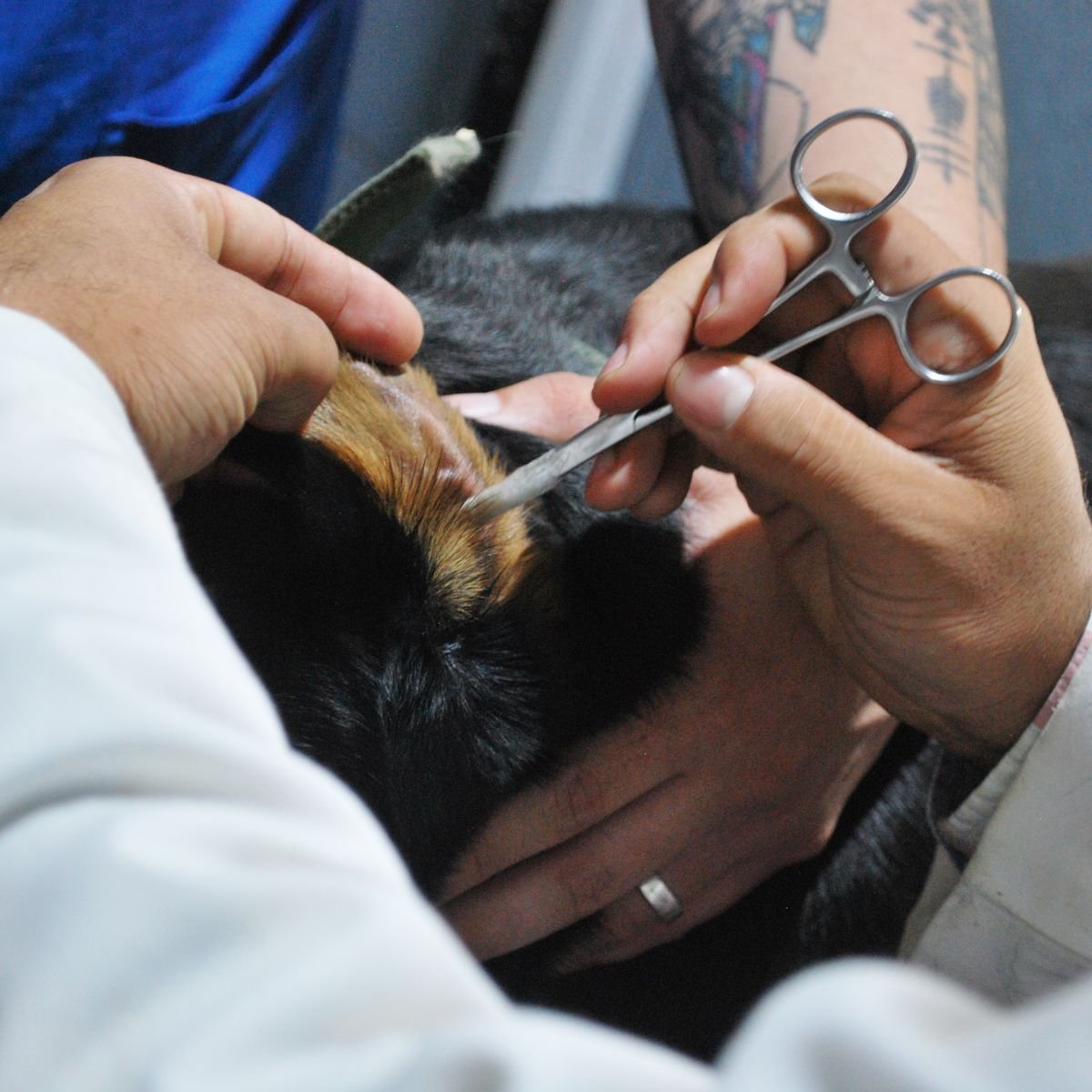
Veterinary appointments can feel rushed when you are worried about a pet. A few minutes of preparation makes the history clearer and helps you leave with fewer unanswered questions.
Write the main concern in one sentence
Start with the reason for the visit: “vomiting three times since last night,” “limping on the right front leg for four days,” or “drinking much more for two weeks.” This gives the veterinary team a useful timeline immediately.
Build a symptom timeline
- When the problem started
- Whether it is improving or worsening
- How often it happens
- What makes it better or worse
- Any recent diet, environment or medication changes
Take useful photos or video
A video of coughing, limping, unusual breathing, a seizure-like episode, strange behavior, or a litter-box posture can be valuable because the sign may disappear in the clinic. Photos can document vomit, stool, urine, wounds or changing lumps.
Bring the complete medication list
Include prescription drugs, flea or parasite products, supplements, over-the-counter products and recent discontinued medications. Write the strength and dose, not just the brand name.
Bring records if this is a new clinic
Vaccination history, previous laboratory results, imaging reports, surgery records and specialist notes can prevent unnecessary repetition. Ask the previous clinic to transfer records in advance where possible.
Know basic eating, drinking and toileting changes
Veterinarians often need to know whether appetite, thirst, urine, stool and body weight have changed. Avoid answers such as “probably normal” if you can check the actual pattern beforehand.
Prepare the pet for lower-stress handling
AAHA’s 2026 veterinary-visit guidance recommends positive carrier experiences and calm handling practice. For pets with strong clinic fear, ask the veterinarian whether pre-visit medication is appropriate.
Write your questions before the appointment
- What are the most likely causes?
- Which tests are most useful and why?
- What treatment choices are available?
- What should improve first?
- Which signs mean I should call sooner?
- When is follow-up needed?
Ask for instructions you can repeat back
Before leaving, confirm medication amount, frequency, duration, food instructions, activity restrictions and follow-up. Repeating the plan in your own words can catch misunderstandings.
For chronic illness, bring trends
Weight logs, glucose readings, seizure frequency, coughing episodes, mobility changes or appetite records can be more informative than one good or bad day.
Do not hide practical constraints
If medication cost, work schedule, transport, pet handling or daily dosing will make a plan difficult, say so. A treatment you cannot realistically follow is not the best plan for your household.
Bring the actual product when labels are confusing
If your pet eats a supplement, unusual treat, over-the-counter product, or specialty diet, bring the container or a clear photo of the ingredient and nutrition label. Brand names alone may not identify the exact formulation.
Know what your pet is eating in real amounts
Measure food and treats for a few days before the appointment if weight, digestion, diabetes, or nutrition is part of the concern. “One bowl” is hard to interpret when bowl sizes and calorie density vary.
Prepare fearful pets before the day of the visit
Leave carriers accessible, reward voluntary entry, practice brief handling, and ask the clinic in advance whether a quieter appointment time or pre-visit medication may help. Trying to force a frightened animal into a carrier at the last minute increases stress for everyone.
Tell the clinic about behavior or handling concerns
If your pet may bite, scratch, panic, or become extremely distressed, say so before the examination starts. This allows the veterinary team to plan safer handling and avoid unnecessary escalation.
Ask what each test will change
When several tests are offered, it is reasonable to ask what question each test answers and how the result would affect treatment. This helps owners understand priorities and make informed decisions when cost or time is limited.
Leave with a follow-up threshold
Ask what improvement should look like, how long it may take, and which signs mean the clinic should be contacted sooner. Clear expectations make home monitoring much more useful.
The bottom line
A useful veterinary appointment is a two-way exchange. A clear timeline, medication list, records, videos, objective home observations and written questions help the veterinary team understand what is happening outside the clinic.

0 comments