
Taking a Hamster to the Vet: Carrier Setup, Temperature and Travel Safety
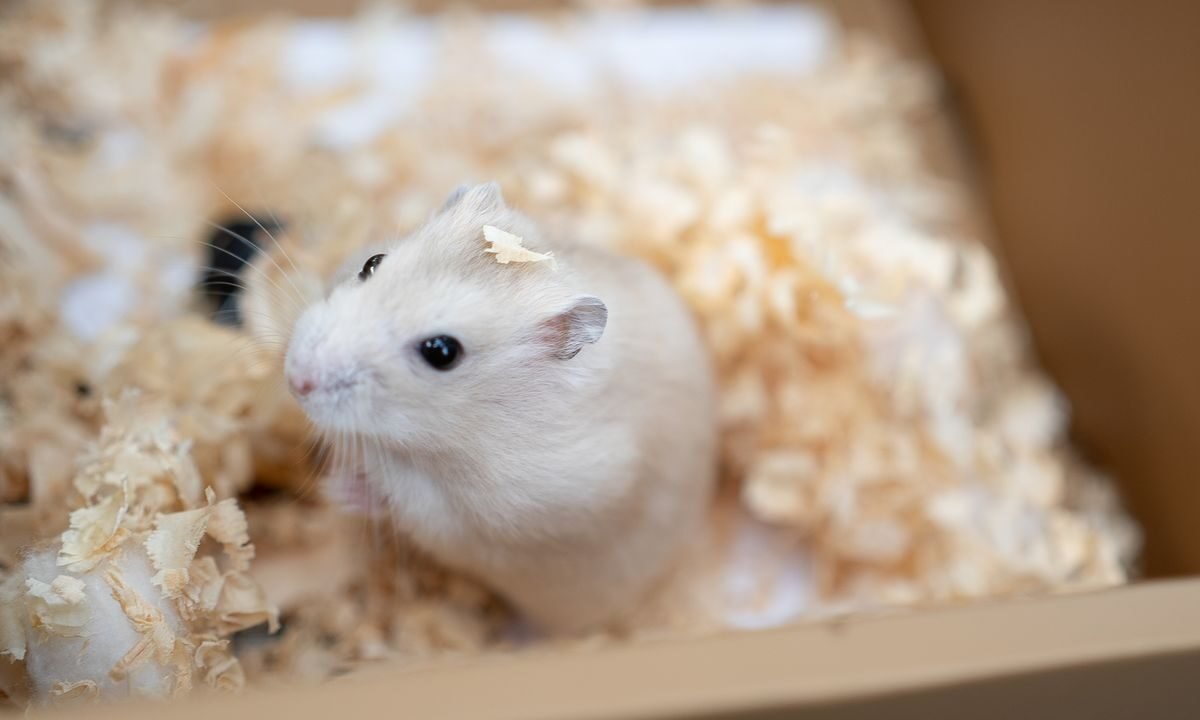
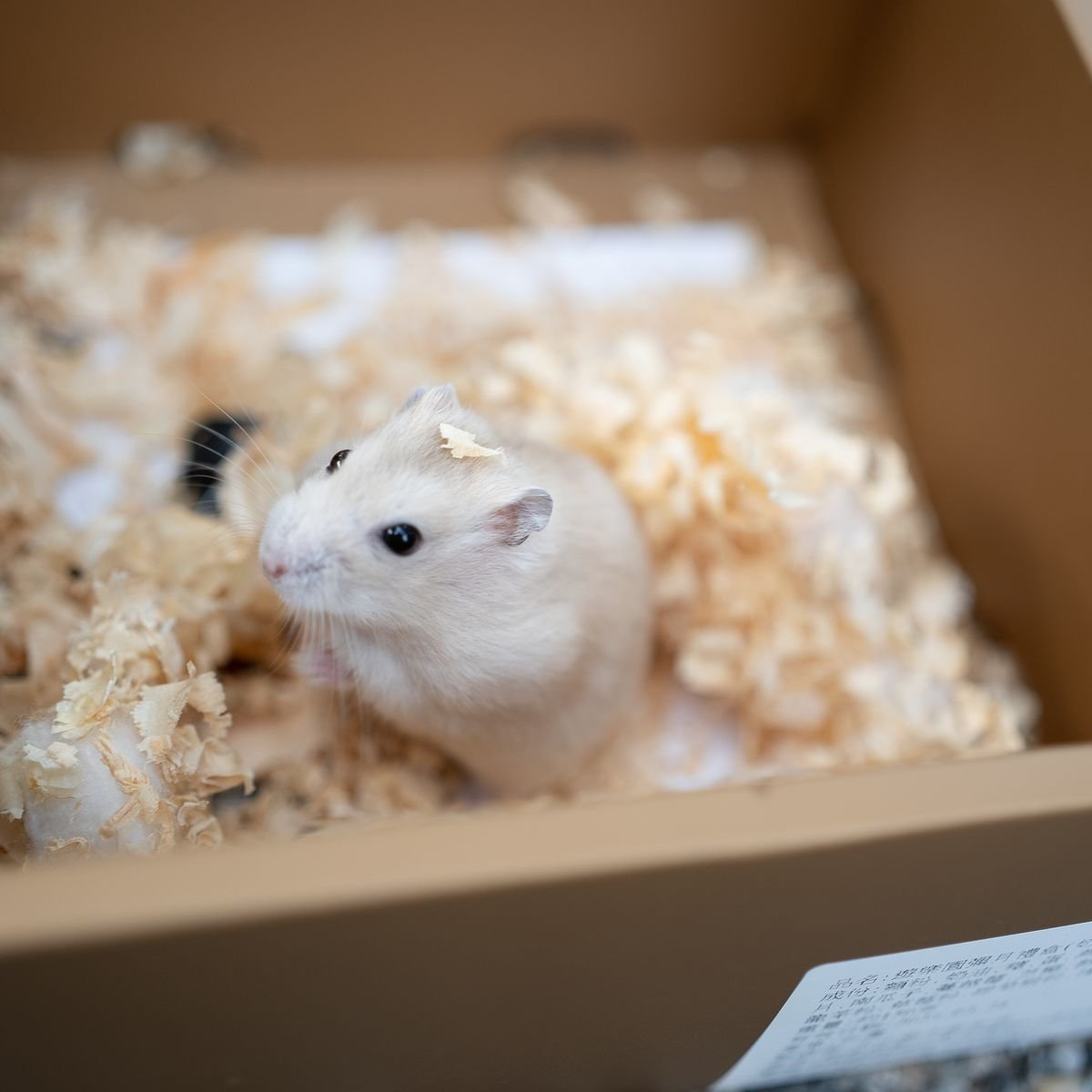
Hamsters usually travel only when something important is happening, which means the trip itself should be as calm and safe as possible. A secure carrier, familiar bedding, stable temperature, and minimal handling can reduce stress on the way to the veterinary clinic.
Use a chew-resistant secure carrier
The RSPCA recommends a suitable secure carrier because hamsters can quickly chew free edges and escape. Plastic carriers with good ventilation are often more practical than cardboard for anything longer than a very short transfer.
See RSPCA hamster health guidance.
Add familiar dry bedding
A small amount of clean familiar nesting material can make the carrier smell safer. Avoid heavily soiled bedding because it can increase ammonia and make health monitoring harder.
Keep the carrier stable
Place it where it cannot slide, tip, or be struck by loose objects. Avoid high shelves or seats where a sudden stop could cause a fall.
Temperature matters
Hamsters can become chilled or overheated quickly. Keep the carrier away from direct sunlight, air-conditioning vents, heaters, and cold windows. A comfortable room-temperature environment is safer than trying to make the carrier very warm.
Food and water during travel
For a short clinic trip, familiar dry food is easy to provide. For longer travel, follow your veterinarian’s advice on water because bottles can leak and soak bedding. Never use sticky foods that could lodge in cheek pouches.
Reduce handling
A sick hamster may bite or struggle because of pain or fear. Merck notes that gently scooping a sick hamster in a small container can sometimes be easier than grabbing it by hand.
Bring useful information
- Medication list
- Diet details
- Recent weight changes
- Photos of diarrhea, wounds, or lumps
- Notes on appetite and water intake
- Any recent cage, bedding, or food change
Do not combine the trip with errands
Go directly to the clinic and home again. Never leave a hamster unattended in a parked car, even in mild weather.
After the appointment
Return the hamster to a familiar, quiet enclosure and monitor eating, drinking, movement, and medication response. If your vet gives specific temperature or feeding instructions, follow those rather than generic care advice.
Practice the carrier before you need it
Place the carrier near the enclosure during calm periods with a little familiar bedding or food inside. Brief voluntary exploration makes the carrier less novel when a real veterinary trip is necessary.
Keep heavy objects out of the carrier
Wheels, ceramic houses, and other heavy accessories can move during sudden braking and injure a hamster. Use light bedding and only stable low items during transport.
Plan the route and clinic in advance
Not every veterinary practice treats hamsters. Save the address and phone number of an exotic-pet clinic and know which service is available after hours before an emergency happens.
A sick hamster may need a simpler setup afterward
Depending on the diagnosis, your veterinarian may recommend temporarily removing high climbing structures, using easy-access food and water, or changing bedding so recovery is easier to monitor.
Monitor the first hours back home
Check whether the hamster resumes normal eating, drinking, grooming, and movement. Follow the clinic’s medication instructions exactly and call if the hamster appears worse after travel or treatment.
Keep travel time predictable
Book appointments at a time when you can travel directly without long waiting periods in the car. If the clinic is far away, ask whether the hamster should have additional food, hydration support, or temperature precautions for the journey.
Label the carrier
Add your name, phone number, hamster’s name, and veterinary clinic details to the carrier. This is especially useful in multi-pet households or if someone else needs to transport the hamster during an emergency.
Avoid unnecessary cleaning immediately before travel
A small amount of familiar dry nesting material can reduce novelty. The goal is a clean carrier that still smells familiar, not a strongly scented freshly washed container that removes every normal scent cue.
The bottom line
Secure transport should be boring: sturdy carrier, familiar bedding, stable temperature, direct travel, and as little handling as possible. Preparing the carrier before an emergency makes the next vet trip much easier.



0 comments