
Dog Limping: Common Causes, Red Flags and What to Do
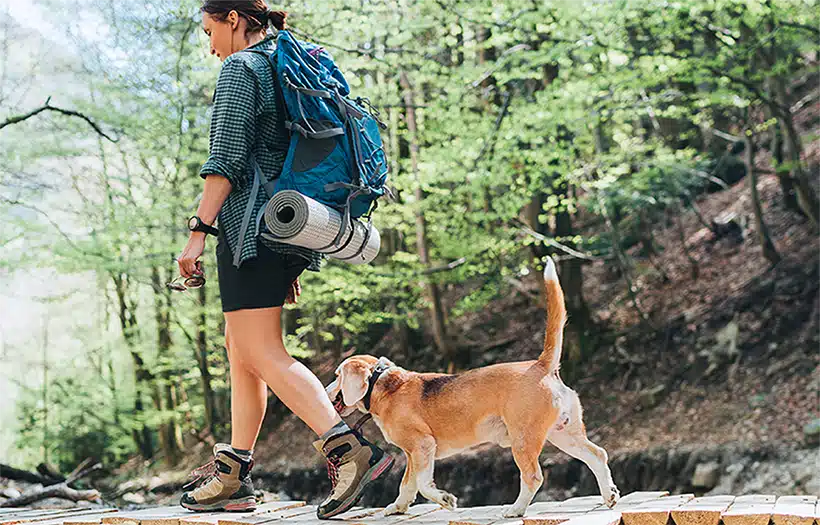
A limp tells you that a dog is protecting a painful or uncomfortable limb, but it does not tell you the cause. The problem may be as small as a sore paw pad or as significant as a fracture, ligament injury or joint disease. How suddenly the limp appeared and whether the dog can bear weight are useful clues.
Check the paw first—without forcing it
If your dog is calm and comfortable enough, look for a torn nail, cut pad, swelling, thorn, burr or material caught between the toes. Stop if the dog resists or appears painful. A painful dog may bite even when normally gentle.
Think about how suddenly the limp started
A sudden limp after running or a fall suggests a different set of possibilities from stiffness that has gradually worsened over weeks. Tell your veterinarian whether the dog bears any weight, whether the problem improves after rest and whether more than one leg appears affected.
Red flags that need urgent assessment
Seek urgent veterinary care if the dog cannot bear weight, a limb looks deformed, there is an open wound or uncontrolled bleeding, the dog has been hit by a vehicle, pain is severe, weakness is progressing or the dog is dragging a limb. Major trauma can cause internal injuries even when the leg is the most obvious problem.
Rest is safer than testing the injury
Until the cause is known, keep activity controlled and avoid running, jumping and rough play. Do not repeatedly flex, extend or ‘test’ a painful joint. A veterinarian may need to examine gait, joints, muscles and neurologic function and may recommend imaging.
Do not give human painkillers
Human pain medicines can be dangerous for dogs, and the appropriate veterinary medication depends on the dog’s health and diagnosis. Call your veterinarian before giving any pain-relief product that was not specifically prescribed for this dog and this problem.
Recurring limping deserves investigation
A limp that repeatedly returns after exercise or seems to switch in severity may still indicate meaningful orthopedic disease. Early assessment can help identify weight, joint, ligament or developmental factors that need management.
What to record before the veterinary visit
Note which leg appears affected, whether the dog bears weight, when the limp began, recent exercise or trauma, swelling, nail or paw changes, and whether the gait is worse after rest or activity. A short walking video can be useful if the dog is safe to move.
Bottom line
Do a gentle visual check, restrict activity and arrange veterinary evaluation for persistent or significant limping. Inability to bear weight, severe pain, deformity or major trauma should be treated urgently.
Veterinary reference: Merck Veterinary Manual — Lameness in Dogs.
For broader preventive care, see our everyday dog care guide and our paw-licking guide.
Paw pain, joint pain and neurologic weakness can look similar
A dog may shorten a stride because of a sore pad, torn nail, muscle injury, ligament problem, arthritis or pain from the spine. True neurologic weakness can also change gait. Scuffing the tops of the paws, crossing limbs, knuckling over or obvious loss of coordination deserves prompt assessment because the problem may not be confined to a leg.
Controlled activity protects an undiagnosed injury
Until the cause is known, use short leash walks for toileting rather than off-leash running, stairs, jumping from furniture or rough play. Rest will not diagnose the problem, but it reduces the chance of turning a minor soft-tissue injury into a larger one while you arrange care.
Body weight affects recovery and chronic joint comfort
Excess body weight increases mechanical load on joints and can make mobility problems harder to manage. If a dog has recurring orthopedic pain, ask the veterinarian to assess body condition and muscle condition as part of the treatment plan rather than focusing only on medication.
Do not judge recovery by one good walk
Adrenaline, excitement and rest can temporarily make a dog look better. A limp that disappears in the clinic or after sleep can still be meaningful. Continue to track the pattern, especially whether stiffness appears after exercise, after rising, on stairs or on particular surfaces.
Compare both sides visually
Look for obvious swelling, heat, a dangling limb or a toe held at an unusual angle. Do not squeeze a painful area just to see whether the dog reacts.
Check nails and pads before assuming a joint problem
A torn nail, pad injury or foreign body between the toes can cause a dramatic limp. These problems may be easier to see than deeper orthopedic disease.
Do not give human pain medicine
Ibuprofen, naproxen and other human pain relievers can be dangerous to dogs. If the dog needs pain control, contact your veterinarian for a safe plan.
Young dogs with persistent limping need evaluation
Growth-related orthopedic conditions can appear before obvious injury. Repeated limping in a puppy or adolescent dog should not be dismissed as simple overexertion.
Older dogs may show arthritis as intermittent limping
Stiffness after rest, difficulty with stairs and reluctance to jump can all accompany chronic joint pain. An examination can help distinguish arthritis from ligament, paw or spinal problems.
Surface changes can provide clues
A limp that appears only on hard floors may reflect traction or pain that becomes obvious on that surface. Note whether stairs, jumping or rising from rest make the gait worse.
Keep videos short and natural
If the dog can walk safely, record a few steps from the front, side and behind. Avoid repeatedly exercising the dog just to capture the limp.
Swelling that increases quickly deserves attention
Rapidly developing swelling, heat or severe pain can indicate a more significant injury and should be assessed promptly.
Rest means controlled movement, not complete inactivity forever
Until the cause is clearer, restrict running and jumping, but follow veterinary guidance on how much movement is appropriate. Prolonged unnecessary inactivity can also reduce muscle strength.
Use rugs or runners on slippery floors
Dogs with joint or neurologic problems may look worse on slick surfaces. Better traction can improve confidence while you arrange assessment, though it does not diagnose the cause.
Track whether the limp improves with rest
A limp that improves after a quiet day can still return with activity. Note whether the dog is better after rest, worse after exercise or stiff on first rising; those patterns are useful to the veterinarian.
Do not test the leg by encouraging running
Owners sometimes throw a ball or ask the dog to sprint to see whether the limp is gone. That can worsen an injury. Use normal controlled movement only while monitoring.
If the limp worsens despite rest or the dog stops bearing weight, contact your veterinarian promptly.
Persistent limping deserves examination even when the dog still wants to play normally.
Note whether stairs or jumping make the limp worse.
A practical home check without manipulating the leg
If your dog will allow it comfortably, look at the paw pads, nails and between the toes for a cut, thorn, swelling or broken nail. Stop if your dog resists or seems painful. Do not repeatedly bend and extend the joints to “find the spot”; that can hurt and usually does not identify the problem reliably at home.


0 comments