
Cat Hairballs: What Is Normal, Prevention and Warning Signs
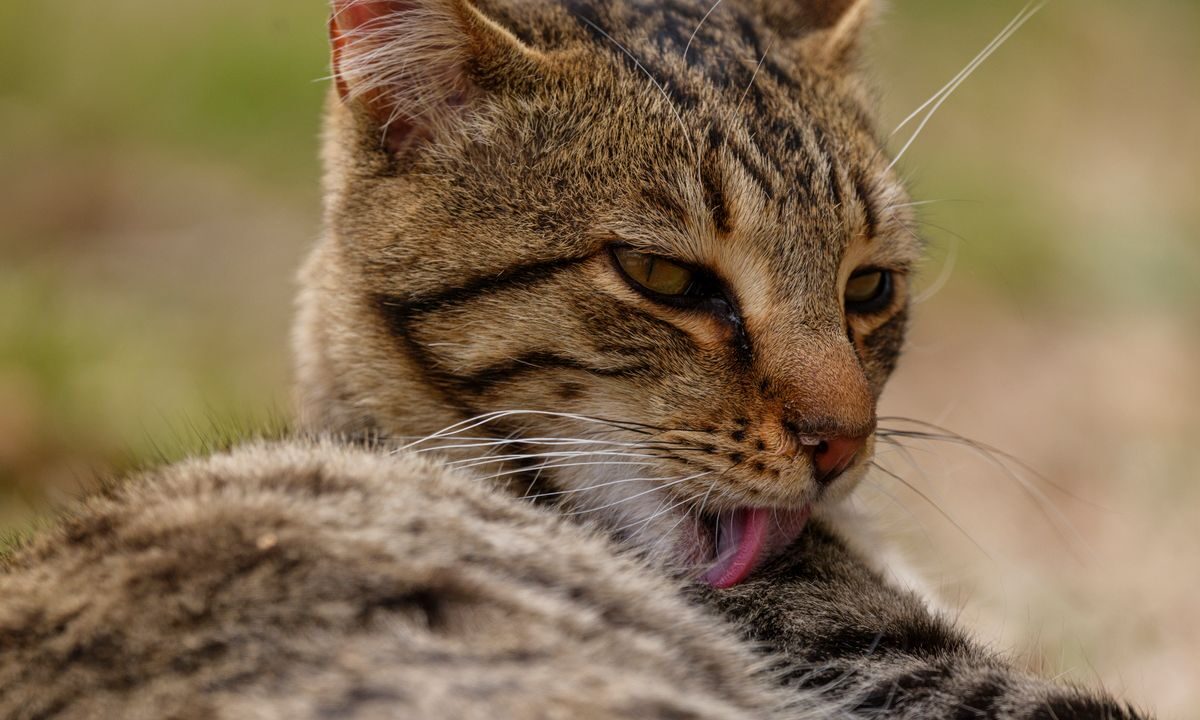
Cats swallow loose hair while grooming, and some of that hair can collect in the stomach and be vomited as a cylindrical hairball. An occasional hairball in an otherwise well cat may not be concerning, but frequent hacking should not automatically be blamed on hair.
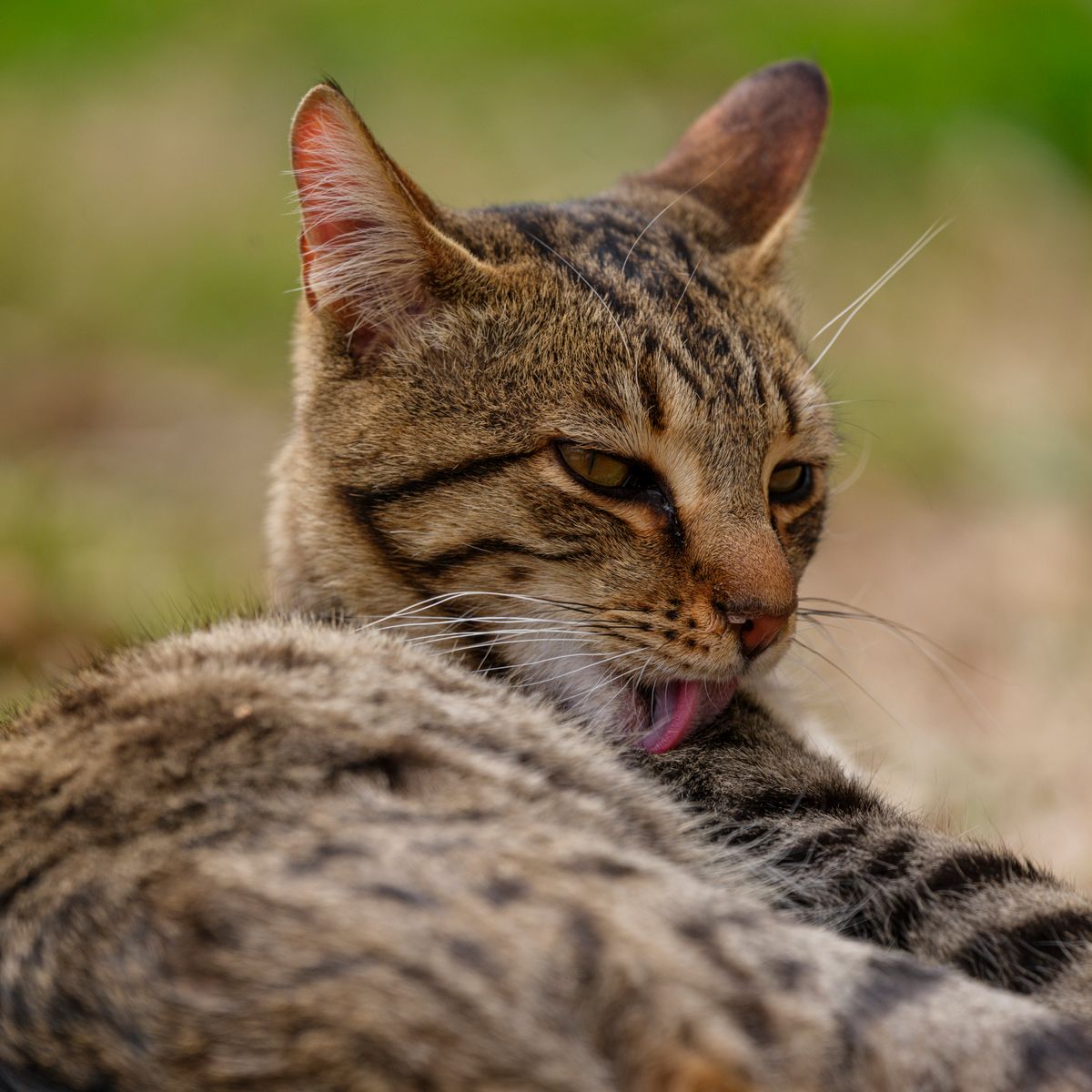
What a hairball usually looks like
Because it passes through the esophagus, a hairball is often long and tubular rather than perfectly round. It may be mixed with fluid or partially digested food.
Why grooming matters
Regular brushing removes loose hair before the cat swallows it. The Cornell Feline Health Center recommends frequent brushing as a practical way to reduce swallowed hair.
Long-haired cats may need more help
Dense or long coats can increase the amount of hair swallowed. Senior, overweight or arthritic cats may also groom less efficiently and develop mats, which need their own grooming plan.
Repeated retching is not always a hairball
Coughing from asthma, gastrointestinal disease, parasites or other illness can be mistaken for “trying to bring up a hairball.” Video an episode if it is safe; the sound and posture may help your veterinarian.
Warning signs
Cornell advises veterinary assessment when a cat is lethargic, stops eating, has repeated unproductive retching or true vomiting. Intestinal hairball blockage is uncommon but can be serious.
Be cautious with over-the-counter remedies
Hairball pastes, fiber products and diets are not appropriate for every cat. If hairballs are frequent, first ask why so much hair is being swallowed and whether another disease is present.
Watch skin and coat health
Excessive grooming from fleas, allergy or stress can increase hair ingestion. Bald patches or broken hair deserve investigation rather than simply adding a hairball product.
For coat and grooming care, see our cat hygiene guide. If the episode may actually be vomiting, use our new cat owner health checklist while arranging veterinary advice.
Track frequency instead of relying on memory
Write down how often hairballs appear over a month and whether they cluster during seasonal shedding. A vague impression that a cat “gets them a lot” is less useful than a simple count when discussing the pattern with your veterinarian.
Hairball shape can be misleading
A true hairball is often sausage-shaped because it has passed through the esophagus. Foamy fluid, bile or partially digested food without visible hair may represent vomiting from another cause.
Grooming technique matters
Use a brush or comb that actually reaches loose undercoat without scratching the skin. Short sessions performed regularly are usually better tolerated than an occasional long grooming session that becomes stressful.
Dietary fiber is not automatically the answer
Some hairball diets alter fiber content, but adding random fiber supplements can affect stool quality and calorie intake. Frequent hairballs deserve a cause-focused discussion before changing nutrition.
Overgrooming increases swallowed hair
Fleas, allergy, pain and stress can all drive excessive grooming. Check whether the cat is licking one body area intensely, creating bald patches or breaking hairs rather than assuming coat length alone explains the problem.
Senior and overweight cats need a different check
Reduced flexibility can make normal grooming harder, while pain may change posture during self-care. Help with brushing, but also investigate why the cat is no longer grooming normally.
Occasional hairballs are not the same as frequent vomiting
Cornell notes that a cat may bring up a hairball from time to time without being ill, but repeated vomiting, repeated unproductive retching or a pattern that is becoming more frequent deserves a closer look. The practical question is not “Does my cat ever get hairballs?” but “Has this pattern changed, and is anything else happening with it?”
Video can help your veterinarian tell retching from coughing
Owners often describe coughing, gagging and retching with the same words. If you can safely record an episode, the posture and sound may help distinguish a respiratory problem such as asthma from gastrointestinal retching.
Do not provoke an episode for the camera. Record only what happens naturally.
Hairballs can occasionally obstruct the digestive tract
Cornell warns that a large mass of hair can rarely lodge in the stomach or intestine and cause serious obstruction. Repeated unproductive retching, refusal to eat, lethargy, persistent vomiting or abdominal discomfort are reasons to seek veterinary care rather than continuing home hairball remedies.
Brushing is the simplest prevention step
Regular brushing removes loose hair before the cat swallows it. Long-haired cats and heavy seasonal shedders may need more frequent grooming, but the best schedule is the one the individual cat tolerates and actually needs.
If the cat hates brushing, use very short sessions and high-value rewards instead of pinning the cat down for a long grooming session.
Overgrooming can be the real problem
A cat swallowing excessive hair because of fleas, allergy, pain or stress may keep producing hairballs until the underlying reason for excessive grooming is addressed. Look for bald patches, broken hairs, skin redness and concentrated licking of one body area.
Our overgrooming guide covers that pattern separately.
Do not assume long hair alone explains a worsening pattern
Coat length can increase swallowed hair, but a sudden change in an older long-haired cat still deserves attention. New constipation, appetite loss, reduced grooming, pain or weight change may point to a broader problem.
Be careful with lubricants and laxatives
Cornell specifically advises against giving laxatives for suspected hairball problems without veterinary approval. “Hairball paste” is still a medication-like product with dosing and suitability considerations, not a harmless grooming accessory.
Hairball diets are not automatically necessary
Some commercial diets alter fibre content to support hair passage, but changing diets makes the most sense after you have considered grooming, frequency, stool quality and whether the episodes are actually hairballs. A diet change should solve a defined problem, not respond to one messy event.
A simple hairball record
- date of each episode;
- whether visible hair was present;
- whether the cat coughed or retched beforehand;
- appetite that day;
- stool frequency and consistency;
- grooming or shedding changes;
- any weight loss, lethargy or vomiting between episodes.
When to call the veterinarian
Contact your veterinarian if hairballs are frequent, increasing, accompanied by repeated vomiting, appetite loss, weight loss, constipation, lethargy or repeated unproductive retching. Breathing difficulty or collapse requires urgent care.
Why frequent “hairballs” deserve a closer look
Cornell notes that occasional hairballs can occur in otherwise healthy cats, but repeated unproductive retching, appetite loss or lethargy can signal obstruction or a problem that is not a hairball at all.
Hairballs can be confused with coughing
Record a short video if the cat is stable. Coughing from asthma can be mistaken for retching, especially when nothing is produced. The distinction matters because respiratory disease needs a different workup.
Long-haired cats may need more coat management
Brushing removes loose hair before it is swallowed. Increase grooming during heavy shedding, but stop if the coat is painful or matted rather than forcing through resistance.
Excess grooming can be part of the cause
If hairball frequency rises alongside bald patches, itching or overgrooming, the underlying problem may be skin disease, allergy, fleas, pain or stress. Treating only the hairball misses the source of the extra swallowed hair.
Track whether stool changes too
Constipation, reduced stool output or repeated vomiting alongside hairball episodes can make obstruction or gastrointestinal disease more concerning. Record both what comes up and what the cat is passing normally.
0 comments