
Dog Car Safety: Restraints, Crates, Heat and Road-Trip Planning
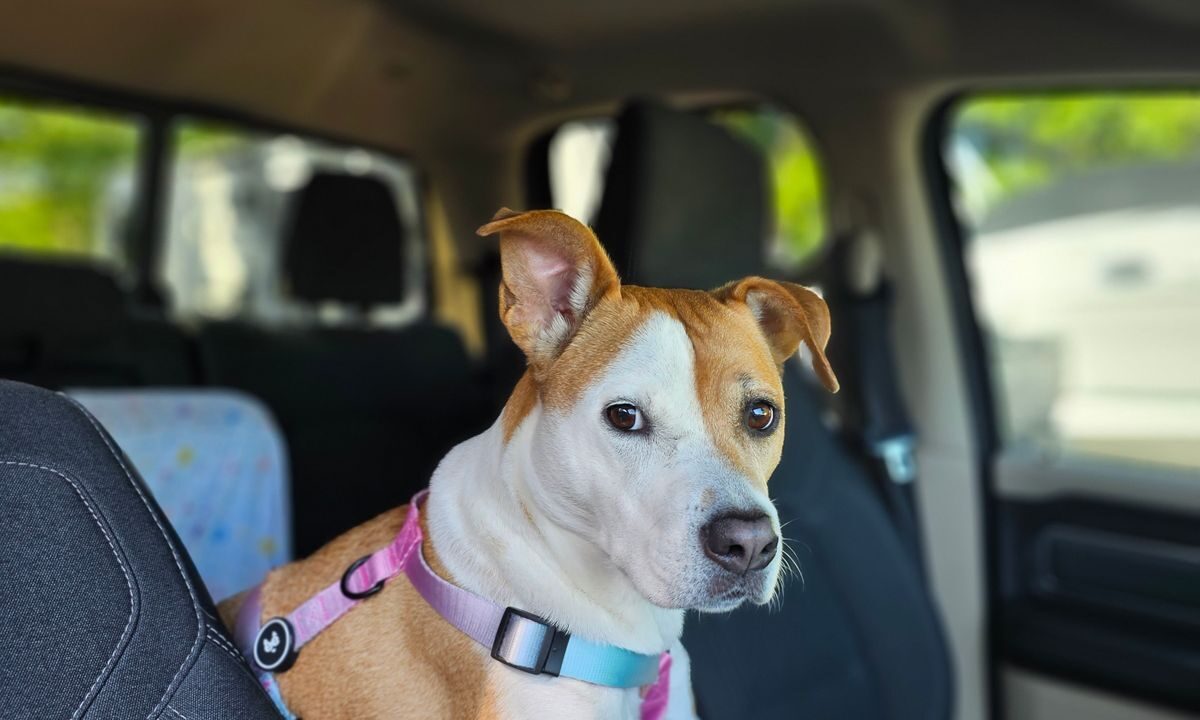
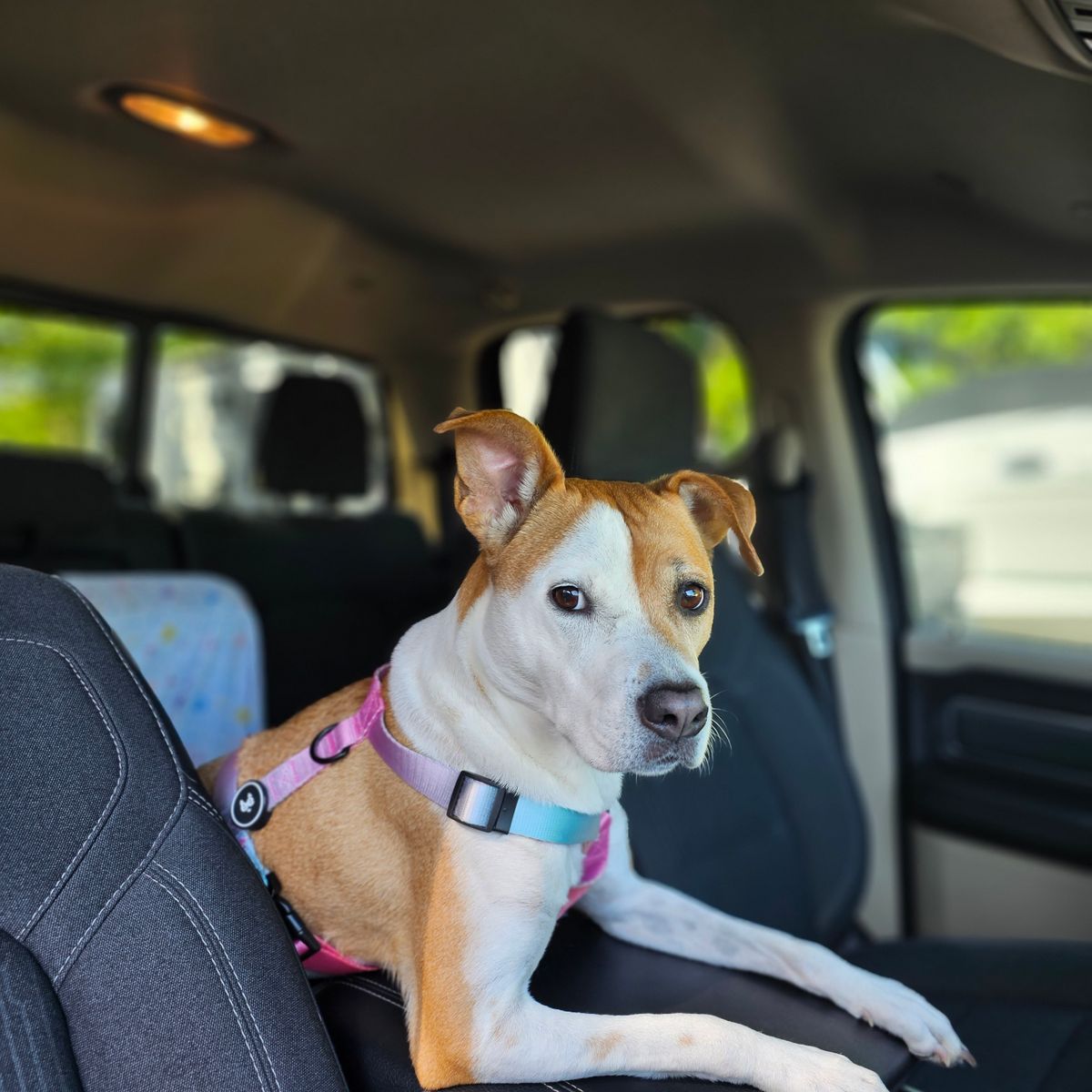
Dog car safety starts before the engine turns on
A dog riding loose in a vehicle can distract the driver, interfere with controls and be thrown during sudden braking or a collision. A safer plan has three parts: secure the dog, control heat and stress, and make sure the dog is physically ready for the trip.
The Center for Pet Safety has published independent crash-test research showing that not every harness or crate marketed for travel performs the same way in an impact. That is why “seat-belt compatible” and “crash tested” should not be treated as interchangeable claims.
Quick car-travel readiness check
If you want to turn this checklist into an interactive pre-trip review, use the Dog Car Travel Readiness Checker. It flags practical blockers without pretending to provide veterinary clearance or a crash-safety score.
Swipe horizontally to view the full table.
| Question | If the answer is no |
|---|---|
| Is the dog secured with a suitable vehicle restraint or properly anchored travel crate? | Fix restraint before driving. |
| Can the dog lie, sit and breathe comfortably in the setup? | Recheck fit or crate size. |
| Is the car cool before loading the dog? | Cool the cabin first. |
| Has the dog practiced short journeys without panic or vomiting? | Build tolerance gradually. |
| Are ID tag and microchip details current? | Update them before longer travel. |
| Do you know where you can stop safely? | Plan breaks before departure. |
Choose restraint for the actual trip
A properly fitted vehicle harness or a secured crate can reduce movement and distraction. A restraint should attach according to the manufacturer’s instructions and should never rely on a tether clipped to a neck collar.
If using a crate, secure the crate so it cannot slide freely through the cargo area. Wire cages may be useful for containment, but independent testing has shown that containment alone does not guarantee crash protection. If collision protection matters to you, look for products with transparent test methods rather than vague marketing language.
Fit matters as much as the product label
A harness that is too loose may allow excessive movement, while one that is too tight can restrict normal breathing or movement. Check fit before the first long journey and recheck it as puppies grow, coats change, or body weight changes.
With crates, the dog should be able to lie down and reposition comfortably without the crate being so oversized that the dog is thrown a long distance inside it during sudden movement.
The back seat is usually safer than the front
Front-seat airbags are designed for people and can injure a dog. In most passenger vehicles, the rear seating area or an appropriately secured cargo space is the more practical place for a restrained dog.
Do not allow a dog to ride on the driver’s lap, roam between seats or stand with its front half out of a window. Wind-blown debris can injure the eyes, and a sudden stop can turn a normal posture into a serious injury.
Heat is the danger that owners most often underestimate
A parked vehicle can become dangerously hot very quickly even when the weather outside feels manageable. Dogs cool mainly by panting and are less efficient at shedding heat than people.
Never leave a dog unattended in a warm vehicle while you “just run inside.” For a deeper emergency guide, use PetsFilled’s dog heatstroke guide.
Pre-cool the car
On hot days, cool the cabin before putting the dog inside. Air-conditioning should be working before loading a brachycephalic dog, senior dog, overweight dog or a dog with heart or respiratory disease.
Sun through glass can heat one side of a crate even when the front seats feel comfortable. Check the dog’s actual location, not only the dashboard temperature.
Cold weather can also be uncomfortable
Winter travel can create different problems: cold cargo areas, icy rest stops and sudden temperature changes. Small, thin-coated, senior and medically fragile dogs may need extra protection during loading and breaks.
Do not assume a car is comfortable simply because the driver is wearing a coat and the heater is on.
Acclimate dogs that fear the car
A dog that pants, drools or trembles in a stationary cool vehicle may be anxious rather than overheated. Begin with the car parked and off. Reward calm entry and exit. Then practice sitting in the car, starting the engine, moving a short distance and returning home.
Do not make the first training journey a two-hour trip. Gradual exposure works better when the dog can remain under threshold.
Motion sickness can look like anxiety
Drooling, lip licking, repeated swallowing, nausea and vomiting can occur with motion sickness. Some dogs become anxious after several unpleasant trips because the car predicts nausea.
If vomiting is frequent, speak with your veterinarian before long travel. Feeding a very large meal immediately before departure can make some dogs more uncomfortable, but diet timing should be adjusted around the individual dog’s medical needs.
Plan toilet and movement breaks
Long trips are easier when stops are planned rather than improvised. Use a secure leash or harness before opening a door. A dog that is normally reliable can bolt in an unfamiliar service area.
Offer water regularly and allow calm movement. Do not turn every break into strenuous exercise, especially during warm weather.
Never open a crate into an unsecured space
At rest stops, hotels and destinations, think about the sequence before opening doors. Attach the leash while the dog is still contained if the setup allows it, or move into a secure enclosed space first.
This small habit prevents a surprising number of escape risks.
Bring a travel kit that solves predictable problems
- water and a familiar bowl;
- regular food and any prescribed medication;
- waste bags;
- a spare leash;
- a recent photo of the dog;
- vaccination or health records when needed;
- clean-up materials;
- a basic first-aid kit;
- emergency veterinary contact details for the destination.
Update identification before leaving home
A visible ID tag and registered microchip serve different purposes. Check both before travel. A microchip is useful only if the registry has current contact information.
If you are moving or travelling internationally, make sure the phone number and email attached to the record will still reach you.
Hotels and destinations need verification
“Pet-friendly” can still mean restrictions on size, number of animals, unattended pets or specific areas of the property. Verify the current policy directly before departure.
The AVMA travel guidance also emphasizes preparing health records and considering whether travel is appropriate for the individual pet.
Medication is not a substitute for acclimation
Some dogs need veterinary help for motion sickness or severe travel anxiety, but medication should be discussed with a veterinarian rather than borrowed from another pet or used as the only plan. A dog that panics in the car still benefits from gradual positive exposure where practical.
Road-trip tool: stop, continue or change the plan?
Continue if the dog is calm, breathing normally, drinking, and recovering well after stops.
Change the plan if the dog is repeatedly vomiting, unable to settle, overheating, refusing water for an unusual length of time or showing worsening anxiety.
Stop and seek veterinary help for collapse, severe breathing difficulty, suspected heatstroke, major trauma, seizures or another rapidly worsening sign.
Arrival should be low-pressure
After a long drive, give the dog a quiet toilet and sniffing break before introducing a crowded lobby, relatives, children or unfamiliar animals. Familiar bedding or a mat can help create a predictable resting place.
For the broader framework that connects travel with preventive care, feeding, exercise and household safety, use the Dog Care Guide.
The practical bottom line
Safer car travel is not about buying one accessory. Secure the dog, keep the cabin comfortable, build travel tolerance gradually, plan stops and prepare for escape or illness before they happen. The safest setup is the one that keeps the dog controlled without compromising breathing, comfort or emergency access.


0 comments