
Reverse Sneezing in Dogs: What It Looks Like and When to Worry
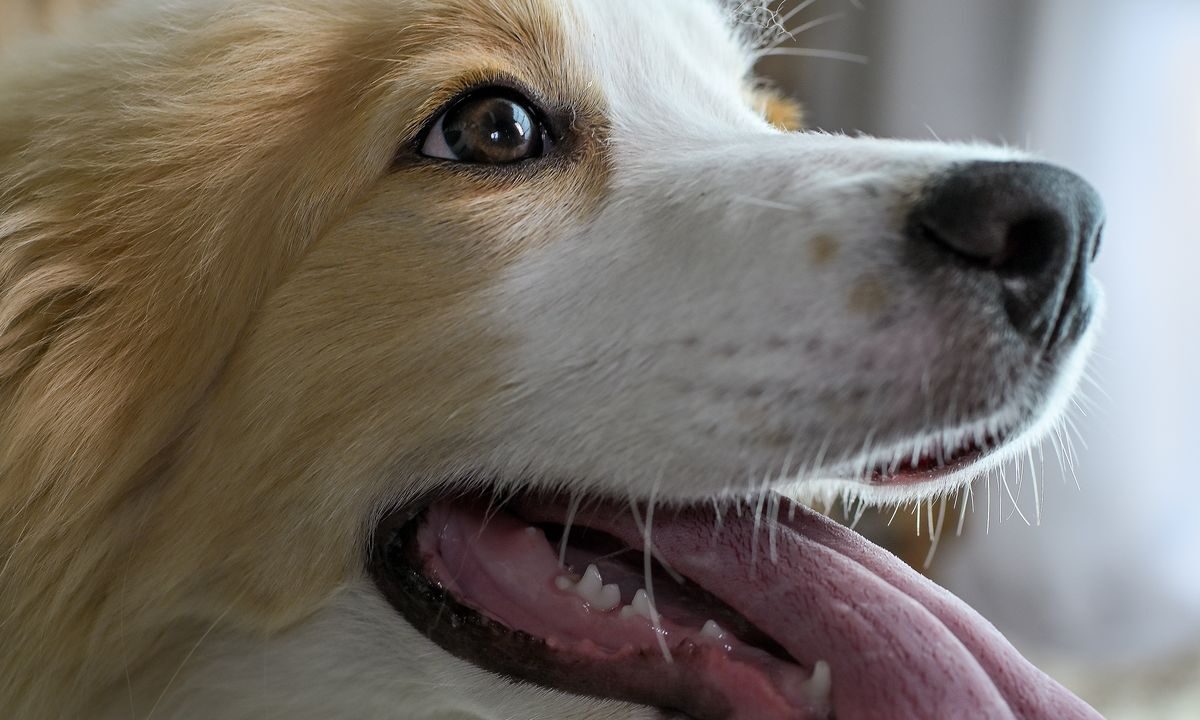
A reverse sneeze can look frightening the first time you see it. A dog may suddenly stand still, extend the neck and make rapid snorting or gasping inhalations through the nose. In many otherwise healthy dogs, the episode ends within seconds and the dog immediately returns to normal.
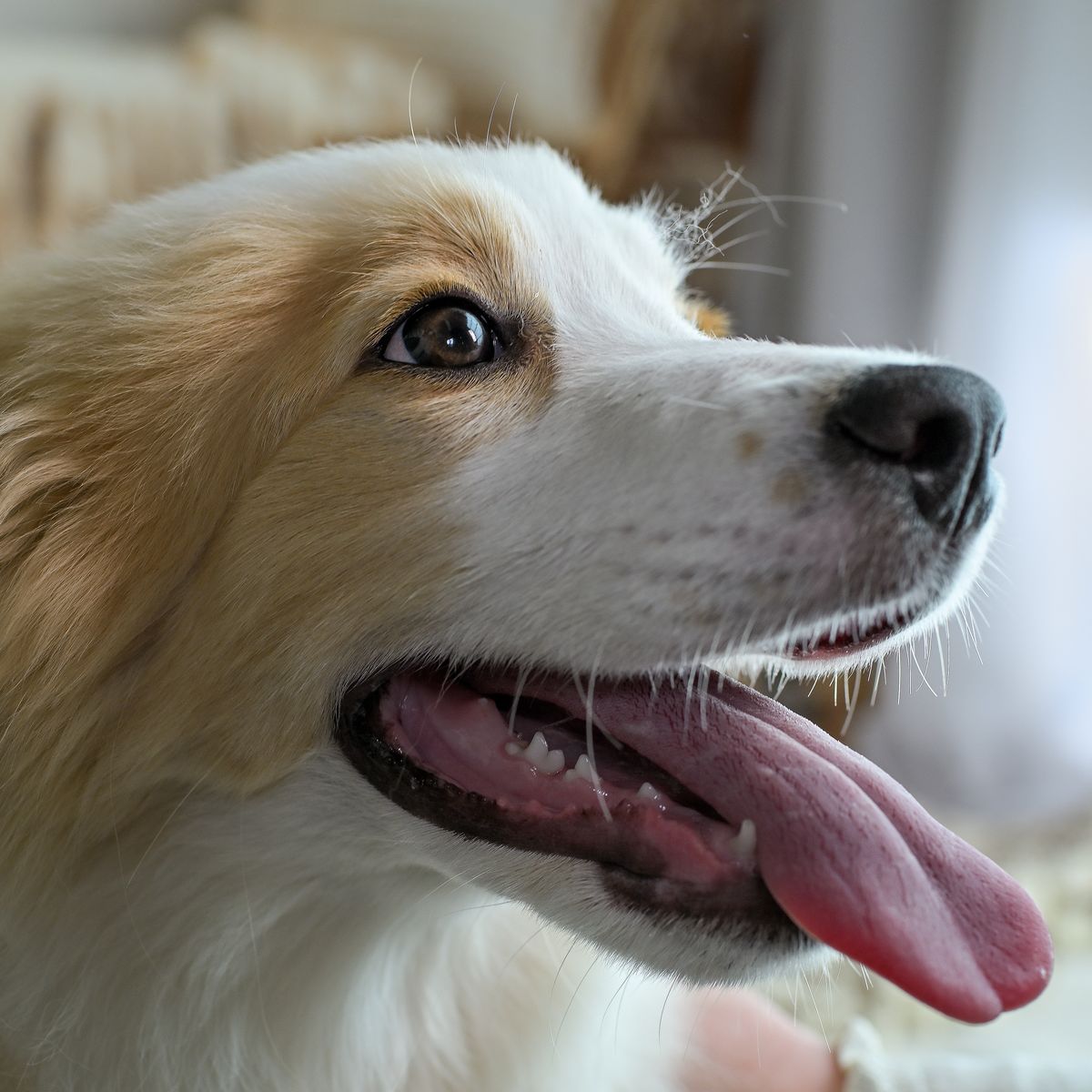
What is reverse sneezing?
The American Kennel Club describes reverse sneezing as a spasm-like respiratory response involving rapid repeated inhalations. Irritation around the nasal passages, throat or sinuses is one suspected trigger.
What an episode usually looks like
- sudden repeated inward snorts;
- neck extended forward;
- dog remains standing or braced;
- episode is brief;
- normal behavior resumes afterward.
Possible triggers
Dust, pollen, excitement, strong odors, pulling against a collar or another source of upper-airway irritation may precede an episode. Some small and short-nosed dogs seem to experience reverse sneezing more often, but any dog can do it.
What owners should record
If episodes recur, take a short video when it is safe and note frequency, duration, activity immediately beforehand and whether there is nasal discharge, coughing or exercise intolerance. A video can help a veterinarian distinguish reverse sneezing from coughing, choking, tracheal collapse or other respiratory sounds.
When to schedule a vet exam
Arrange veterinary assessment if the episodes are new and frequent, last unusually long, are accompanied by coughing or nasal discharge, occur with poor exercise tolerance, or the dog seems unwell between events.
When it is an emergency
True breathing difficulty is different. Blue or gray gums, collapse, sustained open-mouth breathing, severe weakness or inability to recover normally requires urgent veterinary care.
Do not automatically treat every snort
Reverse sneezing itself does not mean the dog needs antibiotics, antihistamines or cough medicine. Treatment depends on whether a veterinarian identifies an underlying condition.
For other sudden behavior or body changes worth documenting, see our sudden fear episode guide. For general respiratory and outdoor-safety planning, use our outdoor dog safety checklist.
Reverse sneeze, cough or choking?
Reverse sneezing is an inward snorting episode. A cough is usually an outward expiratory sound, while choking may involve frantic pawing at the mouth, gagging or inability to move air. Because videos are easier to compare than written sound descriptions, record an episode when the dog is otherwise safe.
Why frequency matters more than one dramatic event
A brief isolated reverse sneeze in a dog that immediately returns to normal is different from repeated episodes every day, worsening intensity or respiratory signs between episodes. A pattern change is useful clinical information even if each individual event is short.
Collar pressure and excitement
If episodes repeatedly occur while pulling on a neck collar, discuss whether a well-fitted harness would be more comfortable. This is not a treatment for every case, but reducing avoidable throat pressure can be sensible while the cause is assessed.
Most brief episodes are self-limiting
A typical reverse-sneezing episode often stops on its own within seconds to a minute or two. Stay calm and observe rather than immediately assuming the dog is choking. What matters most is whether the dog returns fully to normal afterward.
Repeated episodes deserve pattern tracking
Write down how often they occur, whether they cluster during pollen season, after excitement, after drinking or while pulling on a collar. A pattern can help your veterinarian decide whether upper-airway irritation, allergy or another cause deserves investigation.
Nasal discharge changes the picture
Clear discharge after irritation is different from persistent one-sided discharge, blood or thick mucus. Those signs can point toward inflammation, infection, a foreign body or another nasal problem rather than simple reverse sneezing alone.
Exercise intolerance is not typical
A dog that tires unusually quickly, coughs during walks or struggles to recover between episodes needs a broader respiratory and cardiac assessment. Reverse sneezing should not be used to explain every abnormal breathing sound.
Short-nosed dogs need extra caution
Brachycephalic breeds may have several upper-airway issues at once. If a short-nosed dog has noisy breathing at rest, heat intolerance or frequent distress, ask the veterinarian whether airway anatomy needs further evaluation.
Foreign material can mimic or trigger episodes
Grass awns, dust and other irritants can affect the nasal passages. Sudden frequent episodes after outdoor exploration, especially with sneezing or pawing at the nose, deserve veterinary attention.
Do not repeatedly manipulate the throat
Some traditional advice suggests rubbing or briefly covering the nostrils, but not every dog tolerates this and it is unnecessary for many brief episodes. Calm observation is safer when the dog is otherwise breathing normally.
Use video to separate similar-sounding events
Owners often describe coughing, gagging, choking and reverse sneezing with the same words. A short video can give the veterinarian far more useful information than a written description of the sound alone.
Check what happens immediately afterward
A dog that returns to normal breathing, walking and behavior after a brief episode is different from one that remains weak, coughs repeatedly or seems distressed. Recovery quality is part of deciding how urgent the problem may be.
Frequency changes matter
A dog that has one episode every few months may not need the same workup as a dog suddenly having several episodes every day. Record changes in frequency rather than focusing only on how dramatic one event looks.
One-sided nasal signs deserve extra attention
Persistent discharge or bleeding from one nostril, pawing at one side of the face or repeated sneezing after outdoor exposure can raise concern for a foreign body or another nasal problem.
Air quality can influence irritation
Smoke, aerosol sprays, strong fragrances and heavy dust may irritate the upper airway. Reducing avoidable irritants is sensible while recurrent episodes are being assessed.
Keep a short record of episode length, frequency and what happened immediately beforehand. That pattern can help distinguish an occasional event from a change that deserves closer assessment.
If the dog does not return to normal breathing and behavior after the event, seek veterinary advice promptly.
Normal behavior between episodes is reassuring but still worth documenting
If the dog eats, walks, sleeps and breathes normally between brief events, that is useful context for the veterinarian. A change from that baseline—such as ongoing cough, nasal discharge or reduced stamina—makes the pattern more important.
Do not confuse reverse sneezing with sustained breathing trouble
Reverse sneezing is usually brief and self-limited. Continuous labored breathing, blue or gray gums, collapse or inability to settle is a different situation and requires urgent veterinary care.
Keep environmental triggers in mind
If episodes repeatedly follow heavy dust, fragrance, smoke or seasonal pollen exposure, reduce those irritants where practical and include that pattern in the veterinary history.
If episodes become longer, more frequent or are followed by cough, discharge or reduced stamina, arrange a veterinary assessment rather than continuing to label every event as harmless reverse sneezing.
Record whether the dog returns fully to normal afterward, because incomplete recovery changes how urgently the pattern should be assessed by your veterinarian, especially when episodes are increasing in frequency or duration over time too.
What not to do during an episode
Do not force objects into the mouth, pour water into the throat or administer human respiratory medication. Keep the dog calm, observe breathing and allow the episode to finish unless true respiratory distress develops.

0 comments