
Dogs and Babies: Safe Introductions, Supervision and Daily Routines
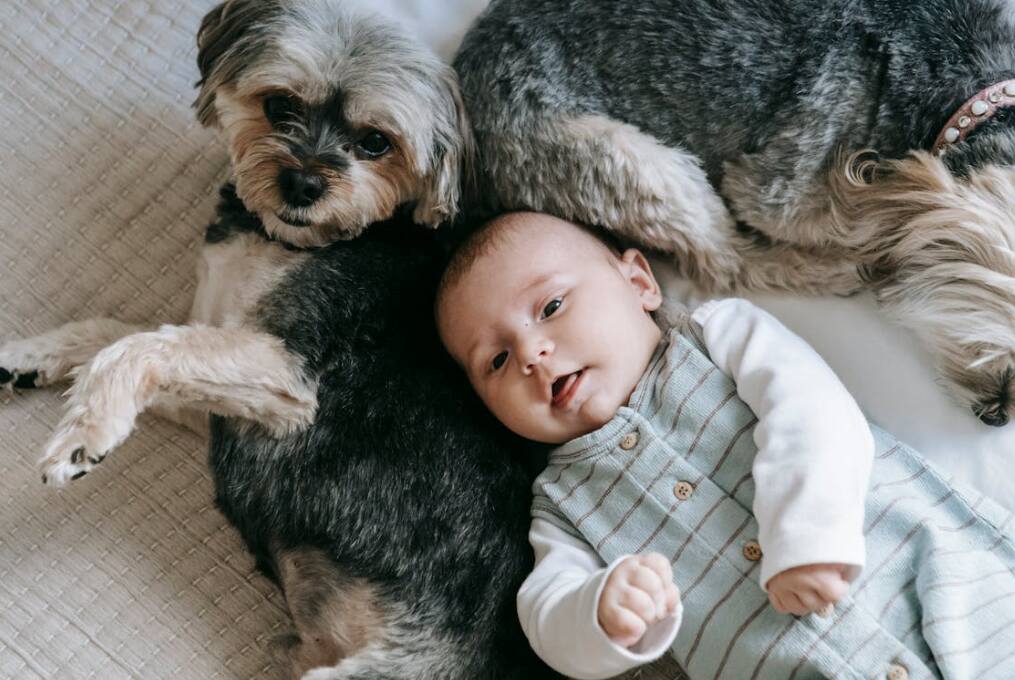
Bringing a baby home changes the household before the child ever crawls. New sounds, unfamiliar smells, visitors, equipment, interrupted sleep and a different daily schedule can all affect a dog. The safest approach is not to hope the dog “understands” what is happening. It is to prepare gradually, manage access and supervise every interaction.
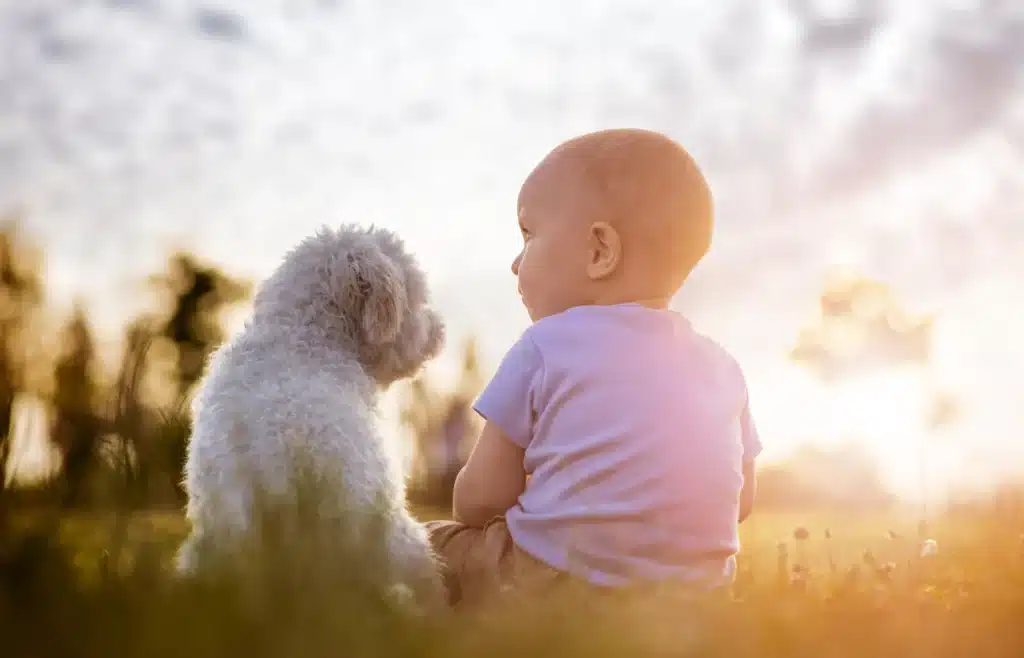
A good dog-and-baby plan is usually quiet and practical. It relies on gates, routines, distance, reward-based training and an adult who is actually watching. The goal is not to manufacture a perfect first meeting. The goal is to build months and years of safe coexistence.
The most important rule: active adult supervision
The CDC advises supervising young children around dogs, including family dogs. “Supervision” means an alert adult is close enough to interrupt the interaction immediately. A person asleep on the sofa, cooking in another room or absorbed in a phone is not actively supervising.
If you cannot watch both dog and child, separate them. A securely installed baby gate, closed door, exercise pen or dog-only room can prevent problems before they start. Separation is not a failure. It is one of the most useful tools in a safe household.
Prepare before the baby arrives
Dogs cope better when major routine changes happen gradually. If sleeping arrangements, walking times, furniture access or room access will change after the birth, introduce those changes beforehand when possible.
Useful preparation includes refreshing calm, reward-based skills such as going to a mat, waiting at doors, coming when called and leaving an item when asked. Our reward-based puppy training guide covers the same foundation skills even if your dog is already an adult.
Create at least one comfortable place where the dog can rest without being followed. This might be a gated room, bed behind a barrier or open crate the dog already likes. The important part is that adults protect the space. A dog should not have to defend a bed or hide under furniture to escape interaction.
Introduce baby equipment before it becomes important
Strollers, bassinets, swings, baby gates and new furniture can be strange to a dog. Let the dog investigate new equipment at a comfortable distance. Reward calm behavior and avoid forcing the dog to approach.
If you plan to walk the dog beside a stroller, practise before the baby arrives. Start in a quiet area with the empty stroller, keeping the dog on the side where you have the most control. A dog that pulls, lunges or becomes highly excited may need separate walks until leash skills are more reliable.
The first meeting does not need to be close
There is no requirement for a dog to sniff a newborn’s face, lick the baby’s feet or pose beside the infant. A safe introduction can happen at a distance. One adult can manage the dog while another holds the baby, rewarding relaxed behavior without drawing the dog closer than it wants to be.
If the dog looks away, moves back, sniffs the floor or leaves, allow that choice. Calm disengagement is useful behavior. Forcing proximity can remove the dog’s safest option: creating distance.
Learn the dog’s early stress signals
Dogs often show discomfort before a growl or snap. Signals can include turning the head away, avoiding eye contact, licking the lips, yawning when not tired, lowering the body, showing the whites of the eyes, moving away, hiding, freezing or suddenly becoming very still.
No single signal proves that a bite is about to happen, but a cluster of stress signals tells you the dog needs more space. End the interaction rather than testing the dog’s tolerance.
If the dog growls, do not punish the warning. A growl communicates discomfort. Punishment may stop the sound without changing the underlying emotion. The American Veterinary Society of Animal Behavior supports humane, reward-based training rather than aversive methods.
Use barriers before you think you need them
Management works best when it is routine rather than emergency-only. A gate can allow the dog to see and hear the family while preventing accidental contact. Pair the dog’s side of the barrier with a bed, water and an appropriate chew or food toy so the area becomes a predictable resting place.
Do not rely on a child to “leave the dog alone.” Babies and toddlers do not have the impulse control to follow safety rules consistently. Adults must control access.
The risk changes when the baby becomes mobile
A newborn in an adult’s arms is very different from a crawling child who can move directly toward a dog. Crawling, squealing, falling, grabbing and chasing can be stressful even for a dog that was calm around the baby months earlier.
- Do not allow climbing, hugging, riding or pulling on the dog.
- Keep children away from the dog’s food, chews and high-value toys.
- Protect the dog’s sleeping area.
- Prevent chasing in either direction.
- Do not let a child corner the dog against furniture or a wall.
- Separate during high-energy play, visitors or meal preparation if the household is chaotic.
Food, toys and guarding deserve special planning
Many avoidable incidents happen around valued resources. Feed the dog in a child-free area. Pick up long-lasting chews before the child is nearby. If the dog stiffens, hovers, growls or guards food or objects, do not try to “prove” that the dog should tolerate interference.
Instead, prevent access and seek professional help. Resource guarding is a behavior problem that should be managed thoughtfully, not tested around a child.
Keep the dog’s routine realistic
New parents are exhausted, and the dog’s schedule may become less predictable. Try to protect a few reliable anchors: regular toilet breaks, meals, rest and some form of daily enrichment or exercise.
Exercise does not have to mean a long outing every day. A sniff walk, five minutes of training, a food search or a calm puzzle activity can help. Our DIY dog enrichment guide includes low-cost options for days when leaving the house is difficult.
Do not try to “wear the dog out” constantly
Arousal and tiredness are not the same as calmness. Some dogs become more frantic when they are repeatedly stimulated without enough rest. Build quiet periods into the day, especially after visitors, walks or exciting household activity.
What if the dog is jealous of the baby?
“Jealous” may be a convenient human description, but it is more useful to look at observable behavior. Is the dog pushing between people, barking when the baby is held, pacing, stealing objects, guarding a person or unable to settle?
Respond to the specific behavior. Reward calm alternatives, manage the environment and avoid creating competition for attention. A dog does not need equal attention every minute; it needs predictable care and safe ways to succeed.
When professional help is appropriate
Seek veterinary or qualified behavior support if the dog repeatedly freezes, growls, snaps, lunges, guards, shows intense fear, cannot settle near normal baby activity or has any history of biting. Pain and illness can reduce tolerance, so sudden behavior change should also prompt a veterinary check.
For a dog that has already bitten or made a serious bite attempt, immediate separation is appropriate until an individualized plan is in place. An online article cannot safely assess that dog’s risk.
What about dogs that have always loved children?
A history of friendly behavior is reassuring, but it is not a substitute for supervision. Children move unpredictably and each stage of development introduces new behavior. A dog may be comfortable with a quiet infant but uncomfortable with a toddler who runs, falls or reaches for food.
Think of safety as dynamic. Reassess the setup when the baby starts rolling, crawling, pulling up, walking and interacting more deliberately.
A practical daily routine
One workable pattern is to give the dog exercise or sniffing time early, then provide a calm resting area during busy baby care. Use gates during floor play. Offer the dog a measured food toy when the child is eating or adults are occupied. Later, include the dog in calm family time while an adult supervises.
This kind of routine is not dramatic, and that is the point. Safe households often succeed because they make good management boring and automatic.
Bottom line
Dogs and babies can live successfully together, but safety should never depend on a dog’s breed label, past friendliness or an adult’s confidence that “nothing will happen.” Prepare the dog gradually, use physical barriers, respect stress signals, protect rest and resources, and supervise actively. As the child becomes more mobile, increase management rather than relaxing it.



0 comments