
Dog Bite Risk by Breed: What the Data Can and Cannot Tell You
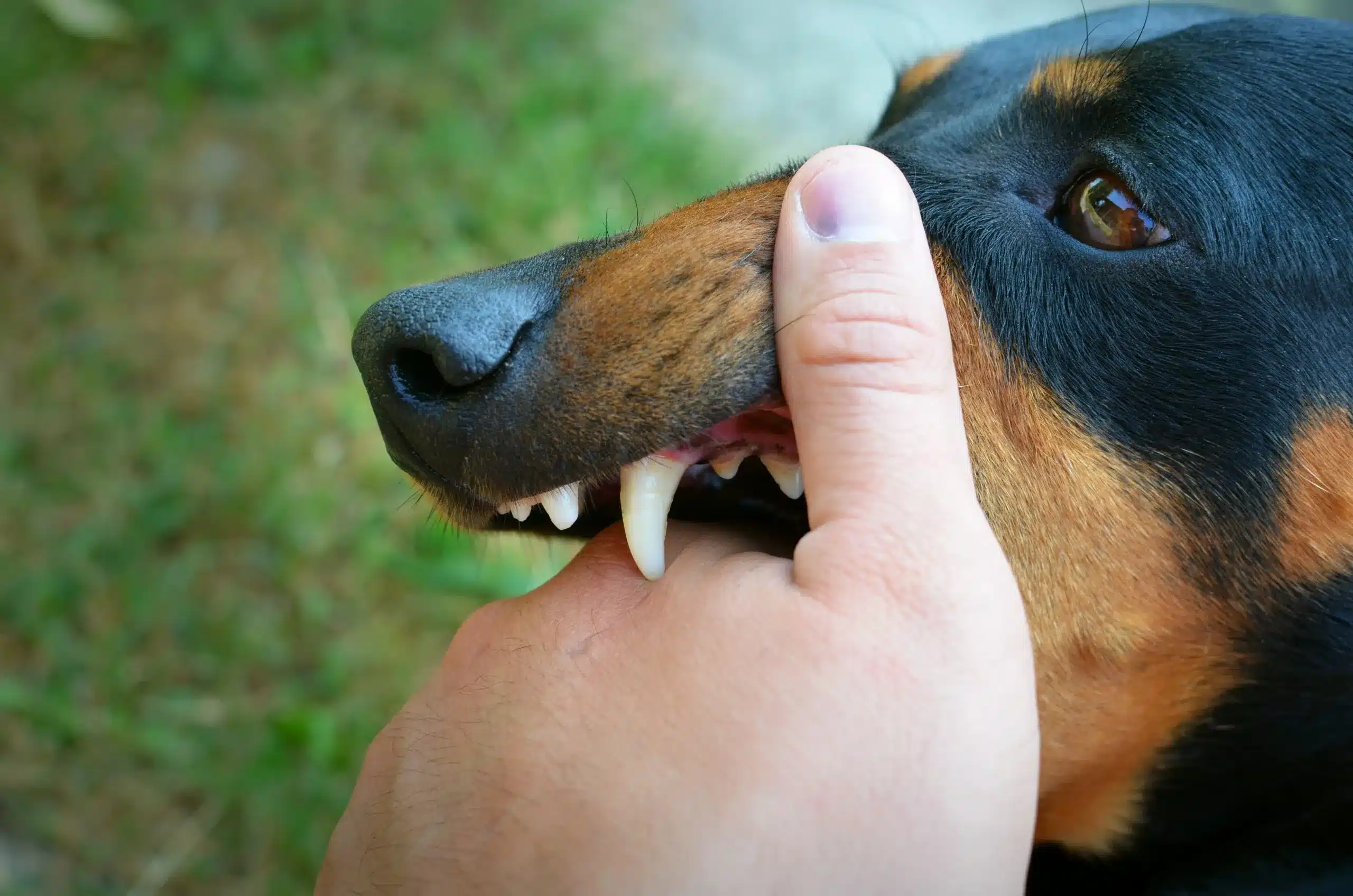
People often search for a list of dog breeds with the “highest bite rates,” but reliable breed-by-breed rates are difficult to calculate. A meaningful rate would require accurate identification of the biting dog, complete reporting of bite events and a trustworthy count of how many dogs of each breed are present in the population. Those conditions are rarely met.
Why breed bite-rate tables are easy to overstate
The American Veterinary Medical Association has explained several limitations: breed may be recorded incorrectly, mixed-breed dogs may be assigned a breed based on appearance, many bites are never reported, and communities often do not know the true population of each breed. Raw incident counts therefore cannot tell you the probability that an individual dog will bite.
Severity and frequency are different questions
A larger, stronger dog may be capable of causing more severe injury if a bite occurs. That does not automatically establish that the breed has a higher probability of biting. Articles that mix injury severity, fatality reports, shelter intake data and bite frequency can produce misleading “dangerous breed” rankings.
Individual behavior and context matter
Bite prevention works better when owners focus on observable risk factors and situations:
- fear, pain or illness;
- resource guarding;
- being cornered or restrained;
- rough handling or punishment;
- unsupervised child–dog interaction;
- high arousal around visitors, gates or fences;
- a history of threatening or biting behavior;
- poor management in situations the dog cannot cope with.
Children need active adult supervision
The CDC advises not to let young children play with dogs without supervision, including the family’s own dog. Children may miss subtle stress signals and can unintentionally corner, hug, climb on or disturb a dog that wants space.
Our dogs and babies guide covers household barriers and supervision in more detail.
Learn early stress signals
Before a growl or snap, a dog may turn away, lick the lips, lower the head, freeze, try to hide, avoid eye contact or attempt to leave. These behaviors do not guarantee a bite will happen, but they are useful signs that the interaction should become easier and more distant.
Do not punish warnings
Punishing a growl can suppress a valuable warning without resolving the dog’s discomfort. Increase distance and address the cause. Veterinary behavior organizations recommend reward-based methods rather than aversive training.
What if a dog has already bitten?
Use immediate management to prevent another incident. Separate the dog from the triggering situation, follow medical and public-health guidance for the injured person, and contact a veterinarian. Depending on the circumstances, the veterinarian may recommend a qualified behavior professional for a structured risk assessment and management plan.
Do not rely on an online breed label to decide that a specific dog is safe or dangerous.
Safer questions than “Which breed bites most?”
- How does this individual dog respond to handling, strangers, children and other animals?
- Does the dog have a known bite or guarding history?
- Can the household reliably use gates, leashes and separation when needed?
- Are pain or medical conditions affecting behavior?
- Does the dog recover after stress, or remain highly aroused?
- Can the family provide reward-based training and appropriate exercise?
Sources and further reading
- CDC: Dogs — Bite Prevention
- AVMA: Dog Bite Prevention
- AVSAB: Position Statements on Humane Training and Behavior
This article does not assess the risk of an individual dog. A dog with concerning aggression or a bite history needs individualized professional evaluation and management.



0 comments