
Australian Shepherd Guide: Energy, Herding Behavior and Owner Fit

Australian Shepherds can be rewarding companions for people who genuinely enjoy training and active routines. Their intelligence does not make them self-managing. Many Aussies notice movement quickly, learn patterns fast and need constructive outlets for herding-breed behavior.
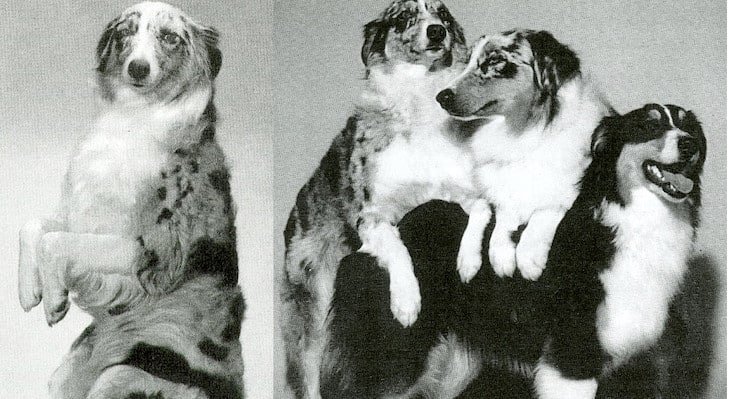
What owners often underestimate
- Mental work matters. Repetitive physical exercise alone can create a fitter dog without improving settling.
- Movement can trigger chasing. Children, bicycles, runners and other animals may attract herding behavior.
- They notice everything. Alert barking and environmental sensitivity can become household issues without thoughtful management.
- Adolescence can be intense. Early puppy responsiveness does not mean training is finished.
A useful daily balance
Combine walks and free movement with sniffing, short training sessions, food-search games and genuine downtime. An Australian Shepherd should learn how to settle as well as how to work.
Socialization without flooding
Expose puppies gradually to people, surfaces, sounds and environments while allowing distance. The goal is calm familiarity, not forcing greetings with every stranger or dog.
Health screening
Responsible breeders should follow breed-club recommendations for hips, eyes and other hereditary concerns relevant to their lines. Ask for records.
Is this breed right for you?
An Aussie can fit an active home, sport household or working environment. People seeking a low-input companion should consider whether another breed or individual adult dog better matches their routine.



0 comments