
Giant Dog Breeds: Size, Cost, Health and Everyday Life

A giant dog can be wonderfully calm in the home, but size affects nearly every practical part of ownership. Before choosing the tallest or heaviest breed, consider transport, stairs, feeding, medication costs, training and how you would move an injured dog.
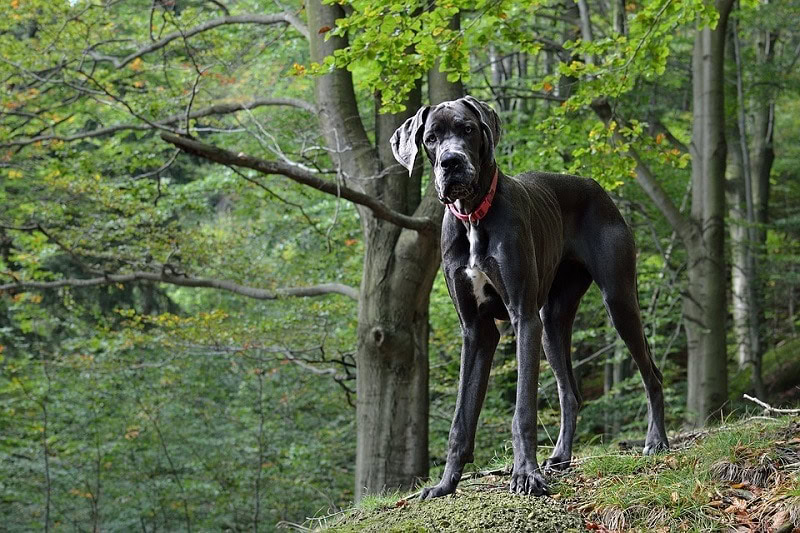
Examples of giant breeds
Great Danes, Irish Wolfhounds, Saint Bernards, Newfoundlands, Mastiffs and Leonbergers are among the breeds commonly considered giant. Their body shapes and original jobs differ, so “giant” is a size category, not a shared temperament.
The hidden logistics
- Car travel: can the dog fit safely in your vehicle?
- Stairs: what happens if an older 140-pound dog cannot climb them?
- Veterinary care: anesthesia, medication and procedures can cost more at higher body weights.
- Boarding: not every facility can accommodate giant dogs.
- Training: polite leash and handling skills become essential.
Growth must be managed carefully
Giant-breed puppies should grow steadily rather than as fast as possible. Feed a complete diet appropriate for large-size growth and avoid excess calories.
Health planning
Orthopedic disease, heart conditions and gastric dilatation-volvulus are important concerns in several giant breeds. Risk differs by breed and family line, so use breed-club health recommendations when evaluating a breeder.
Children and fragile adults
A friendly giant can still knock someone over accidentally. Supervision and household manners matter even when the dog’s temperament is social.
Related guide
Our large companion dog guide focuses on matching household needs rather than ranking size.

0 comments