
How to Choose a Dog Breed That Fits Your Lifestyle

Choosing a dog by appearance alone is one of the easiest ways to create a mismatch. Breed history can help predict broad tendencies, but the better question is: what kind of daily life can your household realistically provide?
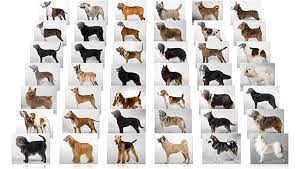
Make your household profile first
- How much exercise can you provide every day?
- How much barking can your housing tolerate?
- How much grooming can you do or pay for?
- Are there children, cats, small pets or other dogs?
- How often is the dog likely to be alone?
- Can you manage a very large or physically strong adolescent?
Then research breed purpose
Herding breeds may notice and chase movement. Terriers may have strong prey drive. Livestock guardians can be independent and territorial. Retrievers may be social and mouthy. These are tendencies, not guarantees, but they help explain what everyday behavior may look like.
Adult dogs can be easier to match
With an adult rescue dog, size is known and some aspects of temperament may already be observable in foster care. A puppy offers more developmental influence but also more uncertainty.
Health belongs in the decision
Research breed-specific hereditary conditions and ask for appropriate screening when buying from a breeder. Extreme body shapes can also create predictable welfare and veterinary considerations.
Do not search for “best” without defining best
The best dog for a runner may be exhausting for a sedentary apartment household. The best dog for a multi-pet home may be very different from a livestock guardian. Fit is the outcome, not a ranking.



0 comments