
Cat Adoption Near Me: How to Find and Evaluate a Local Match
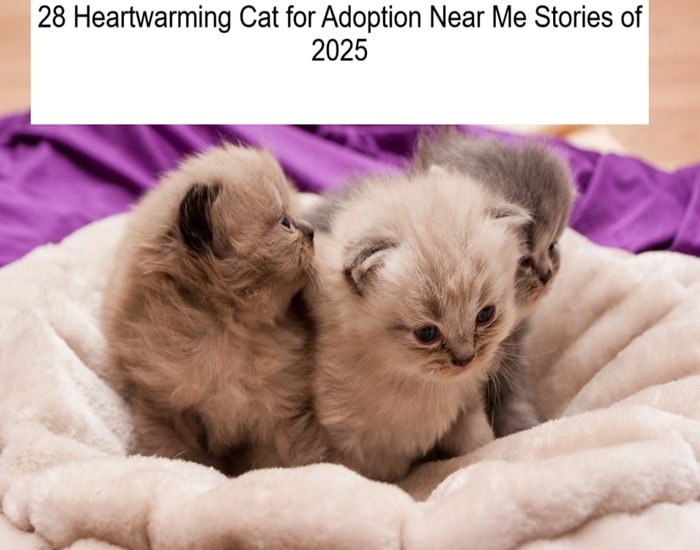
Searching for “cat adoption near me” is the beginning, not the decision. A nearby cat may be a good match, but the better fit depends on age, confidence, medical needs, other pets and what the shelter or foster home has observed.
Start with verified local sources
Use municipal shelter websites, established humane organizations or adoption directories such as Petfinder. Then open the organization’s official page and confirm its contact details before applying or paying a fee.
Ask about the individual cat
- How does the cat respond to unfamiliar people?
- Has it lived with cats, dogs or children?
- Does it use the litter box consistently in foster or shelter care?
- What veterinary care has already been completed?
- Is the cat taking medication or eating a special diet?
Do not choose only by age or color
A confident adult cat may settle faster than a shy kitten. A senior cat may fit a quiet household better than a high-energy adolescent. Meet the animal and discuss routine, not just appearance.
Prepare one safe room
Set up food, water, litter, hiding places, scratching and a resting area before arrival. Let the cat explore gradually rather than immediately opening the entire home.
Budget beyond the adoption fee
Litter, food, carrier, veterinary care, parasite prevention, dental care and emergencies continue after adoption. Our pet cost guide can help with planning.
Use local search to build a shortlist, not to choose the cat
Search results can help you find shelters, municipal animal services, humane societies and rescue groups nearby. The final decision should come from the individual cat’s history, health information and fit with your household—not from which listing appears first.
Verify the organisation before sending money
Open the shelter or rescue’s official website, confirm its physical location or operating details, review adoption policies and make sure payment instructions match the organisation you contacted.
Be cautious with social-media-only sellers or rescuers who pressure you to transfer money before you can verify the animal and organisation.
Read the cat’s profile critically
Words such as “sweet,” “shy,” “friendly” and “independent” are useful starting points but are not enough to predict fit. Ask what those descriptions look like in daily life.
For example: Does “shy” mean hiding for ten minutes around visitors or avoiding all handling? Does “friendly” mean lap-seeking or simply comfortable in the same room?
Ask about foster-home observations
Foster homes can often provide practical information about litter habits, play style, noise tolerance, appetite, grooming, handling and compatibility with other animals.
That real-world information may be more useful than a short shelter interaction where the cat is stressed.
Medical history should be part of the adoption conversation
Ask what veterinary care has already been completed, including vaccination, microchipping, parasite treatment, spay/neuter status, dental findings, medications and known diagnoses.
Request copies of records rather than relying only on a verbal summary.
Ask what the cat is eating now
Changing home and diet at the same time can make digestive upset harder to interpret. Take home enough of the current food to make a gradual transition if you plan to change diets later.
Litter habits matter before adoption
Ask which litter and box type the cat currently uses and whether there have been accidents. A clean record in foster care does not guarantee perfect behaviour after a move, but it gives you a useful baseline.
Match energy level to the household
A highly active adolescent may be a poor fit for a household wanting a calm companion. A senior cat may suit a quieter home but could need more medical monitoring.
Choose the lifestyle match rather than the age or appearance you imagined before meeting the cat.
Children require a behaviour match, not just a “good with kids” label
Ask whether the cat has actually lived with children and how it responds to movement, noise and handling. Children also need clear rules about allowing the cat to leave interactions.
Other pets need specific history
A cat that lived with one calm dog may not automatically accept every dog. Ask about the type of animal, introduction process and whether the relationship was genuinely relaxed or simply tolerated.
Prepare the home before collection day
Set up one starter room with food, water, litter, a safe hiding place, scratching surface and resting area. Cat Friendly Homes recommends giving a newly adopted cat its own resources and territory rather than immediately exposing it to the entire home.
Budget beyond the adoption fee
Include food, litter, carrier, scratching equipment, routine veterinary care, dental care, parasite prevention based on risk, medication if needed, and an emergency fund or insurance.
Watch for adoption scams
Warning signs include copied photographs, inconsistent details about the cat, refusal to provide records, pressure for immediate payment, requests for unusual payment methods and claims that transport fees keep increasing after you have already paid.
If something does not add up, pause and verify independently.
What to ask at the meeting
- What does a normal day look like for this cat?
- How does the cat respond to handling?
- What food and litter are being used now?
- Has the cat lived with children, cats or dogs?
- What veterinary care has been completed?
- Is medication or a special diet required?
- What behaviour has been observed in foster or shelter care?
- What is the return policy if the placement does not work?
Use reputable local search channels first
When searching “cat adoption near me,” start with organizations that can provide real records and a clear adoption process. The ASPCA shelter finder can help identify nearby shelters, while large adoption networks such as Petfinder explain what a normal adoption process looks like.
Ask about medical records before emotion takes over
A compelling photo should not replace basic due diligence. Ask about vaccination history, spay/neuter status, microchip status, parasite treatment, current medications and whether recent weight, dental or laboratory information is available.
Foster notes can be more useful than a short shelter meeting
A foster carer may know whether the cat sleeps beside people, hides from visitors, uses the litter box reliably, tolerates brushing or becomes stressed around dogs. Those real-world observations can make matching more accurate than a ten-minute introduction.
Do not over-interpret breed labels
Many rescue cats are domestic shorthair or longhair rather than documented pedigree breeds. Choose by health, personality and household fit rather than paying extra attention to a guessed breed description.
Think about the cat you can support for years
Kittens often need more supervision and play; adults may have more predictable personalities; seniors may need more medical monitoring but can be easier to match behaviorally. The “best” adoption is the one whose needs fit your actual schedule, budget and home.
Plan the first 72 hours before you collect the cat
Have one quiet starter room ready with food, water, litter, hiding, scratching and bedding. Keep the same food and litter initially where practical so every variable does not change at once.
Use the first week to establish a baseline
Track appetite, water intake, urine, stool, hiding, social behavior and play. A baseline helps you distinguish ordinary settling-in from a developing medical problem.
A local match is not automatically the right match
Distance is convenient, but compatibility matters more. It can be better to travel a little farther for a cat whose temperament and care needs fit your home than to adopt the closest available animal simply because it appears first in search results.
0 comments