
British Shorthair Cat Guide: Temperament, Grooming, Health and Fit
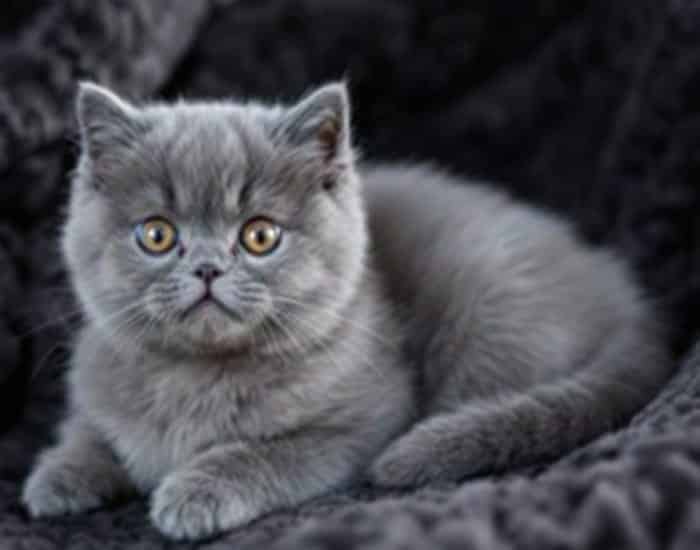
The British Shorthair is a sturdy, round-faced pedigree cat with a dense coat and calm reputation. “British Blue” refers to the familiar blue-gray color, but the breed occurs in many colors and patterns.

Temperament
Breed descriptions commonly characterize British Shorthairs as calm and affectionate without being especially demanding. Individual cats still vary, and not every cat will enjoy being carried or sitting on a lap.
Activity and weight
British Shorthairs are substantial cats, but a heavy build should not be confused with obesity. Daily play, measured feeding and body-condition monitoring help maintain a healthy weight.
Grooming
The dense short coat usually benefits from regular brushing, especially during seasonal shedding. Nail care, dental care and routine ear and skin checks should also be part of normal maintenance.
Health planning
If buying from a breeder, ask which health screening is recommended for the breed and request documentation. Pedigree registration and a veterinary examination are useful but do not replace hereditary-disease screening where relevant.
Home environment
Provide scratching surfaces, elevated resting areas, hiding places and interactive play. Calm does not mean a cat has no enrichment needs.
Before choosing a kitten
Meet the breeder or rescue, review veterinary records and consider whether your household suits the individual cat rather than choosing purely by coat color. Our responsible breeder guide covers buying questions.
Size, build and body condition
British Shorthairs are medium-to-large, heavily built cats with broad chests, rounded heads and dense coats. TICA lists adult females at roughly 8–11 pounds and males at roughly 10–16 pounds, but an individual cat should not be judged healthy or unhealthy from breed averages alone. A broad frame can hide gradual fat gain, so body-condition scoring is more useful than comparing a cat with a single “ideal weight.”
Run your hands over the ribs periodically and ask your veterinarian to show you what an appropriate body condition feels like. A cat can look substantial because of bone, muscle and coat while still being lean—or look traditionally “chunky” while carrying excess fat.
Activity needs: calm does not mean inactive
British Shorthairs are often described as less acrobatic than some highly active breeds, but they still need daily opportunities to stalk, chase, scratch and investigate. Short wand-toy sessions, food puzzles, sturdy scratching posts and stable climbing options are usually more useful than relying on spontaneous exercise.
If a cat is gaining weight, the solution is not simply to buy a “light” food. Measure the current intake, count treats, increase appropriate activity and review body condition. Sudden weight gain or loss deserves veterinary assessment rather than an automatic food switch.
Feeding a British Shorthair
Choose a complete and balanced cat food appropriate for the cat’s life stage and health status. AAFCO advises matching food to species and life stage and using the nutritional-adequacy statement rather than front-of-pack marketing as the main check.
Portion size should then be adjusted to the individual cat. Package feeding directions are starting points, not permanent prescriptions. Indoor activity, neuter status, age, body condition and treat intake can all change calorie needs.
Free-feeding can make it difficult to see how much a cat actually consumes. Measured meals or a measured daily ration can make weight changes easier to understand.
Grooming the dense coat
The British Shorthair’s coat is short but unusually dense. TICA recommends regular combing, particularly during seasonal coat changes. A wide-toothed metal comb can help lift loose hair without relying on repeated bathing.
Use grooming time as a health check. Look for dandruff, bald patches, flea dirt, wounds, lumps and areas the cat suddenly dislikes having touched. A new decline in grooming can reflect pain, obesity or illness rather than a simple coat problem.
Dental, nail and ear care
Routine care extends beyond the coat. Check claws regularly, especially in older or less active cats whose nails may overgrow. Teeth deserve particular attention because dental disease can progress quietly. Use cat-safe toothpaste only; human toothpaste is not appropriate.
Ears generally do not need aggressive routine cleaning. Check for odor, discharge, redness, repeated head shaking or scratching. Those signs should prompt veterinary assessment rather than repeated home cleaning.
Health screening matters more than a “health guarantee”
One important inherited concern in British Shorthairs is hypertrophic cardiomyopathy (HCM), a disease in which the heart muscle becomes abnormally thick. TICA specifically highlights HCM screening and notes that echocardiography performed by a veterinary cardiologist is used for evaluation.
If buying a kitten, ask what cardiac screening is performed on breeding cats, how often it is repeated and whether you can see the actual results. A broad statement such as “our lines are healthy” is not equivalent to documented screening.
No screening programme can guarantee that a cat will never become ill. The useful question is whether the breeder follows current health recommendations, keeps records and is transparent about risk.
What temperament descriptions can and cannot tell you
Breed organisations commonly describe British Shorthairs as calm, tolerant and affectionate while often preferring to sit beside people rather than being carried constantly. Treat that as a tendency, not a promise.
Kitten socialisation, handling, household experience, pain, fear and individual personality all influence behaviour. Meet the individual cat when possible and pay attention to how the breeder or foster carer describes day-to-day behaviour rather than choosing only from a breed stereotype.
Children and other pets
A calm British Shorthair can live successfully with respectful children or compatible pets, but introductions still need to be gradual. Give the cat escape routes, high resting areas and places where food, water and litter cannot be blocked by another animal.
Teach children to let the cat leave interactions. A breed’s tolerant reputation should never be used as permission for forced holding or rough play.
Is a British Shorthair right for your home?
This breed may suit someone who wants a sturdy, generally calm companion and can manage measured feeding, regular grooming, preventive veterinary care and breed-relevant health screening. It may be a poorer match for someone expecting a constantly cuddly lap cat or a cat that tolerates frequent carrying simply because of its breed label.
If you are considering buying a kitten, use our responsible British Shorthair breeder guide before contacting sellers.
Breed descriptions should inform expectations, not replace observation
TICA describes the British Shorthair as a sturdy, generally easygoing breed, and CFA provides similar established breed information. Individual cats still vary, so meet the cat and ask about actual daily behavior.
Weight management deserves attention
The breed’s solid build can make excess weight easier to normalize. Use body-condition scoring and measured portions instead of assuming a heavy cat is simply “big boned.”
Nutrition should be chosen for life stage and body condition
AAFCO recommends choosing a complete and balanced diet appropriate to life stage. Breed branding on a bag is less important than whether the diet fits the individual cat’s energy needs and health.
Dense coats still need routine checking
Weekly combing can help remove loose hair and reveal skin changes early. Increase grooming during heavy shedding and check behind the ears, under the legs and around the hindquarters for tangles.
Quiet temperament should not be mistaken for low enrichment needs
British Shorthairs still need play, scratching, climbing and opportunities to explore. A calm cat can become overweight or bored in a flat, inactive environment.
0 comments