
Palico ‘Breeds’ in Monster Hunter: Appearance, Support Types and Game Differences

Monster Hunter Palicos look like cats, but they are not divided into real-world cat breeds such as Siamese, Maine Coon or Bengal. Palicos are Felynes—a fictional species in the Monster Hunter universe—and games distinguish them through appearance, equipment, abilities and support systems rather than pedigree breeds.
So why do players talk about “Palico breeds”?
The phrase is usually informal shorthand for appearance. Players may design a Palico with coloring, ear shapes or facial features that resemble a domestic cat they know, but the game does not turn that appearance into a biological cat-breed system.
Appearance and gameplay role are separate
In Monster Hunter Generations, Capcom’s official Palico manual lets players scout by visual traits such as coat color, eyes, ears, tail and voice, while gameplay capability is handled through Support Biases, Support Moves and skills.
Support Bias is not breed
The official Generations manual explains that Support Bias changes what a Palico excels at, such as healing, bombing or other support behavior. That is a gameplay specialization, not an ancestry category.
Systems change between Monster Hunter games
Do not copy a Palico build guide from one title and assume it applies exactly to another. Generations, World, Rise and Wilds handle companion customization and support differently. Always match build advice to the specific game.
What should you actually choose?
Think in three layers:
- Appearance: make the companion look the way you enjoy.
- Support role: choose healing, utility or offense according to the mechanics of your game.
- Equipment: keep gear appropriate to the content you are playing.
Can you recreate a real cat?
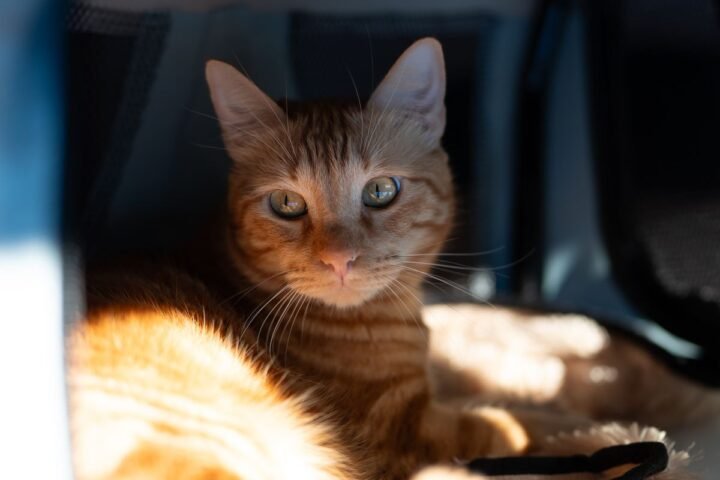
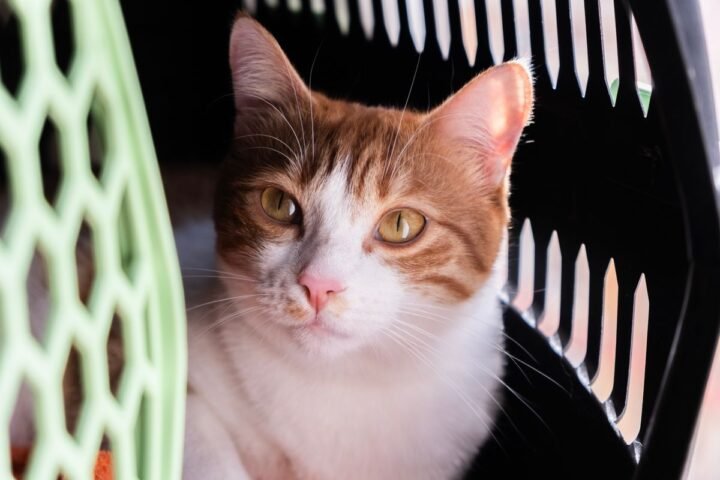
In games with detailed Palico customization, you can often approximate a real pet through coat color and facial features. That is cosmetic resemblance, not a selectable “Ragdoll” or “British Shorthair” breed.
Current Monster Hunter context
Monster Hunter Wilds remains part of Capcom’s active Monster Hunter lineup in 2026, but Palico-specific mechanics should be checked against the current game’s own menus and official update information rather than older Generations-era build tables.
Names and personality
If the appearance is already set and you mainly need a name, our funny Palico names guide is a better fit than inventing breed categories.
Why “Palico breed” is the wrong search term
Players often search for Palico breeds because Palicos look cat-like and can have different fur colors, patterns, ears and faces. In Monster Hunter terminology, however, a Palico is a Felyne companion. Appearance options are cosmetic customization, not a system of real-world cat breeds such as Siamese, Maine Coon or British Shorthair.
That distinction matters because search pages sometimes invent categories that do not exist in the game. A Palico that resembles a tuxedo cat is not officially a “tuxedo breed Palico.” It is a customized Felyne companion with that visual style.
Felyne and Palico are related but not identical terms
Felynes are the cat-like species found throughout Monster Hunter. “Palico” refers to Felynes serving as hunter companions. That means not every Felyne you see in the series is necessarily your Palico. Keeping those terms separate makes guides easier to follow and closer to Capcom’s own language.
Appearance customization is game-specific
The exact creation options vary by title. Depending on the game, players may choose fur color, patterns, eyes, ears, tail style, voice or other cosmetic details. A guide should therefore identify which Monster Hunter game it is discussing instead of presenting one universal character-creation menu.
Older manuals remain useful for understanding historical systems, but they should not be treated as proof that every mechanic appears unchanged in newer titles.
Support systems are not breeds either
In games with Palico support categories, the category describes gameplay function—not ancestry or appearance. A support-focused Palico might emphasize healing, gathering, traps, bombs or combat depending on the title. That role can change how the companion behaves during hunts, but it does not transform the Felyne into a different biological breed.
Monster Hunter Generations terminology
Capcom’s Monster Hunter Generations manual uses terms including Support Bias, Support Moves and skills for Palico systems. Those mechanics belong to that game’s design. They are useful historical references, but a current guide should not assume every later game uses exactly the same menus or labels.
Why old build guides can mislead new players
Monster Hunter has changed Palico systems across entries. A guide written for Generations, World, Rise or Wilds may discuss different equipment, support actions or customization. Search results sometimes merge those eras together because the word “Palico” is shared across them.
Before following a build, check the title and update version. Advice that is excellent for one game can be irrelevant in another.
Can a Palico resemble a real cat breed?
Yes, visually. A player can intentionally create a Palico with colors or markings reminiscent of a real cat. A gray round-faced design may remind someone of a British Shorthair; a pointed pattern may evoke a Siamese; a long-furred aesthetic in a game that supports it may remind players of a Persian or Maine Coon.
That resemblance is personal interpretation. Unless Capcom labels the option as a breed, it should not be presented as an official breed system.
Use appearance terms that match what players can see
Instead of writing “best Palico breeds,” clearer categories are coat color, markings, face shape, ear style, tail style, voice, armor appearance and support role. Those are the kinds of distinctions players can actually use while creating or evaluating a companion.
What actually affects gameplay?
Gameplay impact usually comes from the systems the specific title exposes: support actions, equipment, skills, gadgets, behavior or role. Cosmetic fur color does not make one Palico stronger than another unless a particular game explicitly links appearance to mechanics.
If a guide says a black Palico is better at combat or a white Palico heals more, ask for the in-game mechanic that supports that claim.
How to choose a Palico appearance
Start with the hunter’s visual theme, a real pet you want to recreate, a favorite color combination or a simple design that is easy to recognize during busy combat. Because the choice is cosmetic, personal preference matters more than optimization.
How to choose a Palico role
Role selection should start with the game you are actually playing and the kind of support you want during hunts. A solo player may value survivability or healing differently from someone focused on gathering or faster clears. Use game-specific information rather than a generic “best Palico” label.
Names can match appearance without becoming a fake breed
A striped Palico could be Tiger, Miso, Stripe or Tora; a black Palico might be Nox, Onyx or Shadow; a white one could be Mochi, Pearl or Frost. Our funny Palico names guide focuses on naming rather than inventing breed categories.
The practical bottom line
Palicos are Felyne companions, not selectable real-world cat breeds. Customize appearance however you like, then evaluate support mechanics using the correct game-specific system. That framing is clearer for players and more accurate than forcing fictional companions into real cat-breed labels.
Final terminology check
If a guide labels Palicos by real cat breed, verify that the game itself uses that category before treating it as official.
This article uses Capcom’s own terminology: Felyne, Palico, appearance customization and support systems. It does not map fictional companions onto real cat breeds as if those were official game mechanics.
0 comments