
Puppy Rescue Stories Online: How to Tell What Is Real and Help Responsibly
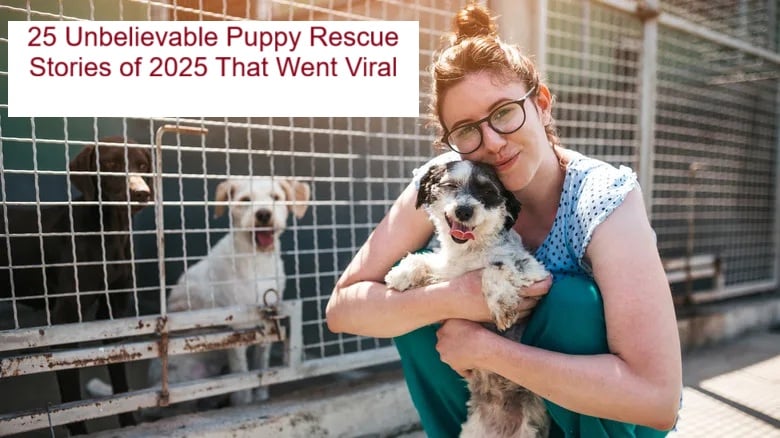
Rescue stories can inspire adoption and donations, but the most emotional post is not automatically the most trustworthy. In 2026 the FTC warned that scammers increasingly use stolen or AI-generated animal images and impersonate shelters or hospitals. Slow down before sharing money or personal information.

Five checks before you donate or adopt
- Identify the organization. Find its official website, physical location and independent contact details.
- Reverse-search the image. The same puppy photo appearing in unrelated campaigns is a warning sign.
- Call independently. Use a phone number found through the organization’s official site rather than only the social post.
- Inspect the payment request. Gift cards, cryptocurrency, wire transfers and urgent payment-app demands deserve skepticism.
- Look for outcome transparency. Real rescue work includes veterinary care, foster placement, adoption procedures and follow-up—not only dramatic intake footage.
Do not reward dangerous “rescue content”
Videos that appear staged, repeatedly place animals in danger, or focus on spectacle without identifying a legitimate organization should not be amplified simply because they are emotional.
Ways to help that do not depend on viral stories
- adopt or foster through a local shelter;
- volunteer for transport, cleaning or enrichment;
- donate through the organization’s verified website;
- support low-cost spay/neuter and veterinary programs;
- share confirmed adoptable animals from established shelters.



0 comments