
How to Build Confidence in a Rescue Dog Without Rushing Them
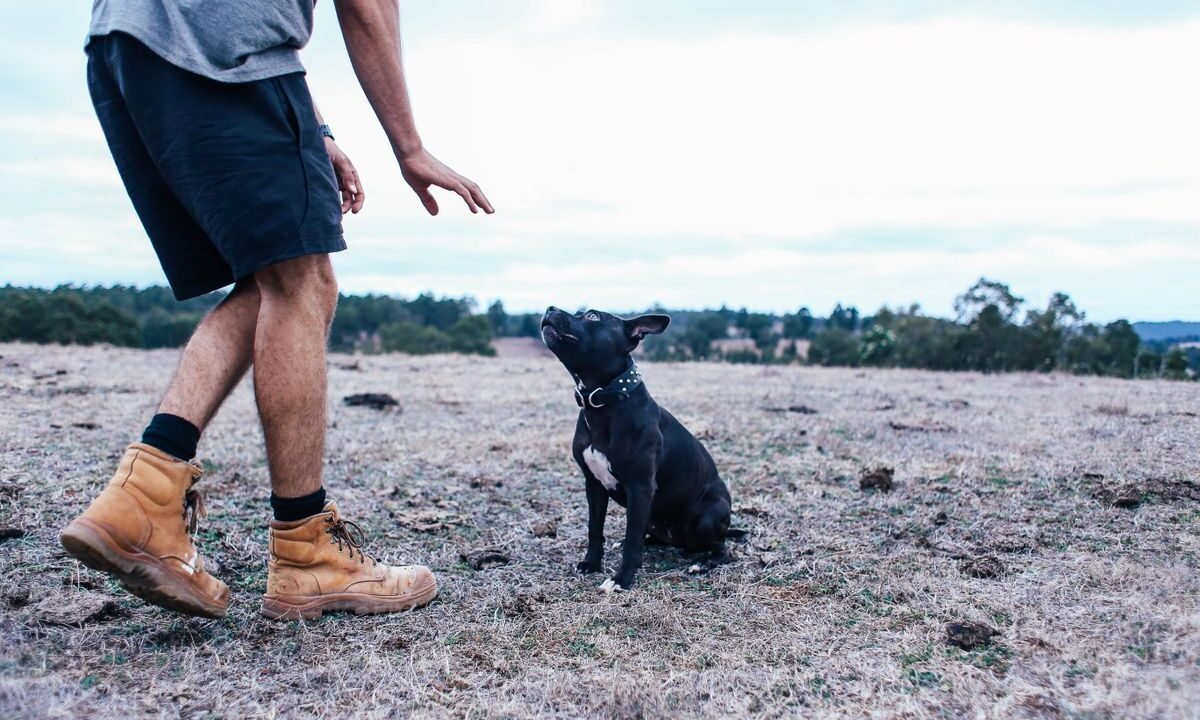
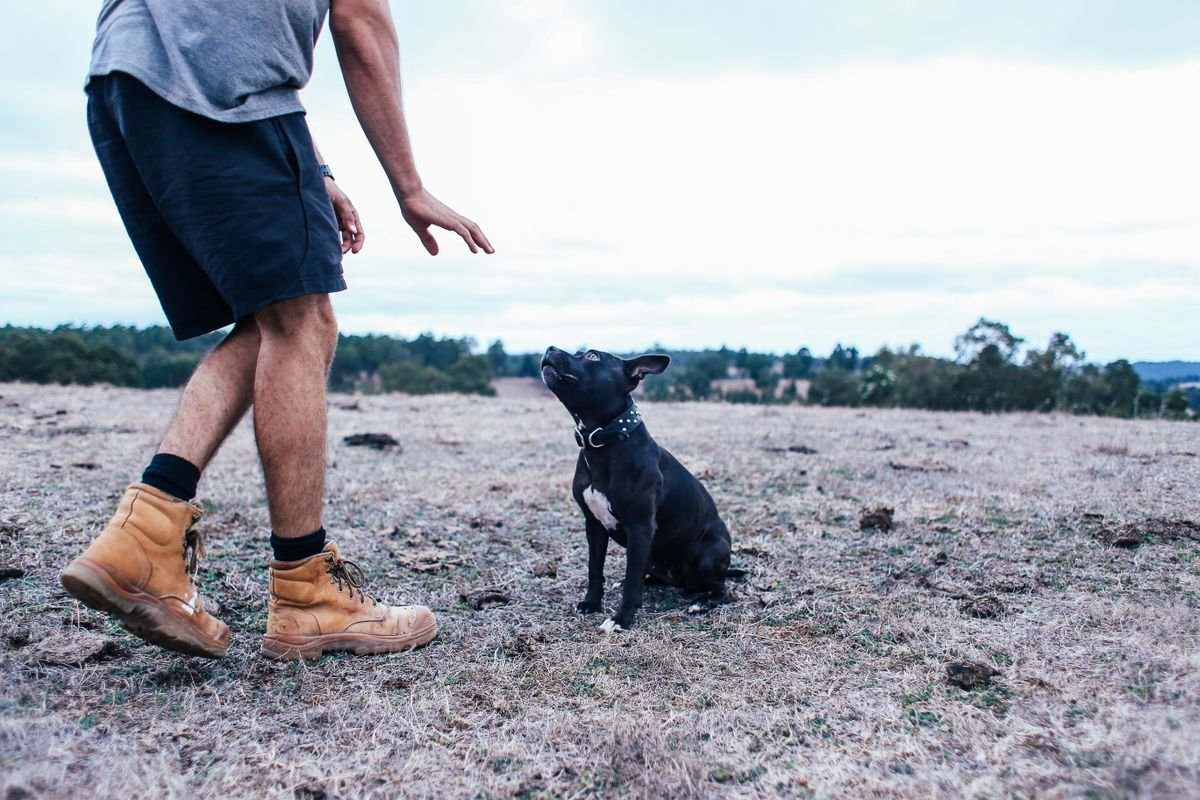
How to build confidence in a rescue dog starts with something less dramatic than training tricks: helping the dog learn that everyday life is predictable and that they can move away from things that worry them. Some rescue dogs settle quickly. Others need weeks or months before unfamiliar people, noises or places stop feeling risky.
Begin with a predictable routine
Feed, walk and settle the dog at roughly consistent times. Predictability reduces the number of surprises the dog has to process. That does not mean life must be rigid; it means the dog learns what usually happens next.
Give the dog a safe place nobody invades
A bed, crate or quiet corner can become a retreat where visitors and children leave the dog alone. Confidence grows more easily when the dog knows escape is possible and does not have to defend personal space.
Reward small brave choices
A nervous dog looking at a new object and then relaxing, taking one step toward a visitor or choosing to explore a room are useful moments to reward. You do not have to wait for a dramatic breakthrough.
Do not drag the dog toward what scares them
Forced exposure can make fear worse. The American Veterinary Society of Animal Behavior recommends reward-based methods and gradual exposure that keeps the dog feeling safe rather than flooding or aversive correction.
Use distance as a training tool
If a dog cannot take food, respond to you or disengage from a trigger, you may be too close. Increase distance until the dog can notice the person, sound or object without becoming overwhelmed. Confidence work happens below the panic point.
Let unfamiliar people ignore the dog at first
Direct staring, leaning over and reaching toward a nervous dog can feel threatening. Ask visitors to sit sideways, avoid eye contact and let the dog choose whether to approach. Tossing a treat away from the person can sometimes be more comfortable than asking the dog to come close for food.
Teach simple behaviors that give the dog something to do
A hand target, going to a mat or checking in with you can become useful alternatives when the environment feels uncertain. Keep training short and reward-based. Skills should help the dog feel successful, not become another source of pressure.
Build confidence at home before adding busy places
A rescue dog that is still nervous in the living room is unlikely to benefit from being taken straight to a crowded market. Start where the dog can cope, then add difficulty gradually.
Watch body language instead of waiting for a growl
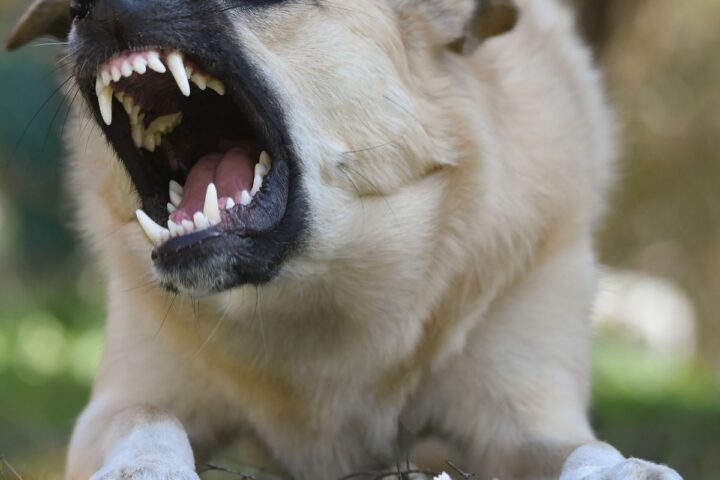
Freezing, leaning away, tucked posture, lip licking, repeated yawning or refusing food can all show discomfort. Our shy dog socialization guide explains why forcing interaction usually slows progress.
Pain can look like fear or irritability
If a dog becomes suddenly more withdrawn, startles when touched or shows new defensive behavior, arrange a veterinary check. Confidence training cannot fix pain.
Progress is rarely a straight line
A dog may handle something well on Tuesday and struggle with it on Thursday because sleep, noise, health or previous stress changed. Judge the overall trend rather than expecting every day to be better than the last.
Confidence grows when the dog keeps some control
The goal is not to make the rescue dog tolerate everything. It is to help them learn that unfamiliar situations can be safe, that good choices are rewarded and that they are allowed to move away when they need space.
0 comments