
Tips for Socializing a Shy Dog Without Forcing Interaction

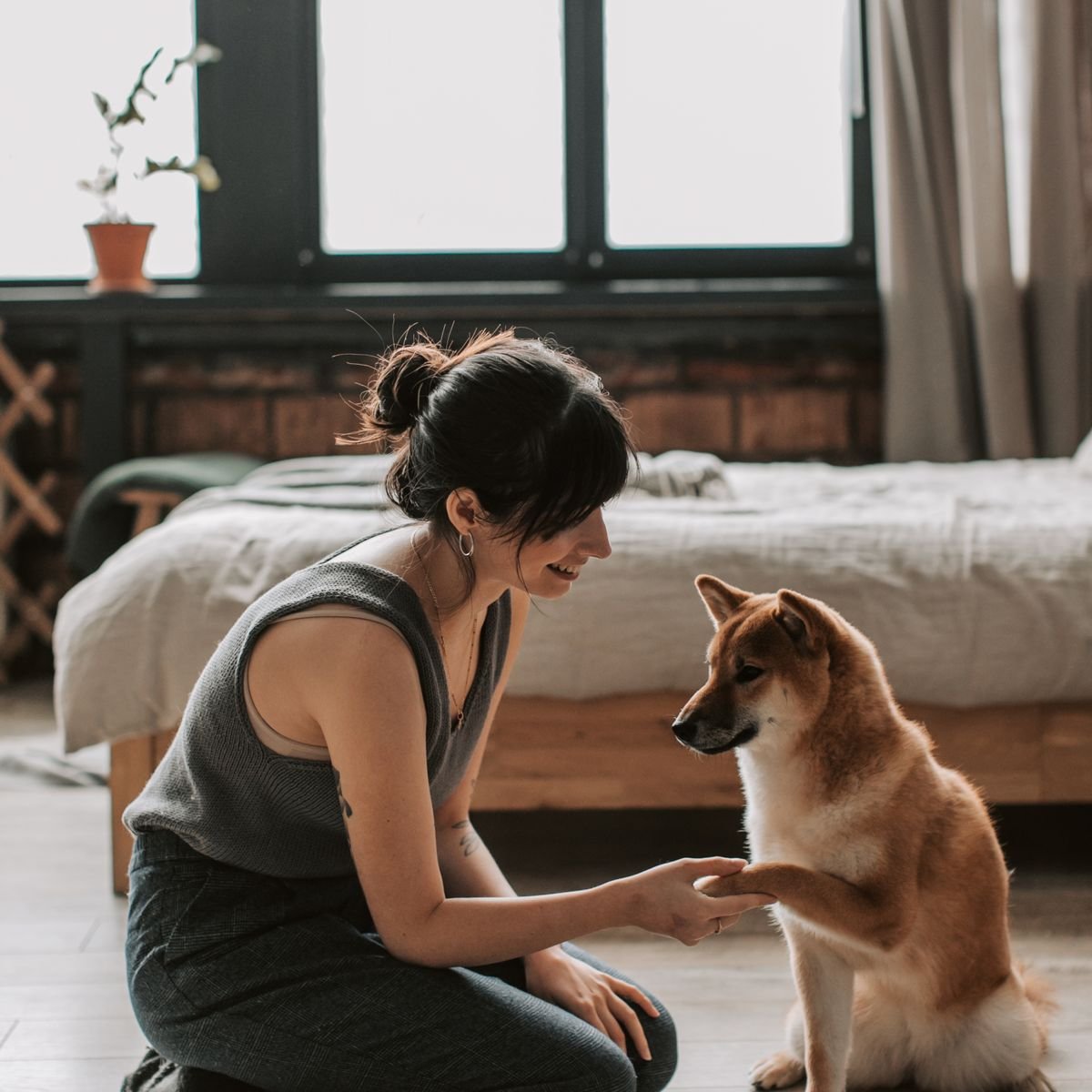
A shy dog does not become confident because more people touch them or because they are taken into increasingly busy places. Confidence grows when the dog can notice something new, remain under threshold, make choices and discover that nothing bad happens. If your dog is worried, the goal is not to make them social with everyone. The goal is to help them feel safer and function more comfortably.
Start with distance
Distance is one of the most useful tools when a dog is worried. If your dog can look at a person, dog or object and still take food, sniff the ground or respond to you, you are probably far enough away to begin. If they freeze, bark continuously, hide behind you or try to escape, increase the distance.
Let the dog choose whether to approach
Ask visitors to ignore the dog at first. No reaching, staring, leaning over or calling the dog repeatedly. A shy dog often becomes more curious when the social pressure disappears. If the dog chooses to come closer, the person can calmly toss a treat away from themselves so the dog can retreat again after collecting it.
Pair new experiences with something the dog likes
Food, sniffing, play and access to space can all be useful rewards. The American Veterinary Society of Animal Behavior’s humane training guidance supports reward-based methods for training and behavior modification rather than using fear, pain or physical punishment.
Do not lure the dog into a situation they cannot handle
Food can help create positive associations, but repeatedly using a treat to pull a frightened dog closer to a stranger can create conflict. Reward the dog where they already feel safe and let closeness happen gradually.
Use calm people before crowded places
One quiet visitor sitting sideways is usually easier than a room full of guests. A nearly empty park may be easier than a busy dog event. Build from simple situations to harder ones instead of trying to expose the dog to everything at once.
Socialization does not mean greeting every dog
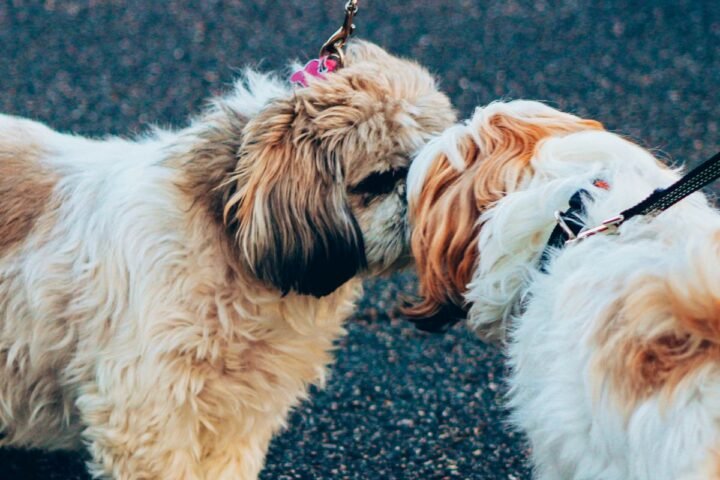
A shy dog can learn to pass other dogs calmly without ever playing with them. Parallel walks with a calm compatible dog can be easier than a direct face-to-face meeting. Keep enough space for both dogs to move naturally.
Teach predictable skills
Simple reward-based cues such as hand target, look at me, go to mat and let’s go can give a worried dog something familiar to do. Our guide to helping an anxious dog explains how predictable routines and management can lower overall stress.
Create a safe retreat at home
Give the dog a bed, crate or quiet area where people do not follow them. Visitors should understand that a dog who goes to the retreat is asking for space.
Watch the dog’s body language
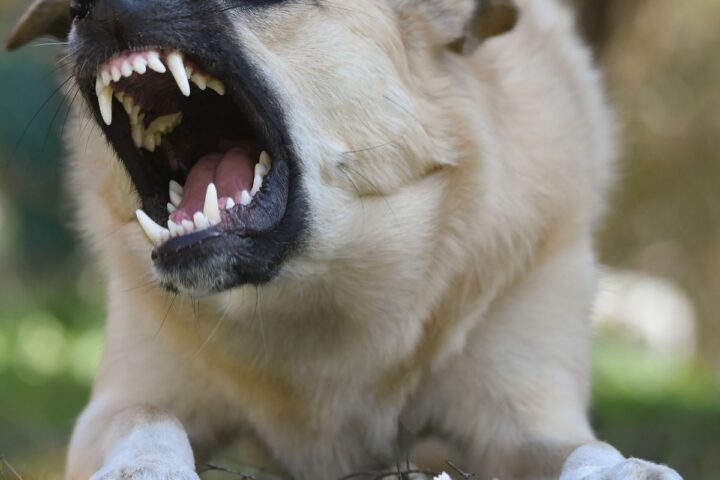
Lip licking, yawning, turning the head away, crouching, tucked tail, trembling, freezing and refusing food can all mean the situation is too difficult. A dog does not have to growl before you respect discomfort.
Avoid punishment for fearful reactions
Scolding barking or growling may suppress the warning without changing the fear underneath. AVSAB specifically recommends reward-based approaches and warns against aversive training methods because of welfare and behavior risks.
Measure progress by recovery, not popularity
A successful shy dog may never become the dog who greets every stranger. Progress can mean recovering faster after a noise, walking past people without hiding, choosing to investigate a visitor or being able to relax in a new place.
When professional help is worthwhile
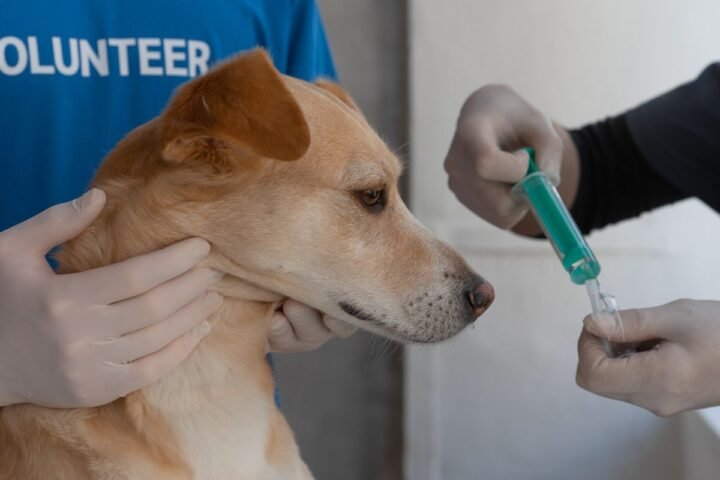
If fear interferes with normal walks, veterinary care, handling, eating, sleep or safety, ask your veterinarian about behavior support. Severe fear sometimes needs a structured behavior plan and, in selected cases, medical treatment alongside training.
Use predictable exits from difficult situations
Teach a simple cue such as “let’s go” that means the dog can move away with you. Practise it first in easy places, then use it when a stranger, dog or noisy situation becomes too much. Knowing there is a reliable way out can make new experiences feel safer.
Keep progress records simple
Write down what the dog could handle comfortably, how close the trigger was and how quickly they relaxed afterward. Small improvements are easier to see when you compare real situations instead of relying on memory.
Confidence grows when the dog keeps a choice
Socializing a shy dog means creating safe, manageable experiences and allowing choice. Work below the dog’s fear threshold, reward calm behavior and let confidence grow gradually instead of forcing contact.
0 comments