
Muzzle Training a Dog Positively: When It Helps and How to Condition One
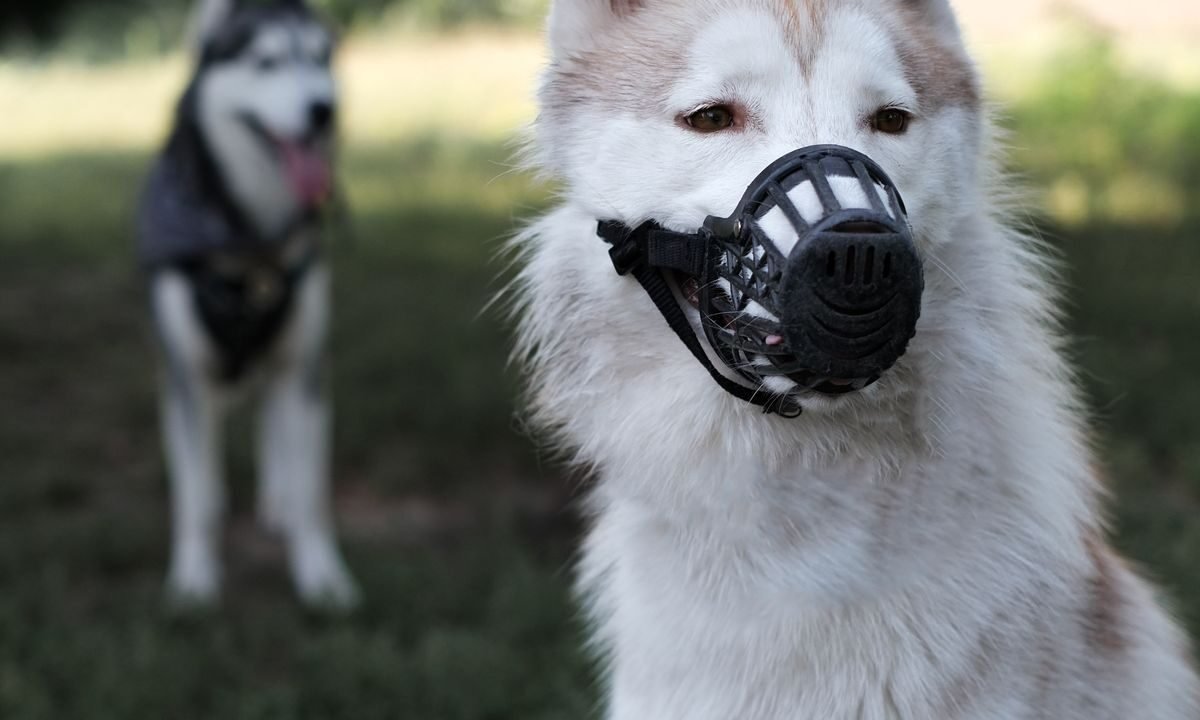
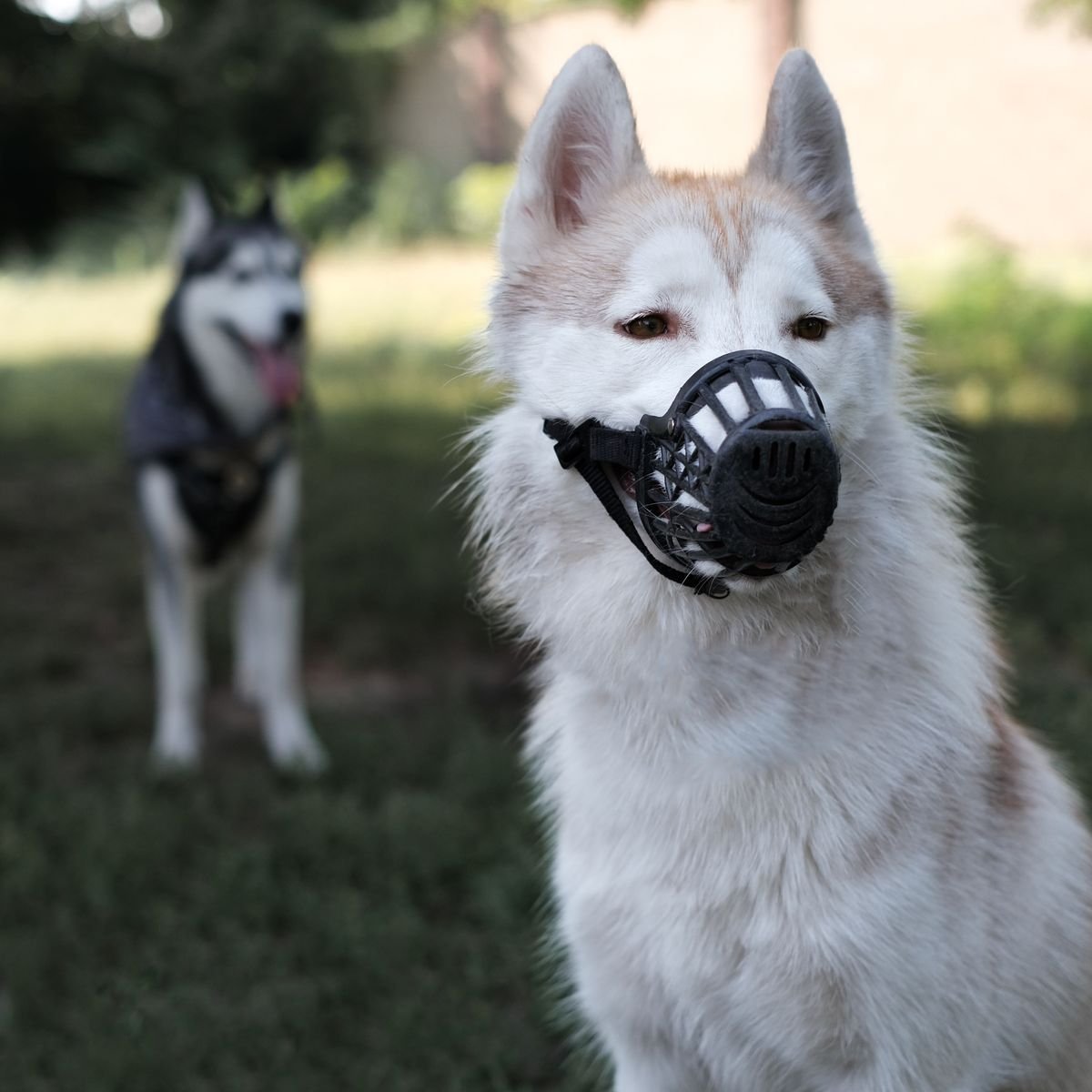
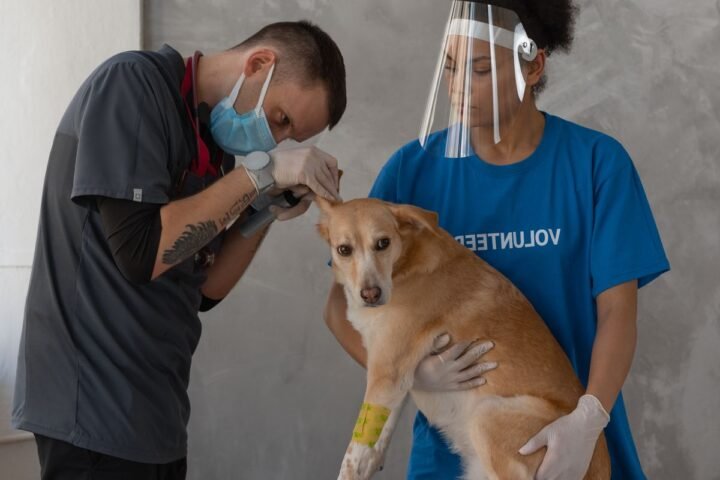
A muzzle is not a punishment and it does not automatically mean a dog is aggressive. Muzzles can help during veterinary treatment, emergency handling, grooming, recovery from injury, scavenging management, or situations where an extra layer of safety is sensible.
The important part is how the muzzle fits and how the dog learns to wear it. Forcing a muzzle onto a frightened dog can create more fear. Positive conditioning teaches the dog to put their nose into it voluntarily.
Choose a muzzle that allows normal panting
For routine wear, a basket-style muzzle is usually preferable because the dog can pant, drink, and often take treats through it. Dogs Trust recommends choosing a muzzle that lets the dog pant, drink, and eat while fitting securely without obstructing vision or digging into the face.
A tight fabric muzzle is not for walks
Muzzles that hold the mouth almost completely closed may be used briefly in some veterinary procedures, but they are not appropriate for exercise or prolonged wear because dogs need to pant to regulate body temperature.
Step 1: let the muzzle predict rewards
Place the muzzle on the floor and scatter treats nearby. Do not push it toward your dog. Allow sniffing and investigation at the dog’s pace.
Step 2: reward voluntary nose entry
Hold the muzzle still and place a treat or soft food near the opening. Gradually position rewards farther inside so the dog chooses to put more of the nose into the basket.
Do not fasten the straps yet.
Step 3: build duration
When your dog happily puts the nose inside, feed several small rewards through the muzzle so they remain in place for a few seconds. Gradually increase duration over multiple sessions.
Step 4: introduce the strap separately
Touch or lift the strap briefly, reward, and release. Later, fasten it for one second, reward, and remove it. Build up slowly so fastening does not suddenly turn a positive exercise into restraint.
Step 5: add movement
Once your dog is relaxed wearing the muzzle indoors, practice a few steps, then short calm walks. Continue rewarding comfortable behavior.
When a muzzle can help
- Veterinary care for a painful or frightened dog
- Known bite risk in a managed situation
- Dogs that scavenge dangerous objects
- Some grooming or handling procedures
- Legal requirements in certain locations
- Emergency preparedness
A muzzle does not fix fear or aggression
A muzzle is a safety tool, not behavior therapy. Dogs Trust notes that wearing one does not change how a dog feels about a trigger. If your dog is fearful, reactive, or aggressive, continue managing distance and seek qualified professional help rather than using the muzzle to force closer exposure.
Never leave a muzzled dog unsupervised
Check fit regularly, especially if the dog is growing, losing weight, or wearing the muzzle for longer periods. Watch for rubbing around the nose, cheeks, and straps.
Keep the skill fresh
Practice muzzle games occasionally even when you do not need the muzzle. That helps prevent it from becoming a predictor that something unpleasant is about to happen.
How to check basket-muzzle fit
A good basket muzzle should allow the dog to open the mouth enough to pant normally, take treats, and drink. It should not press into the eyes, rub the nose, or slide off with normal movement. The straps should be secure without cutting into the skin.
Fit matters even more in hot weather because panting is essential for cooling.
Build a positive association before you need it
Keep some muzzle sessions completely unrelated to vet visits or stressful events. Put it on for a few seconds, feed treats, remove it, and continue with a normal pleasant activity. This prevents the muzzle from becoming a reliable predictor of something scary.
When professional help is sensible
If your dog has a bite history, severe handling fear, resource guarding, or intense reactivity, muzzle training should be only one part of a broader safety and behavior plan. A qualified reward-based professional can help you manage risk while changing the dog’s emotional response to triggers.
What a muzzle cannot do
A muzzle does not make unsafe interactions safe, does not justify forcing a fearful dog into crowded spaces, and does not replace supervision. It is a backup layer, not permission to ignore the reason the dog may bite or scavenge.
The bottom line
A well-fitted basket muzzle introduced with rewards can be a humane, practical safety tool. The best time to teach the skill is before an emergency, when you can move slowly and let your dog choose to participate.
0 comments