
Recall Training for Dogs: Building a Reliable Come Command Safely
A reliable recall can be one of the most important safety skills a dog learns. It can help you move your dog away from traffic, wildlife, an open gate, dropped food, or an uncomfortable interaction. But recall is difficult because the dog is often being asked to leave something interesting and return to something familiar.
The solution is not to repeat “come” louder. It is to build a history where responding quickly is consistently worth it.
Choose a cue you can protect
Use a short word such as “come,” “here,” or another cue your household can say consistently. Do not use it casually when you have no way to follow through.
If an old recall word has been ignored hundreds of times, starting fresh with a new cue can sometimes make training easier.
Begin at very short distance
Start indoors or in a fenced area. Say the cue once, move backward, and reward generously when your dog reaches you. At first, success should be easy.
Use food, play, praise, or whatever your dog values most. A fast recall should feel like a small celebration.
Reward the arrival, not just the turn
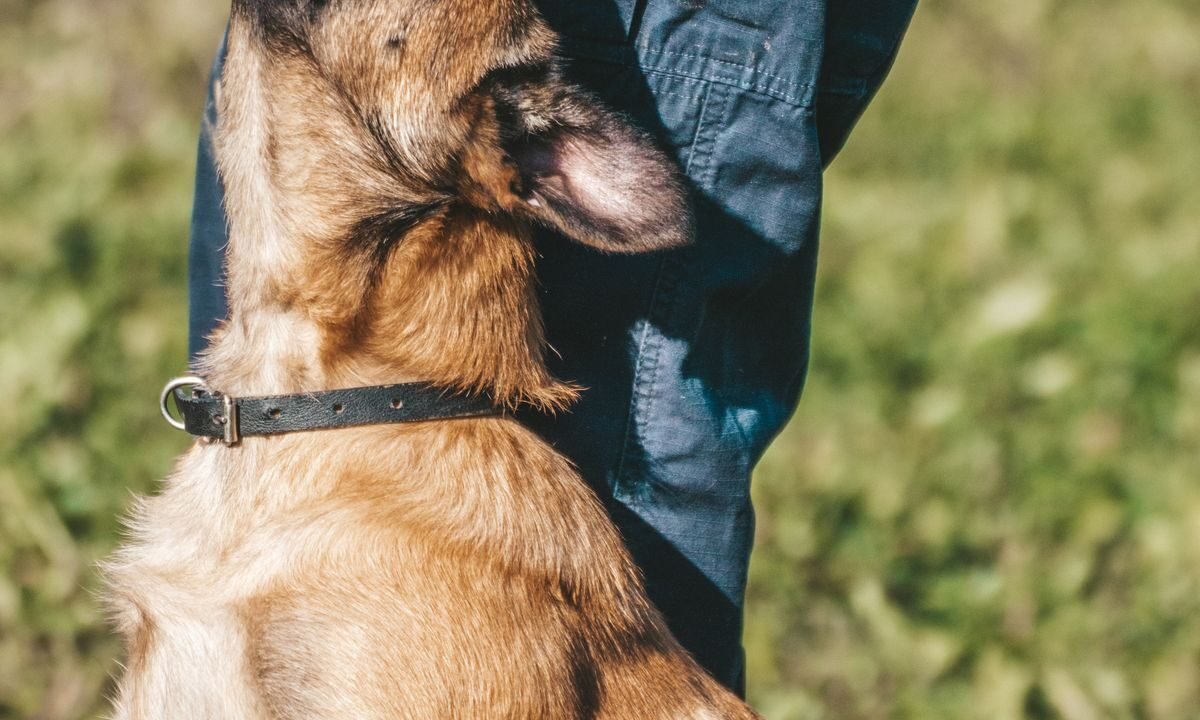
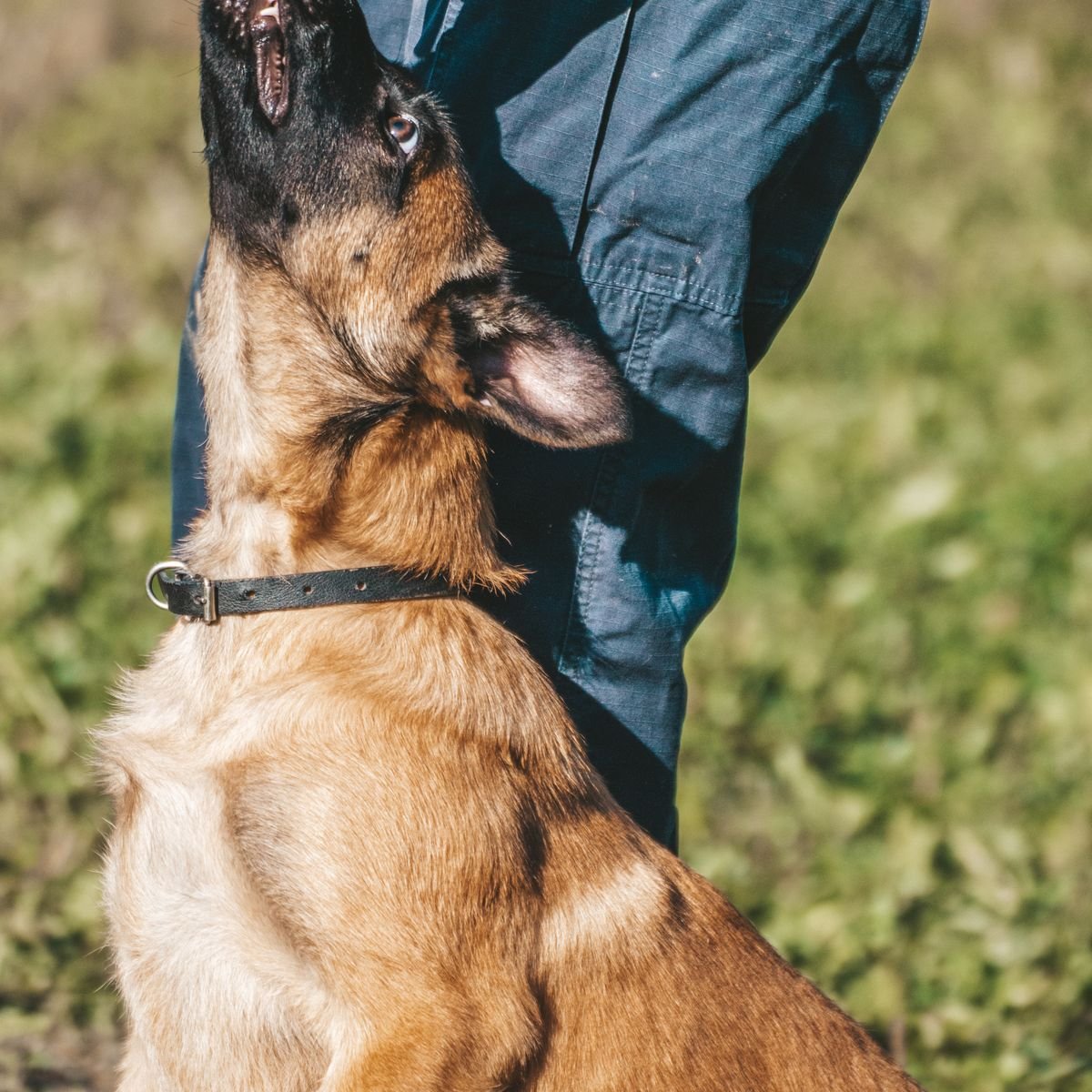
Many dogs turn toward the owner and then get distracted halfway back. Reward when the dog actually reaches you. Gently touching the collar before giving the treat can also teach the dog that arriving close enough to be safely held is part of the behavior.
Never punish a dog for coming back
Even if your dog took a long time, scolding after they return can weaken recall. From the dog’s perspective, coming to you predicted something unpleasant.
AVSAB recommends reward-based methods for training. Their current guidance can be found in the AVSAB position statements.
Use a long line before testing freedom
A long line gives a dog room to explore while preventing a complete escape during training. Attach it to a well-fitted harness rather than relying on a collar for sudden stops.
Practice in open, safe areas away from traffic. Do not wrap the line around your hand or allow it to tangle around people or dogs.
Increase one difficulty at a time
Distance, distraction, and duration all make recall harder. Increase only one at a time. A dog that can recall from 20 meters in an empty field may not be ready to do the same thing near another dog.
Make yourself worth choosing
Run a few steps away, crouch, clap lightly, or use an excited voice if that helps your dog engage. Avoid chasing the dog, which can turn the situation into a game of keep-away.
Do not make recall always end the fun
Call your dog, reward, and sometimes release them back to sniff or play. If recall always means the park ends, the leash goes on, or something unpleasant happens, the cue can lose value.
Emergency recall can be a separate cue
Some owners teach a special emergency word or whistle that is paired with exceptionally valuable rewards and used rarely. The idea is to create a cue with an especially strong reinforcement history.
When not to let a dog off leash
No recall is perfect. Keep your dog on leash or long line near traffic, livestock, wildlife, unfenced areas, or anywhere local rules require it. Dogs with strong prey drive may need management even after extensive training.
Build recall into everyday training
Short recall games at home, during walks, and around gradually increasing distractions are more useful than one long training session. Our positive reinforcement guide covers the same reward-based foundation.
Practice recalls you do not actually need
Call your dog when you are already confident they will succeed, reward, then let them go back to what they were doing. These easy repetitions build the reinforcement history that supports recall during harder moments.
Proof the cue around real-life distractions
Train around gradually more interesting smells, people at a distance, toys, food on the ground, and eventually other dogs if your dog can stay under control. Use a long line so mistakes do not become successful run-offs.
Do not jump directly from living-room recalls to an off-leash field beside wildlife. Reliability is context-specific and must be built.
What if your dog ignores the cue?
Avoid repeating the word many times. Move closer, reduce the distraction, use the long line to prevent escape, and set up an easier repetition. If the dog repeatedly fails, the training level is too difficult.
Recall is not a substitute for management
Even well-trained dogs can make mistakes. Secure fencing, leashes, long lines, gates, identification tags, and microchips remain important. Recall should add safety, not replace physical safeguards where a mistake could be dangerous.
The bottom line
A strong recall is built through many successful repetitions, high-value rewards, careful use of long lines, and realistic management. The more often coming to you leads to something good, the more likely your dog is to choose you when it matters.
0 comments