
Dog Anal Gland Problems: Scooting, Odor, Impaction and When to See a Vet
If your dog suddenly starts scooting across the floor, licking under the tail, or producing a strong fishy odor, anal gland trouble is one possible explanation. Dogs have two small anal sacs beside the anus that normally release small amounts of scent material during bowel movements.
When those sacs do not empty properly, they can become impacted, inflamed, infected, or abscessed. The important point is that scooting is a symptom, not a diagnosis.
What are anal glands?
Anal glands, more accurately called anal sacs, sit just inside the anus. They contain strong-smelling fluid. In many dogs, normal stool pressure helps empty a small amount of this material naturally during defecation.
Common signs of anal gland trouble
The Merck Veterinary Manual lists scooting, licking or biting at the anal area, painful defecation, and straining among common signs.
- Scooting the rear end along the floor
- Licking or chewing around the anus or tail base
- A sudden strong fishy smell
- Pain when sitting
- Straining or discomfort during bowel movements
- Swelling beside the anus
- Redness, blood, pus, or a draining wound near the anus
Impaction vs infection vs abscess
Impaction means the sac is overly full and the material has become difficult to empty. Inflammation or infection can develop when retained material and bacteria irritate the sac. An abscess is a painful pocket of infection that may swell and eventually rupture through the skin.
Once there is marked pain, swelling, blood, pus, or a wound, this is no longer a simple grooming issue.
Does every scooting dog have full anal glands?
No. Scooting can also occur with skin irritation, parasites, allergies, stool stuck to the coat, perianal disease, or other discomfort. A veterinarian can examine the area and determine whether the anal sacs are actually involved.
Should owners routinely express anal glands?
Most healthy dogs do not need their anal sacs manually emptied on a routine schedule. Unnecessary or rough expression can irritate tissues. If your dog repeatedly develops impaction, ask your veterinarian whether there is an underlying reason rather than simply increasing the frequency of expression.
Why do some dogs have recurring problems?
Some small dogs appear more prone to anal sac impaction. Obesity, poor muscle tone, stool quality, skin disease, and individual anatomy may also play a role. Dogs with recurrent problems may need a broader review of weight, diet, allergies, bowel movements, and skin health.
When to see the vet
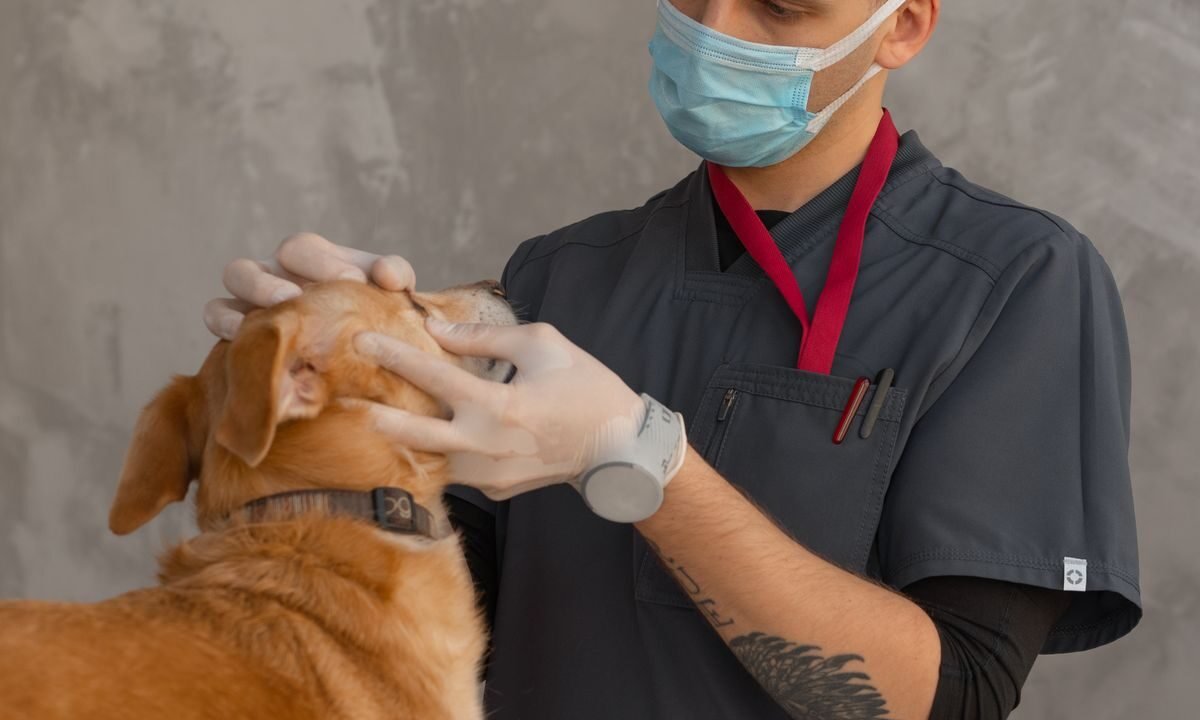
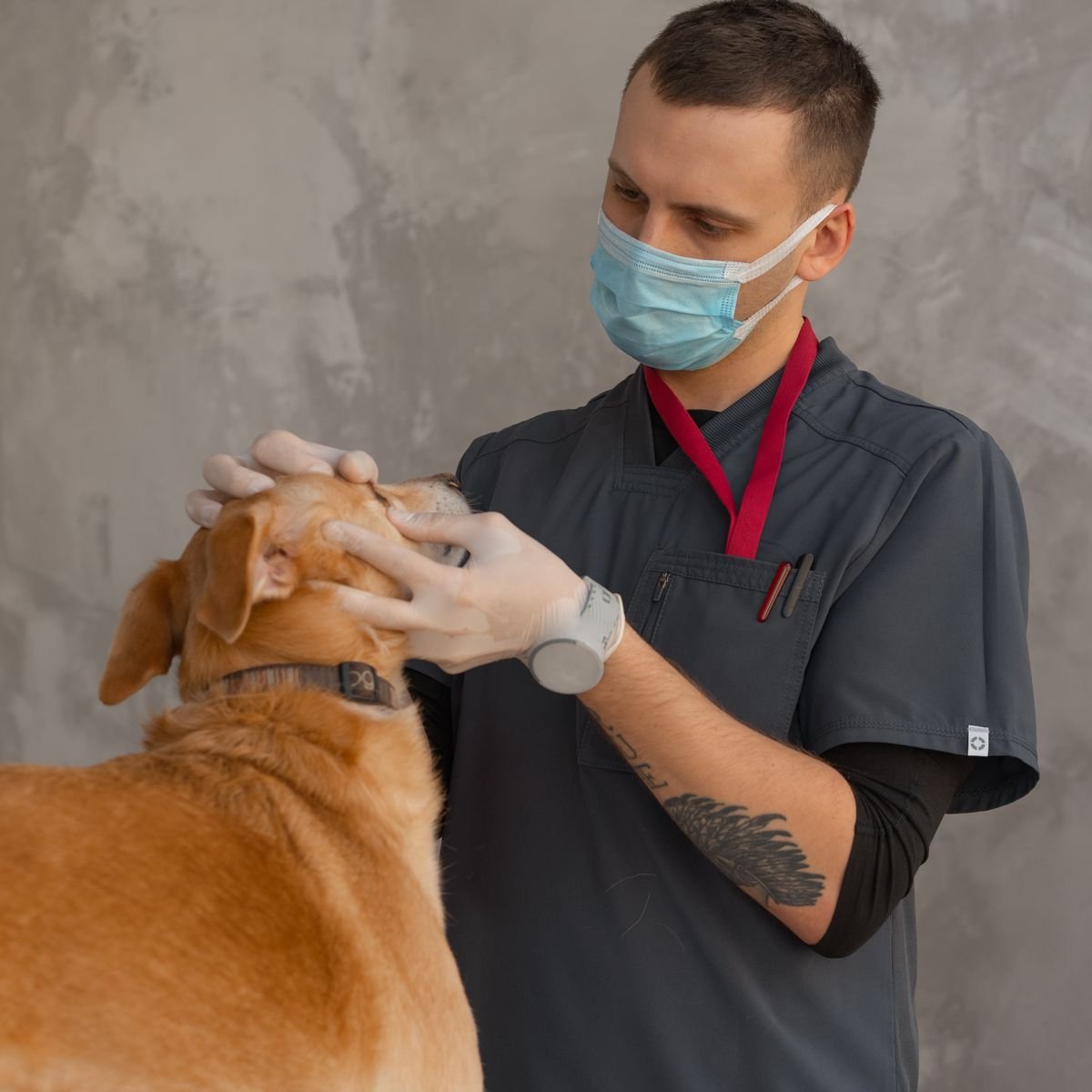
Book a veterinary examination if scooting persists, your dog seems painful, the area is swollen, there is blood or pus, or the problem keeps returning. Severe pain, a rapidly enlarging swelling, fever, lethargy, or a ruptured abscess should be addressed promptly.
How anal gland problems are treated
Treatment depends on the problem. A veterinarian may gently empty an impacted sac, flush infected material, prescribe medication when indicated, or treat an abscess. Recurrent severe disease may occasionally require surgery.
Do not squeeze a painful swelling at home. An abscess can rupture, and manipulating an inflamed area may cause more pain or tissue damage.
Can diet or fiber help?
In some dogs, improving stool bulk may help the sacs empty naturally. Merck notes that supplemental fiber can sometimes be recommended for this reason. That does not mean every dog with scooting needs a high-fiber diet. Too much fiber can create other digestive problems, so discuss recurring cases with your veterinarian.
Keep the area clean without overdoing it
Good general hygiene helps you notice swelling, redness, discharge, or coat contamination early. Our dog hygiene guide covers routine coat, skin, paw, ear, nail, and rear-end care without turning normal grooming into unnecessary treatment.
Recurring anal gland trouble deserves a broader look
If your dog needs frequent expression, ask why. Stool consistency, excess body weight, skin or allergy disease, anatomy, and chronic inflammation may all contribute. Treating only the full sacs can miss the factor that keeps the problem returning.
What a groomer can and cannot do
Some groomers offer external anal-sac expression, but pain, swelling, blood, pus, repeated impaction, or a firm nonexpressible sac should be assessed by a veterinarian. These signs may indicate infection, abscess, or another disease that grooming cannot diagnose.
Do not ignore a firm lump in an older dog
Anal sac tumors are much less common than impaction, but Merck notes that firm, enlarged sacs—especially those that cannot be expressed normally—may require further investigation. Persistent swelling or a new perianal mass should not be treated as routine gland fullness.
Scooting has several possible causes
Anal sac problems are common, but worms, skin irritation, allergies, diarrhea, perianal hair contamination and other conditions can also make a dog drag the rear. If expression does not solve the problem or signs return quickly, the cause deserves a broader examination.
Pain changes the urgency
A dog that cries, resists sitting, guards the rear end or suddenly refuses tail handling may have more than simple fullness. Infection or abscess can become very painful and should be assessed promptly.
Watch the skin beside the anus
A red or purple swelling, open draining tract, blood or pus can indicate an abscess or ruptured sac. Keep the area clean and prevent licking while arranging veterinary care; do not squeeze the swelling.
Repeated routine expression is not automatically preventive
Some dogs never need manual expression. Repeatedly emptying normal sacs without a reason can irritate tissue. If your dog seems to need frequent expression, ask why rather than simply scheduling it indefinitely.
Body condition can be part of the picture
Overweight dogs may have more difficulty emptying sacs normally. If recurrent anal gland trouble is happening alongside excess weight, discuss a realistic weight-management plan with your veterinarian.
Keep stool changes in the history
Loose stool may reduce the normal pressure that helps empty anal sacs. Record whether episodes follow diarrhea, diet changes or allergy flares because that pattern can help the veterinarian identify contributing factors.
Do not assume every episode needs expression
If a dog scoots once and then stops, monitor for other signs rather than immediately squeezing the glands. Repeated expression without a clear reason can irritate tissue and may delay recognition of skin, parasite or allergy problems.
Allergy disease can be part of recurrent cases
Dogs with itchy skin, ear infections or paw licking sometimes also develop recurring anal sac inflammation. Mention the full skin history to the veterinarian rather than treating the rear-end problem in isolation.
Stool quality is worth tracking
Firm, normally formed stool may help natural emptying, while recurrent soft stool can reduce that pressure. A short stool diary can reveal whether flare-ups follow digestive upset.
Keep a recurrence log
If episodes repeat, note stool quality, diet changes, allergy flares, grooming dates and whether expression was needed. Patterns can help the veterinarian decide whether there is an underlying digestive, skin or anatomical issue.
Persistent licking or sudden reluctance to sit is also worth reporting.
The bottom line
Scooting and fishy odor are useful clues, but they do not tell you whether the problem is impaction, infection, allergy, parasites, or something else. Persistent discomfort, swelling, blood, pus, or repeated episodes deserve a veterinary examination rather than repeated home expression.
This article is for general pet-owner education and is not a substitute for diagnosis or treatment by a veterinarian.


0 comments