
Large Companion Dogs: How to Choose a Breed That Fits Your Household
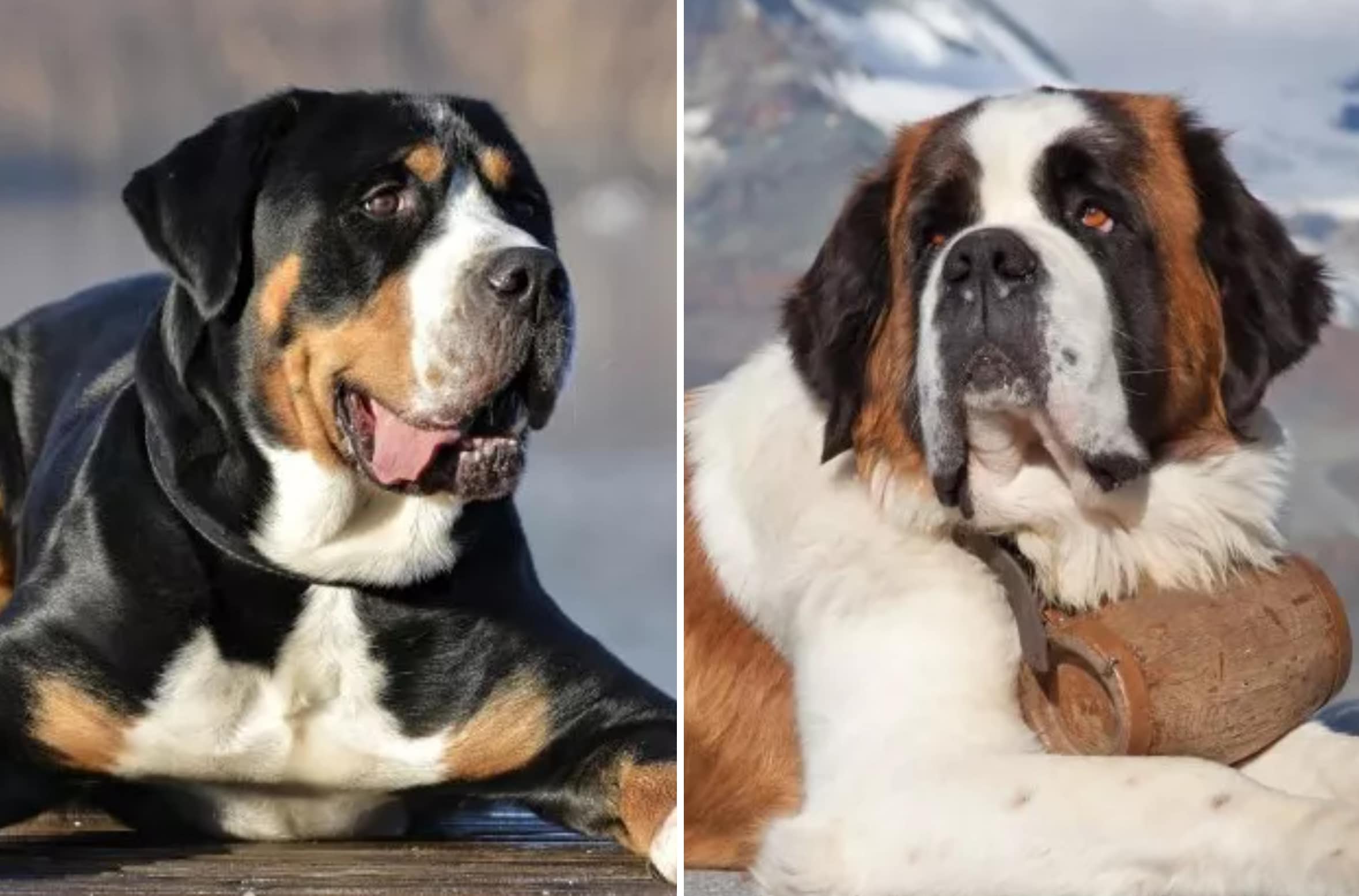
There is no single “best” large companion dog for every family. A Great Dane, Newfoundland, Greyhound, Labrador Retriever and Bernese Mountain Dog can all be affectionate companions, yet their daily care and health considerations are very different.
Start with the practical questions
Swipe horizontally to view the full table.
| Consider | Why it matters |
|---|---|
| Adult size | Transport, housing, equipment and medication costs rise with body size. |
| Exercise | Some giant breeds are moderate; others need substantial daily activity. |
| Grooming | Coat care and shedding range from minimal to intensive. |
| Drooling | Common in some mastiff-type and giant breeds. |
| Health | Orthopedic, cardiac and bloat risks differ by breed. |
| Training | A 100-pound adolescent needs reliable household manners. |
Examples, not rankings
Great Dane: very large, often people-oriented, with important giant-breed health considerations.
Newfoundland: heavy-coated and powerful; grooming, heat management and space matter.
Greyhound: tall but comparatively light and often less exercise-demanding indoors than people expect.
Labrador Retriever: social and trainable, but typically active and prone to weight gain when overfed.
Bernese Mountain Dog: large, social and cold-weather adapted, with breed-specific health concerns prospective owners should research.
Children and other pets
Breed reputation cannot guarantee behavior. Large dogs can accidentally knock over a child even during friendly play. Meet individual dogs, supervise interactions and consider prior history with children or other animals.
Budget honestly
Food, boarding, crates, beds, veterinary procedures and medications often cost more for larger dogs. Our pet ownership budgeting guide can help you plan beyond the adoption or purchase fee.
0 comments