
Dogs for Hiking: Traits to Look For and Breeds to Research
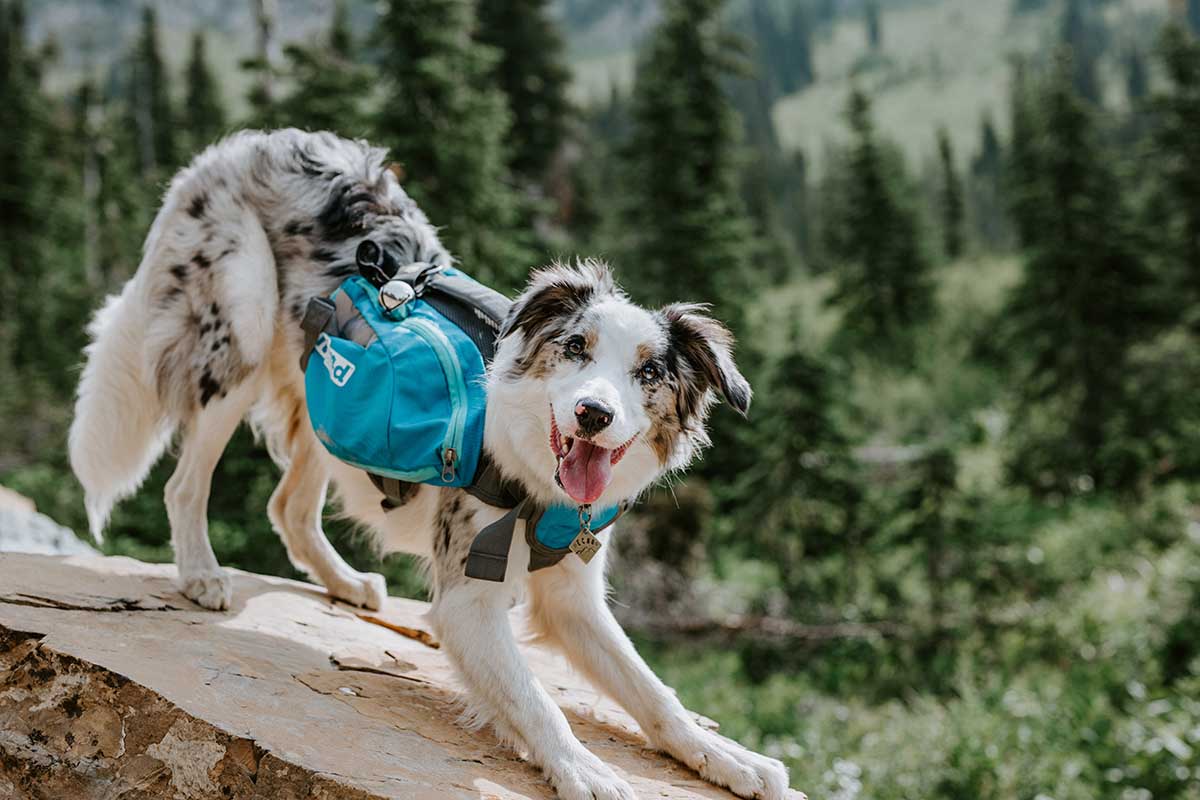
The best hiking partner is not simply the breed with the highest energy. A trail dog needs sound health, progressive conditioning, reliable handling skills and a route suited to its body and experience.
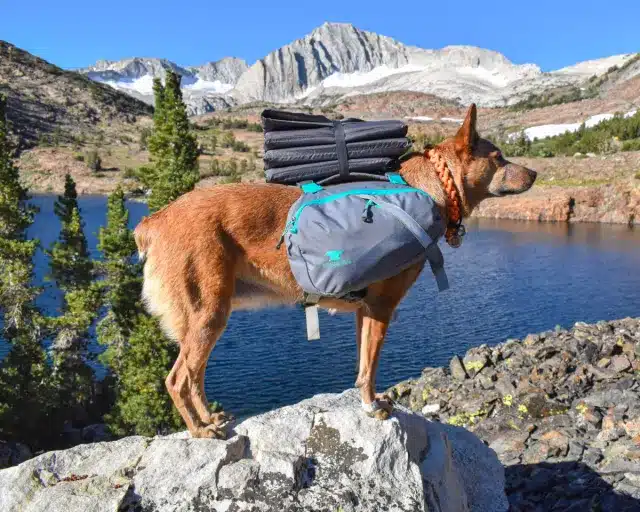
Traits that matter on a trail
- comfortable walking for sustained periods;
- good recovery after exercise;
- manageable prey drive and recall;
- ability to settle around other trail users;
- coat and body type appropriate for the climate;
- healthy feet and joints;
- willingness to drink and rest when needed.
Breeds often considered for active homes
Australian Shepherds, Labrador Retrievers, German Shorthaired Pointers, Border Collies, Vizslas and some northern breeds are commonly associated with endurance or outdoor work. That does not make every individual suitable for every trail. Brachycephalic dogs, growing puppies, seniors and dogs with orthopedic or cardiac disease may need substantial limits.
Condition the dog gradually
Increase distance and elevation over weeks, not in one ambitious weekend. Paw pads, muscles and cardiovascular fitness all need time to adapt.
Trail kit
- water and a collapsible bowl;
- leash or long line where allowed;
- identification;
- waste bags;
- basic first-aid supplies;
- weather-appropriate gear;
- tick-removal tool where ticks are common.
Heat can end a hike early
Dogs do not cool as efficiently as people. High temperature, humidity, direct sun and strenuous climbing can increase heat risk. Turn around early if the dog is lagging, seeking shade repeatedly, panting excessively or showing poor coordination.
Wildlife and water
Keep dogs from chasing wildlife and do not assume natural water is safe to drink. Follow local leash rules. Our outdoor dog safety guide covers these hazards in more detail.
0 comments