
Belgian Malinois Health: Screening, Common Concerns and Warning Signs
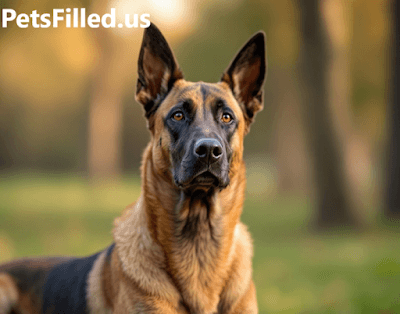
Belgian Malinois are often selected for demanding work because they can be athletic and physically resilient, but “working breed” does not mean medically problem-free. Good health planning starts with breed-specific screening, routine preventive care and taking subtle changes in performance seriously.
Hip and elbow dysplasia
The American Belgian Malinois Club identifies hip and elbow dysplasia among known inherited concerns. Responsible breeding programs use orthopedic screening rather than assuming a young, athletic dog must have normal joints.
Eye screening
The club also recommends eye examination for breeding stock. Eye disease can be inherited even when a dog’s vision appears normal in everyday life.
Epilepsy and seizure history
The ABMC notes epilepsy within the breed. Because seizures can appear after a dog reaches adulthood, a normal puppy exam cannot rule out every future neurologic problem. Breeders should be willing to discuss seizure history in related dogs.
Health testing is not a guarantee
The OFA CHIC program explains an important distinction: completing recommended screening documents that tests were performed and made available; it does not guarantee a dog will never develop disease.
Working and sport injuries
Malinois involved in jumping, bite sports, detection work or repetitive high-speed exercise can develop soft-tissue, paw, shoulder or spinal injuries like other athletic dogs. Sudden performance decline, reluctance to jump or altered gait should not be dismissed as stubbornness.
Dental trauma
Hard-object chewing and some working activities can fracture teeth. Broken teeth may remain painful even if the dog continues eating. Avoid extremely hard chew items and inspect the mouth when behavior around toys or food changes.
Heat and exertion
High-drive dogs may continue working despite fatigue. Panting that does not recover, weakness, disorientation, vomiting or collapse during exercise warrants urgent cooling and veterinary assessment.
Body condition matters
Keeping an athletic dog lean can reduce unnecessary orthopedic load, but lean should not become underweight. Monitor muscle condition as well as body fat.
What puppy buyers should request
The ABMC’s breeder guidance asks for passing hip evaluations, normal elbow results and current eye certification for breeding dogs. Ask to see verifiable records rather than only hearing that “the parents are healthy.”
Routine veterinary care
Preventive visits should cover vaccination, parasite control, dental health, weight, mobility and any changes in behavior or performance. Our preventive veterinary care guide explains why baseline examinations matter.
For feeding and workload, see our Malinois nutrition guide.


0 comments